
Troubleshooting Common Hajj Problems: Your Guide to a Safe Pilgrimage
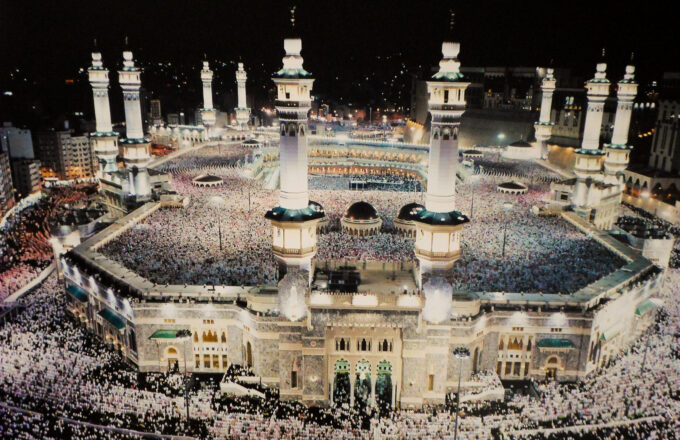
Quick answer: The most common Hajj problems include severe heatstroke, respiratory infections, and navigational difficulties in dense crowds. Pilgrims can troubleshoot these challenges by maintaining strict hydration routines with electrolytes, wearing protective masks, utilizing offline GPS tracking apps, and hiring verified proxy Hajj services for loved ones who are physically incapacitated.
Millions of Muslims travel to Mecca each year to fulfill one of the core pillars of Islam, but this profound spiritual journey requires immense physical and mental stamina to overcome the rigorous logistical and environmental demands. Acknowledging the common issues faced by pilgrims does not diminish the sacredness of the experience; rather, proactive troubleshooting ensures a safer, more focused worship environment. This guide provides actionable solutions for pre-departure preparation, health management, crowd navigation, and ritual-specific challenges so you can protect your well-being and maintain spiritual tranquility.
How can pilgrims prepare for Hajj before departing?
Why is physical conditioning and mental preparedness crucial?
The pilgrimage requires walking several kilometers daily under extreme environmental conditions. Cardiovascular fitness directly impacts a pilgrim’s ability to complete rituals safely. Medical professionals recommend that pilgrims begin a strict walking regimen at least three months before departure, gradually increasing the distance to five or ten kilometers per day. You must also prepare mentally for inevitable delays, congested transport, and fatigue. The Holy Quran explicitly commands believers to rely on spiritual fortitude during such taxing moments.
Allah says:
“O believers! Seek comfort in patience and prayer. Allah is truly with those who are patient.” (Quran 2:153).
How do you learn the Manasik al-Hajj (rituals) properly?
Lack of ritual knowledge leads to anxiety and technical errors during the pilgrimage. Troubleshooting this problem requires detailed study of the Manasik al-Hajj long before boarding a flight. Pilgrims should attend local seminars hosted by verified Islamic scholars to understand the step-by-step requirements of Hajj al-Tamattu, Hajj al-Qiran, or Hajj al-Ifrad. Carrying a pocket-sized guidebook or downloading reliable Islamic mobile applications ensures you have access to essential supplications and procedural checklists while on the move.
What essential documents and logistics do you need?
Administrative oversights cause severe delays at Saudi immigration checkpoints. Pilgrims must secure a valid passport with at least six months of remaining validity, the official Hajj visa, and mandatory vaccination certificates (such as the quadrivalent meningococcal vaccine). Store physical copies of these documents in a secure, waterproof travel pouch. Save digital backups on a secure cloud server and a local mobile device. Coordinate your accommodation and transportation exclusively through government-approved channels to avoid being stranded upon arrival.
How can you avoid Hajj package scams in 2026 and 2027?
Fraudulent travel operators frequently target vulnerable pilgrims with fake visa promises and non-existent hotel bookings. To troubleshoot this risk, the Saudi Ministry of Hajj and Umrah mandates that all international pilgrims book their packages directly through the official Nusuk platform. Avoid any third-party agency requesting direct cash transfers or bypassing the Nusuk system. Verify all provider credentials through your national government’s foreign travel advisory boards.
What are the most common issues during Hajj and how can you solve them?
How can pilgrims prevent heatstroke and respiratory infections?
Extreme weather conditions present the most significant physical threat to modern pilgrims. According to PreventionWeb (2024), more than 1,300 pilgrims died during the 2024 Hajj season when extreme heat and humidity surpassed survivable limits. Troubleshooting heatstroke involves drinking oral rehydration salts (ORS) daily, utilizing a reflective sun umbrella, and strictly avoiding direct sunlight during peak afternoon hours. Respiratory infections spread rapidly in dense crowds. Mitigate this risk by wearing high-quality N95 face masks in crowded areas, practicing rigorous hand hygiene, and avoiding shared drinking vessels. For blister prevention, apply petroleum jelly to high-friction areas of your feet and wear thoroughly broken-in, comfortable sandals.
What are the best strategies for crowd management and navigation?
Navigating crowds of over two million people often results in separated family members and lost individuals. Establish a strict buddy system before leaving your hotel room. Choose highly visible, permanent landmarks (like specific colored pillars or numbered gates) as emergency meeting points. Because cellular networks often overload during peak ritual times, download offline maps of Mecca and Mina to your smartphone. Share your live GPS location with family members back home when the network is functional.
How should you handle shared accommodation and food safety?
Mina tent accommodations are heavily congested, requiring immense patience and compromise among tent-mates. Bring earplugs and an eye mask to secure adequate sleep in noisy environments. Food safety requires equal vigilance, as gastrointestinal issues rapidly deplete a pilgrim’s energy. Consume meals exclusively from officially sanctioned catering providers. Avoid purchasing exposed food from unlicensed street vendors. If you have dietary restrictions, pack non-perishable, energy-dense snacks like dates, protein bars, and mixed nuts to sustain yourself between reliable meals.
How can you overcome communication barriers and cultural differences?
Mecca hosts a globally diverse population, which occasionally leads to miscommunication or accidental breaches of etiquette. Troubleshooting communication barriers involves downloading real-time translation applications that function completely offline. Learn basic Arabic phrases related to medical emergencies, directions, and bathroom facilities. Respect local customs by maintaining appropriate personal space where possible, dressing modestly according to Ihram guidelines, and demonstrating grace when interacting with overwhelmed security personnel.
How can you manage emotional strain and maintain patience?
Physical exhaustion frequently triggers emotional outbursts or profound anxiety. Managing this strain requires constant spiritual grounding. When disputes arise over seating on a bus or space in a tent, remember the prophetic wisdom regarding behavior during the pilgrimage. The Prophet Muhammad (PBUH) stated: “Whoever performs Hajj for Allah’s pleasure and does not have sexual relations with his wife, and does not do evil or sins then he will return (after Hajj free from all sins) as if he were born anew.” (Sahih al-Bukhari 1521). Shift your focus away from logistical frustrations and channel your energy into continuous Dhikr (remembrance of Allah).
How do you troubleshoot specific Hajj rituals safely?
How can you navigate Tawaf and Sa’i safely in heavy congestion?
Performing Tawaf (circumambulation of the Kaaba) during peak hours poses severe crush risks. To navigate this safely, schedule your Tawaf for off-peak times, such as the late hours of the night or immediately after sunrise. If the ground floor (Mataf) is dangerously crowded, move to the upper floors or the roof of the Masjid al-Haram. While the circumference is larger and takes longer to walk, the reduced density significantly lowers the risk of physical injury and allows for deeper spiritual focus. Apply the same timing strategy to Sa’i (walking between Safa and Marwa), and utilize the designated wheelchair lanes only if medically necessary.
What are the solutions for limited facilities at Arafat and Muzdalifah?
The Day of Arafat represents the climax of Hajj, but the open plains offer minimal shade and limited restroom facilities. Hydrate strategically to balance your physical health with the reality of long restroom lines. Bring a portable, lightweight prayer mat and a reusable water bottle. At Muzdalifah, pilgrims sleep under the open sky to collect pebbles for the Jamarat. Troubleshooting the rocky terrain involves bringing a compact inflatable sleeping pad and a lightweight sleeping bag. Collect slightly more than the required 70 pebbles to account for any dropped during the subsequent days.
How do you safely perform Rami (Stoning of the Jamarat)?
The Jamarat ritual historically posed severe stampede risks before the Saudi government expanded the bridge infrastructure. However, crowd surges still occur. Protect yourself by strictly adhering to the timing schedules provided by your Hajj group leaders. Avoid performing Rami during the highly congested window immediately after Zawal (midday) on the first day. Keep your belongings minimal, never bend down to pick up a dropped item in the crowd, and walk with the flow of the masses rather than pushing against them.
How do Hajj Badal services solve sacrifice and proxy pilgrimage challenges?
The physical demands of Hajj exclude many elderly individuals or those with permanent chronic illnesses. Islamic jurisprudence provides a solution through proxy pilgrimage (Hajj Badal). According to Sahih Bukhari 1852, the Prophet Muhammad (PBUH) confirmed the validity of performing Hajj on behalf of a deceased or permanently incapacitated relative. Troubleshooting this requirement means finding a completely trustworthy proxy to fulfill this sacred duty (Amanah) on behalf of your loved one.
For those seeking a highly personalized and verified proxy, the Your Hajj Badal service offers a direct, one-on-one solution. Managed by a 32-year-old Muslim professional and University of Rajshahi graduate who completed his Fard Hajj in 2025, this service explicitly rejects the mass-booking agency model. The provider accepts only one Hajj Badal slot per year, ensuring singular focus and absolute sincerity.
The total cost is $5,750 (requiring a $250 initial deposit and a $5,500 final balance), which covers the Hajj al-Tamattu performance and the mandatory Qurbani (sacrifice). Uniquely, the provider personally guarantees to cover the cost of any “Dam” (penalty sacrifice) required due to unintentional ritual errors. Furthermore, the provider shares his verified 2025 Hajj visa and personal ID privately to establish trust, provides journey updates via live video and location sharing where possible, and includes a bonus voluntary Umrah for the intended recipient. Choose this personalized proxy option if spiritual accountability and direct communication matter more than budget-tier agency pricing.
How do you maintain spiritual growth after returning from Hajj?
Returning to normal daily life often triggers a phenomenon known as “post-Hajj blues,” where pilgrims feel a sharp decline in their spiritual high. Troubleshooting this emotional drop requires integrating small, sustainable habits from your Hajj experience into your daily routine. Maintain the discipline of praying Tahajjud (night prayers) even once a week. Preserve the spirit of Hajj by actively volunteering in your local community, financially supporting those in need, and consciously avoiding the sins you repented for on the plains of Arafat. Keep the bonds you formed with your fellow pilgrims alive, as these relationships provide a crucial support network for maintaining your renewed Islamic identity.
Why do Hajj challenges ultimately make the pilgrimage more rewarding?
Every logistical hurdle, physical ache, and test of patience during Hajj serves as a mechanism for spiritual purification. The pilgrimage is deliberately designed to strip away worldly comforts, forcing believers to recognize their absolute dependence on Allah. By proactively troubleshooting common issues—from hydrating against heatstroke to utilizing verified Hajj Badal services for incapacitated relatives—you remove unnecessary distractions. This preparation empowers you to embrace the core hardships of the journey with grace, transforming a physically taxing trip into a profoundly life-altering spiritual rebirth.
Frequently asked questions about troubleshooting Hajj
What is the most effective way to prevent heatstroke during Hajj?
The most effective prevention is avoiding direct sunlight between 10:00 AM and 4:00 PM. Drink water mixed with oral rehydration salts (ORS) constantly, use a UV-reflective umbrella, and rest in air-conditioned tents whenever you begin to feel dizzy or nauseous.
How can I avoid losing my group in the crowds?
Always establish a highly specific physical meeting point (e.g., “Green Pillar 42”) before entering crowded areas like the Mataf. Share your live location on WhatsApp, wear brightly colored identifying wristbands provided by your group, and move together at the pace of the slowest member.
What are the Islamic rules for hiring a Hajj Badal proxy?
The appointed proxy must be a sane, adult Muslim who has already completed their own obligatory (Fard) Hajj. They can only perform the pilgrimage for one deceased or permanently incapacitated individual per Hajj season, and they must make a clear intention (Niyyah) for that specific person.
How do I verify a Hajj package provider is legitimate?
Always cross-reference the provider with the official Saudi Nusuk platform. Legitimate providers will never ask for payment via untraceable wire transfers or cryptocurrency, and they will explicitly detail your visa, flight, and accommodation status within the official Saudi digital infrastructure.