
Complete Hajj Badal Educational Hub: Understanding Shariah Compliant Proxy Hajj Services for Learners
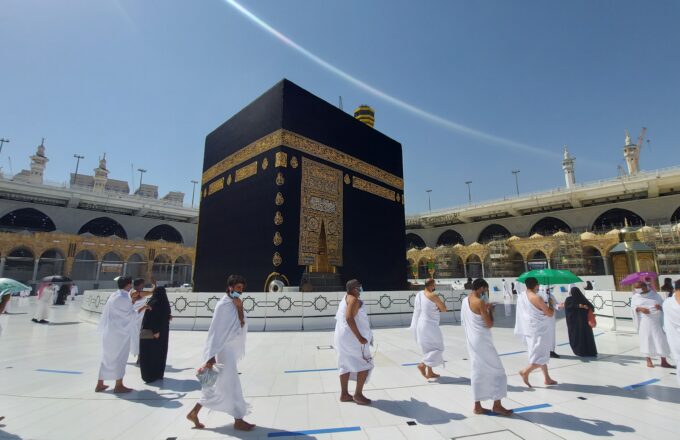
The concept of Hajj Badal, or proxy Hajj, offers a unique opportunity for Muslims who are unable to perform the pilgrimage themselves due to various reasons. This educational hub aims to provide comprehensive insights into Shariah-compliant proxy Hajj services, ensuring that learners understand the significance, processes, and rituals involved. Many individuals face challenges that prevent them from undertaking the physical journey to Mecca, and Hajj Badal serves as a viable solution, allowing them to fulfill their religious obligations through a trusted proxy. This article will explore the overview of Hajj Badal services, the fundamental rituals involved, eligibility criteria, and the step-by-step process for booking these services through Your Hajj Badal.
Hajj Badal (Proxy Hajj) Services: Overview
Hajj Badal refers to the practice of performing the Hajj pilgrimage on behalf of someone else, typically due to the latter’s inability to undertake the journey themselves. This service holds significant importance in Islamic practice, as it allows individuals to fulfill their religious duties even when they cannot physically attend. Engaging with Hajj Badal services involves understanding the process, the significance of the rituals, and the eligibility criteria for proxies.
The historical precedent for such proxy or ‘distant’ religious observances is well-established within Islamic jurisprudence, challenging the notion that all rituals must be tied to physical presence.
Distant Islamic Rituals: Historical Roots & Non-Physical Performance
If you made up your mind that the Islamic rituals are inextricably linked to bodily movements and physical space, this thesis aims to challenge and persuade you otherwise. It is conceivable that one may perceive Islamic rituals devoid of corporeal actions or spatial attributes as a relatively recent innovation introduced by contemporary Muslim intellectuals, possibly catalyzed by the exigencies imposed by the Covid-19 pandemic. This study, however, will astound you by providing evidence that this idea of distant rituals can be traced back to the 9th century, when early Muslim jurists conceptualized several Islamic rituals without reliance on physicality or spatiality, such as the “Heart Prayer” and “Ship Prayer”.
Online Islamic Rituals: Their Structure and Impacts on Muslim Communities, 2023
Process for Engaging with Hajj Badal Services:
Engaging with Hajj Badal services involves several key steps to ensure a smooth and compliant experience.
- Initial Consultation: Begin with a consultation to discuss the specific needs and requirements for the proxy pilgrimage.
- Registration and Payment: A registration fee of $250 is required to initiate the process, followed by a final payment of approximately $5,000.
- Communication and Updates: Throughout the Hajj period, regular updates will be provided to the client regarding the progress and completion of the pilgrimage.
Your Hajj Badal is dedicated to facilitating this process, ensuring that all aspects are handled with care and adherence to Shariah principles.
Key Considerations:
When considering Hajj Badal services, several important factors must be taken into account.
- Trustworthiness of the Proxy: It is crucial to select a reliable and trustworthy proxy who understands the significance of the rituals.
- Compliance with Legal Requirements: Ensure that all legal and religious requirements are met to validate the proxy pilgrimage.
- Communication Expectations: Establish clear communication channels to receive updates and confirmations throughout the process.
What Are the Fundamental Hajj Rituals Explained for Proxy Pilgrimage?
The fundamental rituals of Hajj are essential components of the pilgrimage, even when performed by a proxy. These rituals include:
- Niyyah (Intention): The proxy must have the correct intention to perform Hajj on behalf of the individual.
- Ihram: The state of spiritual purity and the specific garments worn during Hajj.
- Tawaf: The act of circling the Kaaba, which is a central ritual in Hajj.
Understanding these rituals is vital for ensuring that the proxy pilgrimage is conducted in accordance with Islamic teachings.
Which Key Hajj Rituals Must Be Performed in Hajj Badal?
During Hajj Badal, several key rituals must be performed to ensure the pilgrimage is valid. These include:
- Standing at Arafat: This is considered the pinnacle of Hajj, where the proxy must spend the day in prayer and reflection.
- Muzdalifah: Collecting pebbles for the stoning of the devil, which is a significant ritual.
- Ramy al-Jamarat: The act of throwing stones at the pillars representing Satan.
Each of these rituals plays a crucial role in fulfilling the spiritual obligations of Hajj.
How Do Rituals Differ When Performed by a Proxy?
The performance of rituals by a proxy differs in several ways compared to a personal pilgrimage.
- Intention Differences: The proxy must explicitly state their intention to perform Hajj on behalf of another person.
- Performance Sequence: While the sequence of rituals remains the same, the proxy must ensure that they adhere strictly to the prescribed order.
- Documentation and Confirmation: Proxies must maintain proper documentation to confirm the completion of each ritual, ensuring transparency and accountability.
How Does the Proxy Hajj Service Operate Within Shariah Compliance?
The operation of proxy Hajj services is grounded in Shariah compliance, which involves several key principles:
- Intention Requirements: The proxy must have a sincere intention to perform Hajj on behalf of the individual.
- Eligibility of the Proxy: Only those who have completed their own Hajj can act as proxies, ensuring they understand the significance of the rituals.
- Compliance with Regulations: All actions taken during the pilgrimage must align with Islamic law to ensure the validity of the proxy Hajj.
Who Is Eligible to Perform Hajj Badal as an Authorized Proxy?
Eligibility to perform Hajj Badal as a proxy is determined by specific criteria:
- Prior Completion of Hajj: The proxy must have completed their own Hajj pilgrimage.
- Character and Trustworthiness: Proxies should be individuals of good character, trusted by the person they represent.
- Single Representation Rule: A proxy can only represent one individual during a single Hajj season.
These criteria ensure that the proxy is capable of fulfilling the spiritual obligations of the pilgrimage.
What Are the Religious Guidelines Ensuring Shariah Compliant Hajj Badal?
Religious guidelines for ensuring compliance in Hajj Badal include:
- Intention (Niyyah): The proxy must have a clear intention to perform Hajj on behalf of the individual.
- Compliance with Rituals: All rituals must be performed according to Islamic teachings to ensure validity.
- Legal Permissions: Necessary permissions must be obtained to perform Hajj on behalf of another person.
These guidelines are essential for maintaining the integrity of the proxy pilgrimage.
What Is the Step-by-Step Hajj Badal Process for Booking and Execution?
The process for booking and executing Hajj Badal involves several steps:
- Initial Consultation: Discuss the requirements and expectations for the proxy pilgrimage.
- Payment Timelines: A registration fee of $250 is required, followed by a final payment of approximately $5,000.
- Documentation Required: Ensure all necessary documentation is prepared for the proxy to perform the pilgrimage.
This structured approach helps streamline the booking process and ensures compliance with all requirements.
How to Book a Shariah Compliant Proxy Hajj Service Through Your Hajj Badal?
Booking a Shariah-compliant proxy Hajj service through Your Hajj Badal involves the following steps:
- Initial Contact Methods: Reach out via email or phone to initiate the booking process.
- Payment Methods: Various payment options are available to facilitate the registration and final payments.
- Service Offerings: Your Hajj Badal provides comprehensive services to ensure a smooth proxy pilgrimage experience.
This process is designed to make the booking experience as seamless as possible for clients.
What Verification and Documentation Are Required for Proxy Pilgrimage?
Verification and documentation for proxy pilgrimage include:
- Initial Verification Steps: Confirm the identity and intentions of both the proxy and the individual being represented.
- Required Documentation: Necessary documents must be submitted to validate the proxy’s authority to perform Hajj.
- Final Confirmation: Ensure all documentation is in order before the pilgrimage begins.
These steps are crucial for maintaining the integrity of the proxy Hajj process.
Where Can Learners Find Comprehensive Guidance and Support for Hajj Pilgrimage?
Learners seeking guidance and support for Hajj pilgrimage can access various resources, including:
- Contact Information: Reach out to Your Hajj Badal for personalized assistance.
- Educational Resources: Comprehensive guides and materials are available to help individuals understand the Hajj process.
- Community Support: Engage with community groups for shared experiences and advice regarding Hajj.
These resources provide valuable support for those preparing for the pilgrimage.
What Educational Resources Explain Hajj Pilgrimage and Proxy Worship?
Educational resources available for understanding Hajj and proxy worship include:
- Comprehensive Guides: Detailed materials that outline the rituals and significance of Hajj.
- Definitions and Significance: Resources that explain the importance of proxy worship in Islam.
- Legal Perspectives: Information on the legal aspects of Hajj Badal and its compliance with Shariah.
These resources are essential for anyone looking to deepen their understanding of Hajj and proxy worship.
How Does Your Hajj Badal Ensure Privacy, Security, and Amanah in Service?
Your Hajj Badal prioritizes privacy, security, and amanah (trust) in its services by implementing several measures:
- Data Collection and Usage: Personal information is collected only as necessary and handled with confidentiality.
- Secure Payment Processing: All transactions are conducted through secure channels to protect client information.
- Transparency and Communication: Clients are kept informed throughout the process, ensuring trust and reliability.
These measures are designed to provide clients with peace of mind when engaging with Hajj Badal services.