
Pregnancy and Hajj: When Is Hajj Badal Recommended?
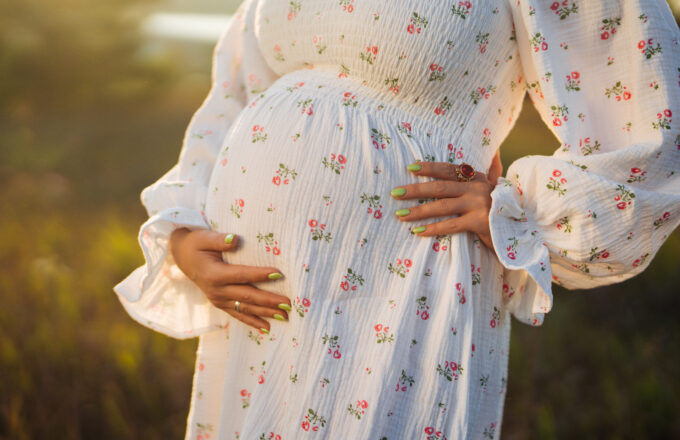
Quick answer: A pregnant woman is permitted to perform Hajj, but she can delay the pilgrimage if medical complications pose a severe risk to her or the unborn child. Under the pregnant Hajj Badal ruling, an expectant mother cannot appoint a proxy simply because of pregnancy, as it is a temporary condition. Hajj Badal is only valid if her inability to perform the pilgrimage becomes a permanent physical incapacity or results in death.
Navigating the profound spiritual obligation of the Islamic pilgrimage while expecting a child raises complex questions about religious duty, maternal health, and theological exceptions. The physical demands of traversing Mecca alongside millions of pilgrims can overwhelm even the healthiest individuals, prompting many families to explore proxy alternatives for vulnerable loved ones. Understanding the pregnant Hajj Badal ruling requires a careful examination of Islamic jurisprudence, the clear distinction between temporary and permanent incapacity, and the strict conditions under which a proxy can fulfill this sacred pillar of Islam on an expectant mother’s behalf.
What are the Islamic rulings on Hajj for pregnant women?
Fulfilling the fifth pillar of Islam is a mandatory requirement for all adult Muslims who possess the physical and financial means to undertake the journey. This concept of capability is known as Istita’ah.
Are pregnant women permitted to perform Hajj?
Islamic law permits pregnant women to perform Hajj. Pregnancy itself does not nullify a woman’s religious obligations. If an expectant mother is in good health, has clearance from her medical provider, and possesses the financial means, her pilgrimage remains entirely valid. Many women successfully complete the rites of Hajj while pregnant, modifying their pace and utilizing wheelchairs during the physically demanding Tawaf (circumambulation of the Kaaba) and Sa’i (walking between Safa and Marwa).
What are the health risks for expectant mothers during Hajj?
The pilgrimage involves walking long distances in extreme heat, navigating massive crowds, and enduring significant physical exhaustion. According to research published by the National Institutes of Health [Source, 2018], pregnant pilgrims face an elevated risk of severe medical complications during Hajj. The study notes that expectant mothers experience a high risk of respiratory tract infections, early miscarriage, and various antenatal, perinatal, and neonatal complications due to the strenuous environment (National Institutes of Health).
Because Islam strictly prioritizes the preservation of life and health, scholars unanimously agree that a pregnant woman should postpone her Hajj if medical professionals determine the journey poses a legitimate threat to her survival or the survival of her fetus.
How does Hajj Badal function in Islamic jurisprudence?
To fully understand how pregnancy interacts with proxy pilgrimage, one must first understand the foundational rules of Hajj Badal. Hajj Badal, also known as proxy Hajj, refers to the act of performing the pilgrimage to Mecca on behalf of another person.
The primary evidence for this practice originates in the Quran, which mandates the pilgrimage strictly for those capable of the journey:
“And Pilgrimage to the House is incumbent upon men for the sake of Allah, (upon) every one who is able to undertake the journey to it” (Surah Al Imran 3:97).
Because the Quran specifies capability, the Sunnah provides the framework for those who possess financial capability but lack physical capability.
Who is eligible to request Hajj Badal?
Islamic scholars across the four major schools of thought (Hanafi, Maliki, Shafi’i, and Hanbali) agree that Hajj Badal is exclusively reserved for individuals who are permanently unable to perform the pilgrimage. This specifically includes two categories:
- Muslims who have passed away without fulfilling their obligatory (Fard) Hajj.
- Living Muslims suffering from a permanent, incurable illness, severe disability, or extreme old age with no reasonable hope of recovery.
The legal precedent for proxy pilgrimage is established in a famous interaction with Prophet Muhammad (PBUH). A woman from the Juhaina tribe asked the Prophet if she could perform Hajj for her deceased mother who had vowed to go but passed away before doing so. Prophet Muhammad (PBUH) replied:
“Yes, perform Hajj on her behalf. Do you not think that if your mother owed a debt you would pay it off? Pay off the debt owed to Allah, for Allah is more deserving that what is owed to Him should be paid.” (Sahih Bukhari 1852).
What is the role of the proxy (Na’ib) in Hajj Badal?
The person performing the pilgrimage on behalf of someone else is known as the Na’ib. The Na’ib must be a sane, adult Muslim who has already completed their own obligatory Hajj. A proxy cannot perform Hajj for another person if they have not yet fulfilled their own personal duty to Allah. Furthermore, the Na’ib must make a clear, sincere intention (Niyyah) to perform the pilgrimage specifically on behalf of the designated individual, ensuring the spiritual reward is correctly directed.
How does pregnancy factor into the Hajj Badal ruling?
A common misconception among families is that pregnancy automatically qualifies a woman for Hajj Badal. This misunderstanding stems from a lack of clarity regarding the definition of an Islamic legal excuse (Udhr Shar’i).
Does pregnancy qualify as a legitimate Islamic excuse?
Pregnancy absolutely qualifies as a legitimate Islamic excuse (Udhr Shar’i) to delay or postpone the pilgrimage. Just as pregnant women are exempt from fasting during the month of Ramadan if it causes harm, they are exempt from undertaking the grueling journey to Mecca while carrying a child.
However, delaying the pilgrimage is entirely different from transferring the obligation to a proxy.
What is the specific pregnant Hajj Badal ruling?
The pregnant Hajj Badal ruling dictates that an expectant mother cannot appoint a proxy to perform Hajj on her behalf. Islamic jurisprudence classifies pregnancy as a temporary condition, not a permanent incapacity. Because Hajj Badal is strictly reserved for those with permanent disabilities or chronic terminal illnesses, a temporary condition like pregnancy does not meet the eligibility criteria.
A pregnant woman who cannot safely travel must simply wait until she delivers her child, recovers her physical strength, and regains the capability to perform the pilgrimage herself in a future Hajj season. She retains the personal obligation to complete the pillar of Islam.
When would Hajj Badal be recommended due to pregnancy?
There is only one tragic circumstance where pregnancy directly leads to Hajj Badal. If a woman delays her Hajj due to pregnancy, and subsequently passes away during childbirth or due to postpartum complications before fulfilling her Fard Hajj, she transitions from having a temporary excuse to a permanent incapacity (death).
At this point, if she possessed the financial wealth to perform Hajj during her lifetime, it becomes obligatory for her heirs to arrange Hajj Badal on her behalf using the wealth she left behind.
What practical considerations should expectant mothers keep in mind?
Making a decision about attending Hajj requires balancing deep spiritual yearning with practical medical reality. Expectant mothers must approach this decision methodically.
Why is consulting medical professionals essential?
Before making any travel arrangements, pregnant women must consult with their obstetrician or a specialized maternal-fetal medical professional. Doctors will evaluate the trimester of the pregnancy, the mother’s medical history, and the presence of underlying conditions like gestational diabetes or preeclampsia. Medical professionals provide objective data that helps families determine if the mother meets the Islamic requirement of physical capability (Istita’ah). If a doctor advises against the journey, the mother is Islamically relieved of the immediate obligation without any sin.
How should families plan for deferred Hajj journeys?
If Hajj is postponed due to pregnancy, families should actively plan for a future pilgrimage. This involves safeguarding the financial funds designated for Hajj, remaining vigilant about visa registration timelines for the following years, and maintaining the sincere intention (Niyyah) to travel as soon as physical recovery allows.
How do you choose a sincere Hajj Badal service?
If a family member does pass away, or if an elderly relative becomes permanently incapacitated, families must seek out a reliable proxy. Choosing a trustworthy representative is a serious responsibility.
Why does the personal commitment of the proxy matter?
The commercialization of proxy pilgrimage has led to the rise of mass-booking agencies where accountability is often lost. A sincere Hajj Badal service relies on personal commitment. Families should look for an individual proxy who accepts only one Hajj Badal assignment per year. This ensures the representative remains fully focused on the specific individual they are representing, rather than treating the sacred act of worship as a volume-based business.
What transparency should you expect from a proxy?
A legitimate proxy will offer complete transparency throughout the process. The representative should be willing to share their personal identification, their own past Hajj visa to prove they have completed their obligatory Fard Hajj, and their current Nusuk registration.
Furthermore, the agreement must clearly outline all included rituals. For example, if the proxy is performing Hajj al-Tamattu, the mandatory animal sacrifice (Hady/Qurbani) must be explicitly included in the service cost without hidden fees. Reputable proxies will also assume personal financial accountability for any mistakes made during the rites that require a penalty (Dam). Families should seek direct communication with the proxy via messages, location sharing, or video calls during the journey to maintain a sense of spiritual connection to the ongoing pilgrimage.
Navigating Faith and Health Responsibly
The intersection of pregnancy and the Islamic pilgrimage highlights the profound mercy embedded within Islamic law. By providing temporary exemptions for expectant mothers, the faith protects maternal and fetal health without diminishing the spiritual value of the believer’s intention.
While the pregnant Hajj Badal ruling prohibits hiring a proxy for a temporary condition, it offers clear guidance for safeguarding the obligation until the mother is physically ready to make the journey herself. For those dealing with permanent incapacity or the loss of a loved one, finding a dedicated, transparent, and verified proxy ensures this vital pillar of Islam is completed with dignity and sincerity.
Frequently Asked Questions
Can a pregnant woman perform Hajj if she feels healthy?
Yes, a pregnant woman can perform Hajj if she is in good health and has received explicit medical clearance from her doctor. She should take necessary precautions, stay hydrated, avoid densely crowded areas during peak times, and utilize mobility aids like wheelchairs to reduce physical exertion.
Why is pregnancy not a valid reason for Hajj Badal?
Pregnancy is considered a temporary physical condition rather than a permanent incapacity. Islamic law requires individuals with temporary excuses to wait until their condition resolves before fulfilling their personal obligation. Hajj Badal is strictly reserved for those suffering from chronic, incurable illnesses, extreme old age, or death.
What happens if a woman dies in childbirth before performing her obligatory Hajj?
If a woman passes away before completing her obligatory Hajj, and she possessed the financial means to do so during her life, her heirs are obligated to arrange Hajj Badal on her behalf. The cost of the proxy Hajj should be paid from the wealth she left behind before her inheritance is distributed.
How do I verify if a Hajj Badal proxy is legitimate?
You can verify a proxy’s legitimacy by requesting proof that they have completed their own obligatory Hajj, such as a previous Hajj visa or certificate. Ensure the proxy communicates with you directly, limits their services to one individual per Hajj season, and clearly outlines their adherence to Islamic guidelines regarding intentions (Niyyah) and mandatory sacrifices (Qurbani).
Can I perform Hajj Badal for a living relative who is permanently disabled?
Yes, you can perform Hajj Badal for a living relative, provided they suffer from a permanent, incurable physical disability or extreme old age that prevents them from traveling. The living relative must explicitly authorize you to act as their proxy, and they must fund the journey if they have the financial capability to do so.