
What is the Maliki Hajj Badal Ruling? Complete Guide
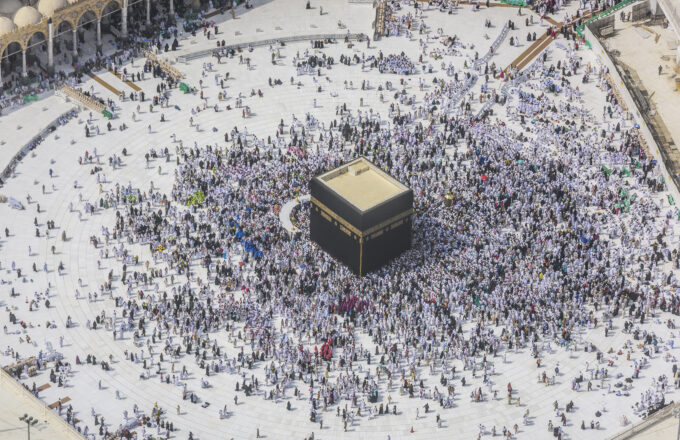
The Maliki school of thought holds that Hajj Badal (proxy Hajj) is invalid for any living person, regardless of their health, and is only permissible for a deceased individual if they explicitly mandated the pilgrimage in their legal will (wasiyyah).
The Maliki Hajj Badal ruling establishes some of the strictest conditions among all Islamic schools of jurisprudence regarding proxy pilgrimage. While most schools allow a proxy to perform Hajj for a living person who is permanently incapacitated, the Maliki school views Hajj as an strictly personal physical and financial act of worship that cannot be delegated during one’s lifetime. However, the school provides a specific exception for deceased Muslims who left a financial bequest to fund the journey. Understanding these precise jurisprudential boundaries helps Muslim families ensure they fulfill their religious obligations correctly, avoid invalidating the pilgrimage, and select a sincere proxy Hajj service that adheres strictly to Islamic law.
Key Takeaways
- The Maliki school strictly prohibits Hajj Badal for any living person, viewing the pilgrimage as a non-transferable physical act of worship.
- Proxy Hajj is only considered valid for a deceased person if they explicitly requested it in their will and allocated funds from their estate.
- A valid proxy (Na’ib) must be a sane, adult Muslim who has already completed their own obligatory (Fard) Hajj.
- The proxy must maintain a clear intention (Niyyah) for the deceased principal throughout all rituals, including Ihram, Tawaf, and standing at Arafat.
- If a proxy commits an error requiring a penalty (Dam), the proxy must pay this penalty from their own personal funds, not the deceased’s estate.
What is Hajj Badal in Islam?
How does proxy Hajj work?
Hajj Badal is the Islamic practice of appointing a representative to perform the pilgrimage to Mecca on behalf of someone who cannot perform it themselves. The surrogate pilgrim completes all mandatory rituals, but the spiritual reward and the fulfillment of the religious obligation are credited to the intended recipient. This practice ensures that the fifth pillar of Islam is fulfilled for those prevented by death or, in some schools of thought, permanent infirmity.
The foundational evidence for this practice comes from the Sunnah of Prophet Muhammad (PBUH). The Quran establishes the baseline obligation:
“And [due] to Allah from the people is a pilgrimage to the House – for whoever is able to find thereto a way.” (Surah Al Imran 3:97).
Building upon this, authentic Hadith provides the framework for proxy representation. When a woman from Juhaina asked if she could perform Hajj for her deceased mother, the Prophet (PBUH) replied:
“Yes, perform Hajj on her behalf. Do you not think that if your mother owed a debt you would pay it off? Pay off the debt owed to Allah, for Allah is more deserving that what is owed to Him should be paid.” (Sahih Bukhari 1852).
What is the Maliki School of thought?
The Maliki school is one of the four major Sunni schools of Islamic jurisprudence (Fiqh), founded by Imam Malik ibn Anas in the 8th century. Imam Malik heavily emphasized the practices of the people of Medina, viewing their collective actions as a direct continuation of the Prophet’s living tradition. Consequently, Maliki rulings often demand strict adherence to foundational practices and are highly cautious regarding the delegation of physical acts of worship, such as prayer and fasting, extending this caution directly to the pilgrimage.
What are the conditions for the Maliki Hajj Badal ruling?
Can a living person use a proxy for Hajj in Maliki Fiqh?
No, a living person cannot appoint a proxy for Hajj under the Maliki school of thought. Imam Malik ruled that Hajj is an individual physical obligation. Just as a Muslim cannot hire someone to perform their daily prayers (Salah) or observe the Ramadan fast (Sawm) on their behalf, a living Muslim cannot delegate the physical exertion of Hajj.
If a living person is permanently incapacitated due to illness, old age, or disability, the Maliki school concludes that the Islamic condition of “ability” (Istita’ah) is not met. Therefore, the obligation to perform Hajj falls away entirely for that individual. Appointing a proxy while alive does not lift the obligation, and the Maliki Hajj Badal ruling dictates that any proxy Hajj performed for a living person simply counts as a voluntary (Nafl) Hajj for the proxy themselves.
When is Hajj Badal valid for a deceased person?
The Maliki school only permits Hajj Badal for a deceased person if that individual explicitly left a will (wasiyyah) requesting the pilgrimage be performed on their behalf. If a Muslim dies without performing their obligatory Hajj and leaves no will stipulating that a proxy should be hired, the heirs are not religiously obligated to fund or arrange a proxy Hajj from the estate.
If the heirs choose to perform or fund a proxy Hajj without a will, the Maliki scholars view this as a beautiful act of charity (Sadaqah) that yields spiritual reward, but it does not officially discharge the specific Fard (obligatory) debt of Hajj from the deceased’s soul. To officially clear the religious debt under Maliki jurisprudence, the deceased must have acknowledged the debt and commanded its fulfillment through their legal will.
Who is eligible to be a proxy (Na’ib)?
The proxy (Na’ib) must be a competent, sane, and adult Muslim who has already successfully completed their own obligatory Fard Hajj. A Muslim cannot discharge the religious debt of another person if they have not yet discharged their own.
The proxy must possess the physical stamina to complete the rigorous rituals, including the long walks between Mina, Arafat, and Muzdalifah. There are no restrictions regarding gender or direct bloodline; a man may perform the pilgrimage for a woman, and a non-relative may perform it for a stranger, provided the proxy is trustworthy and knowledgeable about Islamic jurisprudence.
How are financial responsibilities handled?
When a deceased person requests a proxy Hajj in their will, the funds must be drawn from the maximum allowable one-third (1/3) of their total estate, as Islamic law caps testamentary bequests to protect the rightful heirs. The allocated funds must cover the proxy’s travel, accommodation, sustenance, and any required sacrificial animals (Hady).
If the one-third of the estate is insufficient to fund the journey from the deceased’s home country, the heirs must attempt to hire a proxy from a closer location, such as a resident of Saudi Arabia, whose travel expenses will fit within the allocated budget.
How do you perform the procedure of Hajj Badal according to Maliki Fiqh?
How must the proxy make their intention (Niyyah)?
The proxy must formulate a highly specific and sincere intention (Niyyah) at the Miqat (the designated boundary for entering the state of Ihram). The intention must explicitly name the deceased individual. The proxy states verbally or internally, “O Allah, I answer Your call to perform Hajj on behalf of [Name of the deceased].”
Under the Maliki Hajj Badal ruling, this intention locks the pilgrimage to the principal. The proxy cannot change the intention to themselves midway through the journey, nor can they perform the Hajj for multiple people simultaneously. A single proxy Hajj serves a single deceased individual per season.
How are the rituals performed on behalf of another?
The proxy executes every physical ritual exactly as if they were performing their own obligatory pilgrimage. The proxy enters the state of Ihram, performs the circumambulation of the Kaaba (Tawaf), walks between the hills of Safa and Marwa (Sa’i), stands in contemplation at the plains of Arafat, spends the night at Muzdalifah, and pelts the Jamarat (stone pillars). Throughout these rituals, the proxy must maintain a state of spiritual mindfulness, constantly supplicating for the forgiveness and elevation of the deceased person’s soul.
Can you perform Hajj al-Tamattu during a proxy Hajj?
Yes, a proxy can perform Hajj al-Tamattu, which involves completing an Umrah first, exiting the state of Ihram, and then re-entering Ihram a few days later for the Hajj rituals. This is often the preferred method due to its logistical flexibility.
However, performing Hajj al-Tamattu requires the slaughter of a sacrificial animal (Qurbani/Hady). The proxy Hajj service agreement must explicitly state whether the funds provided by the deceased’s estate cover this sacrifice, or if it is included in the proxy’s overall fee.
What exceptions and special cases exist in Maliki Hajj Badal?
What actions invalidate a Hajj Badal?
A Hajj Badal is entirely invalidated if the proxy violates the major prohibitions of Ihram, such as engaging in marital relations before the primary exit from Ihram (Tahallul al-Akbar). Furthermore, if the proxy fails to stand at the plains of Arafat on the 9th of Dhul-Hijjah during the designated timeframe, the entire pilgrimage is voided. In such cases, the religious obligation of the deceased is not fulfilled, and the proxy is typically required to refund the estate or repeat the pilgrimage the following year at their own expense.
Who pays the “Dam” (penalty) if mistakes occur?
If the proxy makes an unintentional mistake or commits a minor violation of Ihram rules—such as wearing stitched clothing, using scented soap, or missing a minor ritual—Islamic law requires the payment of an expiation or penalty known as “Dam” (the slaughter of a sheep).
The proxy must pay this penalty from their own personal wealth. The proxy cannot charge the deceased’s estate for mistakes made due to the proxy’s own forgetfulness or negligence. A reliable proxy Hajj service will always offer a personal accountability guarantee, ensuring that any required Dam is covered entirely by the representative.
What are common misconceptions about Maliki proxy rules?
The most prevalent misconception is that children can automatically hire an agency to perform Hajj for their living, sick parents under Maliki law. Because families often blend the rulings of the Hanafi or Hanbali schools (which allow this) with their own Maliki heritage, they inadvertently arrange a proxy Hajj that their specific school of thought deems invalid. Another misconception is that the proxy can perform an additional Umrah for themselves during the same trip using the principal’s funds; the proxy’s time and focus must remain dedicated strictly to the agreed-upon mandate.
What are the modern practical considerations for proxy Hajj?
How can families navigate contemporary proxy challenges?
In the modern era, families face the challenge of finding trustworthy representatives amidst a sea of commercialized, volume-based agencies. To navigate this, families should prioritize individual, one-on-one proxy Hajj services rather than outsourced mass-booking companies.
Families must engage in direct discussions with the prospective proxy, verifying their identity, checking their previous Fard Hajj visa, and confirming their knowledge of the specific Maliki Hajj Badal ruling. Transparency is paramount; the proxy should be willing to share live location updates, photos, and video calls during the journey to provide the family with peace of mind.
Why is a sincere and dedicated proxy essential?
Hajj Badal is a profound sacred trust (Amanah). A proxy who takes on multiple clients or rushes through the rituals treats the pilgrimage as a commercial transaction rather than a spiritual duty. A dedicated proxy—who accepts only one assignment per year—ensures that the entire focus, physical energy, and spiritual supplication are directed entirely toward the soul of the deceased. This 1-to-1 ratio guarantees that the proxy remains accountable, physically fit for the grueling crowds, and capable of handling all logistical challenges without compromising the rituals.
What do recent statistics reveal about Hajj attendance?
The physical demands of Hajj are escalating due to immense crowd densities, underscoring the necessity of hiring physically fit proxies. According to the Saudi General Authority for Statistics (GASTAT), the 2024 Hajj season saw 1.83 million pilgrims gather in Mecca. Navigating rituals among nearly two million people requires peak physical endurance. Families relying on a proxy must ensure the representative is young, healthy, and capable of managing extreme heat and dense crowds to secure the valid completion of the deceased’s religious debt.
Conclusion: Should you arrange a Maliki Hajj Badal?
Selecting the right proxy Hajj service requires a careful balance of jurisprudential knowledge and modern practical vetting. If your deceased loved one followed the Maliki school of thought and left a financial bequest for the pilgrimage, fulfilling this request is a beautiful and necessary execution of their final wishes.
Choose a proxy who understands the strict Maliki requirements, guarantees personal accountability for any penalties, and provides transparent proof of completion. By prioritizing sincerity over commercial convenience, you ensure that the debt owed to Allah is paid respectfully, granting peace to the departed soul and spiritual comfort to your family.
Frequently Asked Questions (FAQ)
How much does it cost to arrange a proxy Hajj?
The cost of a proxy Hajj typically ranges from $5,000 to $6,000 USD. This fee covers the proxy’s travel, accommodation in Mecca and Medina, state-mandated visa fees, sustenance, and the required sacrificial animal (Qurbani), ensuring the surrogate can complete the journey without relying on outside income.
How long does the Hajj Badal process take?
The actual Hajj rituals take five to six days, occurring specifically from the 8th to the 13th of the Islamic month of Dhul-Hijjah. However, the administrative process—including verification, payment, and visa acquisition—begins several months prior to the Hajj season.
What are the risks of using a commercial Hajj Badal agency?
The primary risk of using a mass-booking agency is a lack of transparency and sincerity. Commercial agencies often outsource the rituals to unknown individuals, take on more clients than they have proxies for, or fail to provide definitive proof that the pilgrimage was performed exclusively for your specific loved one.
Are there alternatives to Hajj Badal if the deceased left no will?
If the deceased left no will (meaning proxy Hajj is not mandated under the Maliki school), families can perform an Umrah Badal instead, which is shorter and less financially demanding. Alternatively, families can give continuous charity (Sadaqah Jariyah) in the deceased’s name, such as building a well or funding religious education, which provides immense spiritual reward.
Who is the ideal candidate to hire as a proxy pilgrim?
The ideal proxy is a healthy, adult Muslim who has previously completed their own obligatory Hajj, possesses deep knowledge of Islamic jurisprudence, and operates independently rather than through a volume-based agency. They should be willing to provide personal identification, visa proof, and commit to covering any penalty (Dam) out of their own pocket.