
A Complete Arafat Guide: The Significance of Wuquf
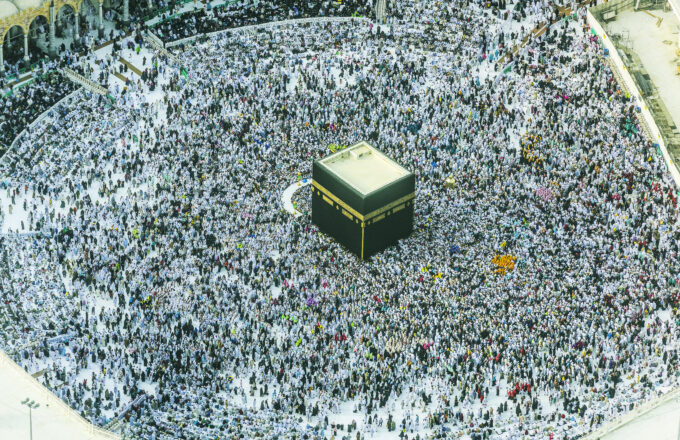
TL;DR: The Day of Arafat is the most critical pillar of the Islamic Hajj pilgrimage. Standing at Arafat (Wuquf) occurs on the 9th of Dhul Hijjah and offers pilgrims immense spiritual forgiveness. Pilgrims engage in continuous supplication from Dhuhr until sunset. Without performing Wuquf, the entire Hajj pilgrimage is considered invalid.
Every year, millions of Muslims gather on a dusty plain outside Mecca to observe the most profound ritual of the Islamic faith, making a comprehensive Arafat guide essential for understanding the wuquf significance. This gathering on the 9th of Dhul Hijjah is the undeniable heart of the Hajj Arafat experience. Standing before God on this specific day represents the ultimate act of submission, repentance, and spiritual renewal for a Muslim. By understanding the historical roots, modern logistical challenges, and the deeply personal practices required during Wuquf, you will gain a complete perspective on why this single day defines the entire Hajj journey and how it transforms the lives of those who participate.
What is the spiritual significance of Wuquf at Arafat?
How the Farewell Sermon shaped Islamic history
The historical weight of the Day of Arafat is anchored in the life of Prophet Muhammad (PBUH). During his final pilgrimage, the Prophet delivered his famous Farewell Sermon on this very plain. He stood before tens of thousands of companions and outlined the core human rights and ethical foundations of Islam. He declared the sanctity of human life and property, abolished pre-Islamic blood feuds, and explicitly condemned racism. The Prophet established that no Arab holds superiority over a non-Arab except through piety and good action. This momentous address solidified the moral framework of the global Muslim community.
What do the Quran and Hadith say about Arafat?
The Islamic scriptures place immense importance on this day. The Quran documents the perfection of Islam on the Day of Arafat.
Allah revealed:
“This day I have perfected for you your religion and completed My favour upon you and have approved for you Islam as religion.” (Surah Al-Ma’idah 5:3).
The Prophet Muhammad (PBUH) further emphasized the absolute necessity of this ritual. In a highly authenticated Hadith, he stated:
“The Hajj is Arafat.” (Sunan al-Tirmidhi).
This means that missing the standing at Arafat nullifies the entire pilgrimage. For those unable to attend the Hajj physically, the Prophet recommended fasting. He noted that fasting on the Day of Arafah expiates the sins of the preceding year and the coming year.
Why is Arafat known as a day of forgiveness?
The Day of Arafat serves as the ultimate opportunity for divine mercy. According to Islamic tradition, Allah descends to the lowest heaven and boasts to the angels about the pilgrims who have come from distant lands, covered in dust, seeking His mercy. God frees more souls from the fire of Hell on the Day of Arafat than on any other day of the year. Consequently, pilgrims dedicate themselves completely to seeking forgiveness. They shed tears of repentance, knowing that sincere supplication on this plain brings a clean slate.
How should a pilgrim prepare for the Day of Arafat?
How to achieve physical and mental readiness
Standing on the plain of Arafat requires exceptional physical endurance and mental fortitude. Pilgrims must prepare their bodies months in advance by walking long distances and adjusting to harsh climates. Mental readiness involves purifying one’s intentions. A pilgrim must enter the state of Ihram with a clear heart, releasing worldly anxieties and focusing entirely on seeking God’s pleasure. Proper hydration and adequate rest in the days leading up to the 9th of Dhul Hijjah are critical for sustaining energy throughout the long afternoon of continuous prayer.
What are the essential items for the day?
Packing correctly for Arafat can significantly impact a pilgrim’s focus and safety. You should bring a reliable water bottle to maintain hydration under the intense Saudi sun. An umbrella provides vital shade, while unscented sunscreen prevents severe burns. Pilgrims must carry their physical or digital Quran, a book of supplications, and a prayer mat. It is highly recommended to bring a portable power bank to ensure mobile phones remain charged, especially for accessing official Hajj applications and emergency services.
How to understand the rites of Wuquf
Wuquf literally translates to “standing” or “stopping.” However, physical standing is not strictly mandatory for the entire duration. Pilgrims can sit, rest, or lean as needed. The fundamental requirement is simply being physically present within the defined boundaries of Arafat between the time of Dhuhr (midday) and the setting of the sun. Understanding the exact borders of Arafat is vital, as waiting outside these boundaries invalidates the Hajj.
What are the correct practices of standing at Arafat?
How to manage timing and duration
The official time for Wuquf begins immediately after the sun crosses its zenith (Dhuhr) on the 9th of Dhul Hijjah. Pilgrims combine the Dhuhr and Asr prayers, shortening them to two units each, led by the Imam at the Namirah Mosque or within their respective tents. Following these combined prayers, the core period of Wuquf begins. Pilgrims must remain within the boundaries of Arafat until the sun completely sets. Leaving the boundaries before sunset requires a penalty sacrifice (Dam) to correct the violation.
Why are Du’a and Dhikr the focus of the day?
The afternoon of Arafat is not a time for casual conversation or rest. It is a period of intense, unbroken communication with God. Pilgrims engage in Du’a (supplication) and Dhikr (remembrance of God). The Prophet Muhammad (PBUH) taught that the best supplication is the one made on the Day of Arafat. Pilgrims raise their hands in earnest prayer, begging for forgiveness, health, guidance, and the well-being of their families and the broader Muslim community.
What are the recommended prayers and intentions?
While there are no specific ritual movements required during Wuquf, pilgrims frequently recite the Tahleel (declaring the oneness of God), Takbeer (declaring God’s greatness), and Talbiyah (the core chant of the Hajj). A deeply recommended phrase to repeat is: “La ilaha ill-Allah wahdahu la sharika lah, lahul-mulku wa lahul-hamdu, wa huwa ‘ala kulli shay’in qadir.” Pilgrims should constantly renew their intentions throughout the afternoon, ensuring their focus remains fixed on seeking the ultimate pleasure and forgiveness of the Almighty.
How does modern technology improve the Arafat experience?
How Saudi authorities manage crowds and facilities
Managing millions of pilgrims in a confined desert plain presents a monumental logistical challenge. According to the General Authority for Statistics (GASTAT), the official statistics for Hajj 1446H (2025) reported a total of 1,673,230 pilgrims. To accommodate these massive numbers, the Saudi government utilizes the Mashair Railway, a high-capacity train system that drastically reduces the travel time between Mina, Arafat, and Muzdalifah. The vast tent cities at Arafat feature enhanced fireproof materials, massive cooling stations, and extensive medical facilities.
How technology mitigates extreme heat
Climate change has made the Hajj increasingly dangerous. During the 2024 Hajj, intense temperatures led to a tragic outcome, with over 1,300 reported deaths primarily attributed to extreme heat. In response, modern technology has become a lifeline. The Saudi Ministry of Hajj and Umrah has deployed advanced misting poles across the Arafat plain to lower ambient temperatures. Furthermore, the official Nusuk application provides real-time heat warnings, hydration reminders, and immediate GPS tracking to locate medical tents.
How to navigate personal reflections amid modern challenges
Despite the technological advancements, the personal challenge of Wuquf remains daunting. The noise of helicopters, the sheer density of the crowds, and the physical exhaustion can easily distract a pilgrim. The true test of Arafat in the modern era is maintaining spiritual isolation while surrounded by millions of people. Pilgrims must actively tune out logistical disruptions and focus entirely on their internal dialogue with God.
How does standing at Arafat impact a pilgrim’s life?
What is the post-Hajj transformation?
The descent from Mount Arafat at sunset marks a profound psychological shift. Having spent the day pleading for mercy, pilgrims leave Arafat with the firm belief that their sins have been completely wiped away. They emerge as pure as the day they were born. This profound sense of spiritual cleanliness triggers a deep internal transformation. Pilgrims often describe returning home with a heightened sense of morality, a renewed commitment to daily prayers, and a stronger desire to avoid sinful behavior.
How to carry the spirit of Arafat forward
The challenge of Hajj lies not just in performing the rituals correctly, but in maintaining the “Arafat mindset” long after returning home. Carrying the spirit forward means remembering the humility felt while standing covered in dust among millions of equals. It involves translating the prayers made on that plain into actionable goals. If a pilgrim prayed for patience at Arafat, they must actively practice patience in their daily life.
How Arafat connects the global Muslim Ummah
Standing at Arafat provides a breathtaking visual representation of the global Muslim community (Ummah). You see people of every race, language, and socioeconomic background stripped of their worldly identifiers, wearing identical simple white garments. This shared experience creates an unbreakable bond. Pilgrims return to their home countries with a deeper empathy for their fellow Muslims worldwide, recognizing that despite geographic borders, the community is united by a single, profound faith.
Embracing the Journey of Renewal at Arafat
The Day of Arafat is an extraordinary convergence of history, faith, and human endurance. From the Prophet’s Farewell Sermon to the modern logistical marvels managing over 1.6 million pilgrims, Wuquf remains the definitive moment of the Hajj. It is a day that tests the physical body while completely renewing the spiritual soul. By fully understanding the wuquf significance and strictly adhering to the practices of this sacred day, Muslims can achieve the ultimate goal of the pilgrimage: returning home with a purified heart and a completely forgiven past. For those who cannot make the journey, services offering personal proxy Hajj ensure that the spiritual weight of this day can still be realized for incapacitated loved ones.
Frequently Asked Questions about Arafat
What happens if a pilgrim misses the Day of Arafat?
If a pilgrim fails to enter the boundaries of Arafat between Dhuhr on the 9th of Dhul Hijjah and the dawn of the 10th, their entire Hajj is considered invalid. They must exit the state of Ihram by performing an Umrah and are obligated to repeat the Hajj in a future year.
Can someone perform the Arafat rituals on behalf of an ill relative?
Yes. Islamic jurisprudence allows for a Hajj Badal (proxy Hajj) for individuals who are deceased or permanently physically incapacitated due to chronic illness or extreme old age. The proxy must have already completed their own obligatory Hajj. Services like Your Hajj Badal provide personal, sincere proxy Hajj without utilizing mass-booking agencies.
What are the boundaries of Arafat?
Arafat is a specific geographical plain located about 20 kilometers southeast of Mecca. The boundaries are clearly marked by large yellow signs. Pilgrims must ensure they are inside these boundaries during the time of Wuquf; the valley of Uranah, located just outside the boundary, is not part of Arafat.
Do I have to climb the Mount of Mercy (Jabal al-Rahmah)?
No, climbing the Mount of Mercy is not a mandatory requirement for Hajj. The Prophet Muhammad (PBUH) stood near the mount but clearly stated that the entire plain of Arafat is a valid place for standing. Attempting to climb the mountain often causes dangerous overcrowding and exhaustion.
How does the Nusuk app help pilgrims during Arafat?
The Nusuk app provides pilgrims with essential digital tools, including real-time crowd management updates, weather and heat alerts, GPS tracking to locate specific camp zones, and access to emergency medical services.