
How to Request Specific Dua and Ritual Preferences for Hajj Badal
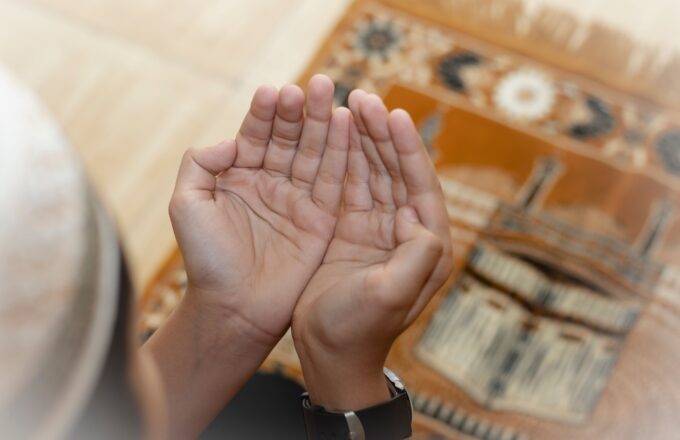
Quick answer: You can request a custom dua Hajj Badal arrangement by communicating directly with the person performing the pilgrimage. Share your loved one’s name for the niyyah (intention), provide specific supplications you’d like recited at sacred sites, and confirm the type of Hajj and Qurbani included. Sincerity and clear, direct communication matter most.
Losing the chance to perform Hajj—whether through death, illness, or old age—doesn’t have to mean losing the reward of this sacred pillar. Through Hajj Badal, you can fulfill this obligation for someone you love, and you can shape that pilgrimage with personal duas and ritual preferences that honor their memory and wishes. This guide explains how to make a meaningful custom dua Hajj Badal request, what Islam permits, and how to ensure your loved one’s pilgrimage is performed with sincerity and care.
What is Hajj Badal and what are its conditions?
Hajj Badal, also called proxy Hajj, is the act of performing the pilgrimage to Mecca on behalf of someone who cannot do it themselves. The practice is reserved for two groups: those who have passed away without completing Hajj, and those who are permanently unable to travel due to chronic illness, severe disability, or extreme old age.
This is not a modern invention—it’s rooted firmly in the Sunnah. A woman from Juhaynah once came to the Prophet Muhammad (PBUH) and asked about her deceased mother. He replied:
“Yes, perform Hajj on her behalf. Do you not think that if your mother owed a debt you would pay it off? Pay off the debt owed to Allah, for Allah is more deserving that what is owed to Him should be paid.” (Sahih al-Bukhari 1852)
The Quran establishes Hajj as an obligation for those who are able:
“And Pilgrimage to the House is a duty owed to Allah by all people who are able to undertake the journey.” (Surah Al-Imran 3:97)
For a Hajj Badal to be valid, a few conditions must be met:
- The proxy must have completed their own Fard Hajj first. The Prophet (PBUH) told a man performing Hajj for someone named Shubrumah: “Perform Hajj on your own behalf, then on behalf of Shubrumah.” (Sunan Abi Dawud 1811)
- The proxy must be a sane, adult Muslim who is physically capable of completing the rituals.
- One proxy can represent only one person during a single Hajj season.
- The intention (niyyah) must be made clearly for the specific individual before entering Ihram.
There are no gender or bloodline restrictions. A man can perform Hajj Badal for a woman, a friend for a friend, or a trustworthy hired representative for a stranger.
How do you request specific duas for your loved one’s Hajj Badal?
The heart of a personalized pilgrimage lies in the duas. While there are no fixed supplications unique to Hajj Badal, the person performing it is encouraged to pray abundantly for the one they represent. This is where your custom dua Hajj Badal request comes in.
Start with the niyyah (intention)
The most important personalization happens at the very beginning. At the Miqat, before entering the state of Ihram, the proxy must make the intention on your loved one’s behalf. The recommended wording is:
“Labbayka Hajjan ‘an [name of the person]” — “O Allah, I intend to perform Hajj on behalf of [name].”
Make sure you provide the full name of your loved one clearly, so the intention is precise and sincere.
Share specific supplications
You can ask the proxy to recite particular duas at key moments—standing at Arafah, during Tawaf around the Ka’bah, or while making Sa’i between Safa and Marwah. These might include:
“O Allah, make their Hajj accepted, their efforts rewarded, and their sins forgiven.”
“O Allah, accept it from them, grant them its full reward, and make it a light in their grave.”
If your loved one had a favorite supplication, a specific worry they carried, or family members they always prayed for, you can request these be included. A heartfelt, personal dua connects your love for them to the mercy of Allah.
Confirm ritual preferences
Hajj can be performed in different forms—Tamattu, Qiran, or Ifrad. Many proxy services perform Hajj al-Tamattu, which combines Umrah and Hajj and requires a sacrifice (Hady). When arranging the pilgrimage, confirm which type will be performed and whether it aligns with your family’s school of thought or your loved one’s known preference.
How do you ensure sincerity and authenticity in your Hajj Badal request?
Sincerity (ikhlas) is the foundation of any accepted act of worship. A Hajj performed for status, payment, or recognition rather than for Allah loses its spiritual weight. So how do you verify that your loved one’s pilgrimage will be performed with the right intention?
Choose direct communication over mass-booking. Large agencies that process hundreds of bookings can struggle to give individual attention. Working directly with the person performing the Hajj lets you discuss your specific wishes, confirm the duas, and build genuine trust. As one independent proxy notes, accepting only one person per year ensures the responsibility is “carried out with sincerity, focus, and personal accountability” (Your Hajj Badal).
Verify eligibility. Ask for proof that the proxy has completed their own Fard Hajj—this is a non-negotiable condition. Reputable individuals are willing to privately share verification such as a previous Hajj visa or Nusuk ID card.
Request updates. Modern technology makes it possible to receive photos, messages, location sharing, or even live video calls during the journey. These updates offer reassurance and let you feel connected to the pilgrimage as it unfolds.
Clarify accountability. A sincere proxy will take personal responsibility for any required “dam” (penalty) that arises from an unintentional mistake during the rituals, covering the cost themselves rather than passing it on to you.
Is Qurbani included in Hajj Badal, and what other acts of worship matter?
Qurbani (the sacrifice, also called Hady) is a key part of Hajj al-Tamattu and Hajj al-Qiran. When a proxy performs Hajj al-Tamattu on your loved one’s behalf, the required sacrifice should be part of the arrangement.
When making your request, ask directly: Is the Qurbani included, and are there any hidden costs? Trustworthy arrangements fold the Hady into the agreement with full transparency. Some independent providers include it as standard—for example, one offers the required Qurbani for Hajj al-Tamattu “fully included in the agreement, with no hidden costs” (Your Hajj Badal).
Beyond the obligatory rituals, you can request additional voluntary acts of worship to multiply the reward dedicated to your loved one. These might include:
- A bonus voluntary Umrah performed on their behalf
- Extra duas at sacred sites like the Multazam or the Hijr Isma’il
- Recitation of Quran dedicated to their soul
Hajj Badal functions as a form of sadaqah jariyah—an ongoing charity whose reward continues to reach the deceased in their grave.
How does technology make Hajj Badal more personal in 2026?
The scale of Hajj today is staggering. In 2025, a total of 1,673,230 pilgrims performed the pilgrimage, with 92.4% (1,546,655) traveling from outside Saudi Arabia (DataSaudi). Within these enormous crowds, technology has become the bridge that keeps a proxy pilgrimage feeling personal and trustworthy.
Here’s how modern tools enhance a custom dua Hajj Badal request:
- Live video calls let you witness moments of the pilgrimage in real time, hearing the duas recited for your loved one.
- Location sharing confirms the proxy is at Arafah, Mina, or the Ka’bah during the appropriate rites.
- Digital verification through systems like the Nusuk platform allows proxies to share their Hajj credentials securely.
- Messaging and photos provide a record of the journey you can keep and share with family.
Choose technology that adds transparency and connection—not distance. The goal is to feel present in your loved one’s pilgrimage, even from thousands of miles away.
A meaningful Hajj Badal honors a life
Performing Hajj Badal for someone you love is one of the most profound gifts you can offer—a chance to complete a sacred duty they could not finish, and to send continuous reward to their soul. The personalization matters. A precise niyyah, heartfelt duas at the holiest sites, an included Qurbani, and sincere intention transform a ritual into a deeply meaningful act of love.
To make your custom dua Hajj Badal request count, take these next steps:
- Find a trustworthy, eligible proxy who has completed their own Fard Hajj.
- Communicate your specific duas and ritual preferences clearly before the journey begins.
- Confirm the type of Hajj and that Qurbani is included with no hidden costs.
- Arrange for updates so you can stay connected to the pilgrimage.
When done with sincerity, this pilgrimage becomes a light in your loved one’s grave—and a source of reward for you in the Hereafter.
Frequently asked questions
Can I request specific duas to be recited during Hajj Badal?
Yes. While there are no fixed supplications unique to Hajj Badal, the person performing it is encouraged to pray abundantly for the one they represent. You can share your loved one’s name, favorite supplications, and specific requests to be recited at sacred sites like Arafah and during Tawaf.
How much does a Hajj Badal arrangement cost?
Costs vary by provider and what’s included. Some packages start around USD $1,800, while independent providers may charge in the range of USD $5,500–$5,750 with Qurbani and verification included. Always confirm exactly what the price covers before committing.
Can Hajj Badal be performed for someone who is still alive?
Yes, but only under strict conditions. The living person must be permanently unable to perform Hajj due to incurable illness, severe disability, or extreme old age, and must explicitly authorize the proxy. If they have the financial means, they should fund the journey.
Is Qurbani always included in Hajj Badal?
Qurbani (Hady) is required for Hajj al-Tamattu and Hajj al-Qiran, which most proxies perform. Reputable arrangements include the sacrifice with no hidden costs, but you should always confirm this directly when making your request.
How can I verify the Hajj Badal is performed sincerely?
Choose a proxy who communicates directly with you, can prove they completed their own Fard Hajj, and offers updates through photos, messages, or live video calls during the journey. Working with someone who accepts limited bookings helps ensure your loved one receives focused, personal attention.