
Hydration and Heat Safety: Preventing Heat Stroke During Hajj
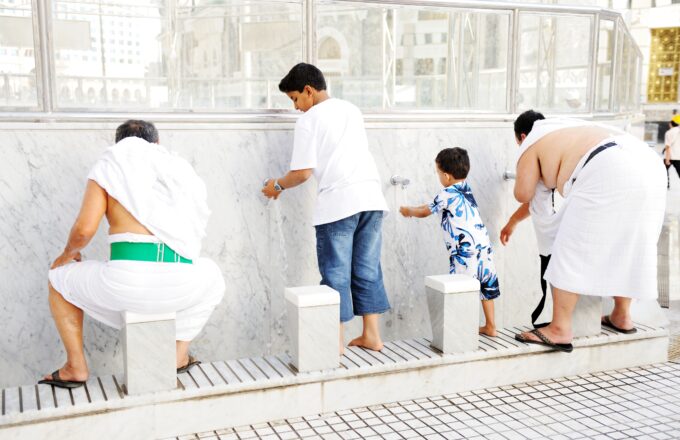
TL;DR: To prevent heat-related illness during the Hajj pilgrimage, prioritize hydration by drinking water frequently and consuming electrolytes. Utilize air-conditioned shelters, avoid peak sunlight hours, and wear breathable clothing. Recognizing early signs of heat exhaustion is critical for effective heat stroke prevention in Mecca’s increasingly extreme temperatures.
Millions of Muslims travel to Mecca each year to fulfill their spiritual obligations, but undertaking this demanding physical journey in one of the hottest climates on Earth requires rigorous preparation, specifically regarding heat safety and proper Hajj hydration. With temperatures frequently exceeding 50 degrees Celsius (122 degrees Fahrenheit) during the summer months, the human body faces immense thermal stress that can rapidly escalate into severe medical emergencies. This comprehensive guide outlines the critical mechanisms of heat-related illnesses, details actionable heat stroke prevention strategies, explores the profound Islamic emphasis on preserving one’s health, and analyzes recent climate data to help pilgrims ensure a safe, physically secure, and spiritually fulfilling journey.
What is heat stress and what are the risks during Hajj?
Understanding how the body reacts to extreme temperatures is the first step in effective heat stroke prevention. Heat stress occurs when the body can no longer regulate its internal temperature, leading to a cascade of dangerous physiological responses.
What are the main types of heat-related illnesses?
Heat-related illnesses exist on a spectrum of severity, starting from mild discomfort and escalating to life-threatening conditions. Heat cramps are the mildest form, characterized by painful muscle spasms in the legs or abdomen caused by the rapid loss of water and sodium through heavy sweating. If left untreated, this condition can progress to heat exhaustion. Symptoms of heat exhaustion include heavy sweating, cold and clammy skin, a rapid pulse, dizziness, nausea, and severe fatigue. The most severe condition is heat stroke, a critical medical emergency that occurs when the body’s internal temperature surpasses 103 degrees Fahrenheit (39.4 degrees Celsius). During a heat stroke, the body stops sweating, the skin becomes hot and dry, and the individual may experience confusion, loss of consciousness, or seizures.
What factors increase the risk of heat illness during Hajj?
The unique environment of the Hajj pilgrimage amplifies standard heat risks significantly. Pilgrims walk long distances between holy sites like Mina, Arafat, and Muzdalifah, often directly under the scorching sun. The sheer density of the crowds restricts airflow and limits access to shaded areas. Furthermore, age and underlying medical conditions play a massive role; elderly pilgrims and those with cardiovascular diseases face a much higher risk of system failure. Finally, logistical factors significantly impact safety. Unregistered pilgrims who lack official Hajj permits often cannot access air-conditioned tents, misting stations, or designated water supplies, leaving them uniquely vulnerable to prolonged, unmitigated heat exposure.
Why is Hajj hydration critical in hot climates?
Maintaining optimal fluid balance is the single most effective intervention for preserving health in extreme environments. Hajj hydration requires constant vigilance because the body depletes its water reserves at an accelerated rate in the desert climate.
Why is hydration paramount for Mecca’s extreme temperatures?
In environments where ambient temperatures exceed human body temperature, the only way the body can cool itself is through the evaporation of sweat. Mecca’s dry desert air causes sweat to evaporate almost instantly. Consequently, pilgrims lose massive amounts of fluids without realizing how heavily they are perspiring. This rapid fluid depletion decreases blood volume, which forces the heart to work significantly harder to pump oxygen to vital organs. Severe dehydration also impairs kidney function and directly compromises the brain’s temperature control center, accelerating the onset of heat exhaustion.
What are the recommended hydration strategies for pilgrims?
Effective Hajj hydration goes beyond simply drinking water when thirsty. By the time the thirst mechanism activates, the body is already mildly dehydrated. Pilgrims should drink small, frequent amounts of water throughout the day, aiming for at least one cup every twenty minutes during active walking. Because heavy sweating depletes vital minerals, plain water is not enough to maintain homeostasis. Pilgrims must replenish electrolytes by consuming oral rehydration salts (ORS), sports drinks with balanced sodium and potassium levels, or salty snacks. It is equally important to avoid diuretic beverages containing high amounts of caffeine or sugar, as these accelerate fluid loss.
What practical steps can pilgrims take for heat stroke prevention?
Preventing heat illness requires a proactive approach that begins weeks before the journey and demands strict discipline during the pilgrimage itself.
How should pilgrims prepare before traveling for Hajj?
Physical conditioning is vital for heat safety. Prospective pilgrims should consult their physicians for a comprehensive medical checkup to manage underlying conditions like hypertension or diabetes. Individuals can build heat tolerance by engaging in regular, moderate exercise outdoors in their home countries, gradually acclimatizing their cardiovascular systems to physical exertion. Packing appropriately is also crucial; pilgrims must bring a reusable water bottle, a high-quality umbrella, and an adequate supply of necessary prescription medications.
How can pilgrims manage clothing, shelter, and activity during Hajj?
Managing environmental exposure drastically reduces the burden on the body’s cooling system. Men wearing the Ihram should ensure the fabric is lightweight and breathable, while women should opt for loose-fitting, light-colored cotton garments that reflect sunlight rather than absorb it. Pilgrims must utilize UV-blocking umbrellas constantly when outdoors. Activity management is arguably the most important heat safety measure. Pilgrims must plan their obligatory rituals to avoid the peak heat hours between 10:00 AM and 4:00 PM whenever Islamic jurisprudence permits. Resting frequently in designated air-conditioned tents and utilizing public misting stations will keep core body temperatures within a safe range.
How can you recognize heat illness symptoms and take action?
Early recognition saves lives. If a pilgrim experiences dizziness, a throbbing headache, or sudden muscle weakness, they must immediately stop walking and move to a shaded or air-conditioned area. Companions should assist by loosening the affected person’s clothing and applying cool, wet cloths to their neck, armpits, and groin to rapidly lower their body temperature. They should provide cool water or electrolyte solutions in small sips. If the individual exhibits symptoms of a heat stroke—such as confusion, slurred speech, or a lack of sweating—bystanders must contact the Saudi Red Crescent Authority immediately, as this constitutes a life-threatening emergency requiring intravenous fluids and clinical cooling techniques.
What are the Islamic perspectives on health and well-being during Hajj?
Islam places a profound emphasis on the preservation of life and health, integrating these concepts directly into the framework of worship. Engaging in heat stroke prevention is not merely a practical necessity; it is a religious obligation.
Which Quranic verses and Hadiths emphasize preserving health?
The foundational texts of Islam strictly forbid believers from unnecessarily endangering their own lives. This principle is clearly outlined in the Quran, which instructs Muslims to avoid self-destruction.
“Spend in the cause of Allah and do not let your own hands throw you into destruction ˹by withholding˺. And do good, for Allah certainly loves the good-doers.” (Quran 2:195)
Furthermore, Prophet Muhammad (peace be upon him) continuously emphasized the immense value of physical health and the duty to maintain it. He taught that the physical body is a trust from the Creator that must be respected and nurtured.
“Your body has a right over you.” (Sahih Bukhari 5199)
He also warned believers not to take their health for granted, noting that physical well-being is a fleeting asset that must be utilized for righteous deeds.
“There are two blessings that many people lose: (They are) health and free time for doing good.” (Sahih Bukhari)
Why is self-care and precaution important in Islam?
The preservation of life (Hifz al-Nafs) is one of the five core objectives of Islamic Law (Maqasid al-Shariah). Taking necessary precautions, utilizing medical interventions, and resting when fatigued are considered acts of obedience to Allah. Scholars agree that if performing a specific, non-obligatory ritual at a certain time places a pilgrim’s life in imminent danger due to extreme heat, it is Islamically valid to delay the ritual or seek safer alternatives. Self-care during Hajj enables the pilgrim to worship with a clear mind and a strong body, thereby fulfilling their spiritual duties more effectively.
What do recent statistics reveal about heat-related incidents during Hajj?
Examining recent data provides a sobering perspective on the severity of the climate challenge facing the Hajj pilgrimage. The numbers underline the absolute necessity for stringent heat safety protocols.
What are the latest data and trends for Hajj heat casualties?
The 2024 Hajj season proved to be one of the most dangerous in recent history due to unprecedented thermal extremes. According to reports, temperatures in Mecca exceeded 50 degrees Celsius (122 degrees Fahrenheit). This catastrophic heat wave resulted in at least 1,301 fatalities among pilgrims. Medical authorities in Saudi Arabia recorded over 2,764 cases of heat-related illnesses on June 16 alone. Human rights organizations noted that many of those who perished were unregistered pilgrims who lacked access to official air-conditioned facilities, underscoring the lethal consequences of unmitigated heat exposure.
How is climate change impacting future Hajj pilgrimages?
The tragic events of recent years are not isolated anomalies; they represent a growing environmental trend. Research published by the Journal of Travel Medicine highlights that escalating global temperatures are leading to more frequent and severe heatwaves in the Middle East. As climate change continues to drive ambient temperatures higher, the incidence of heat-related illnesses among pilgrims is projected to increase. This shifting climate reality mandates that both pilgrims and organizers continually adapt their heat safety strategies to mitigate escalating environmental risks.
Conclusion: How can you ensure a safe and spiritually rewarding Hajj?
Successfully navigating the physical demands of Hajj requires treating heat safety and Hajj hydration as essential components of the pilgrimage itself. By understanding the signs of heat stress, adhering to strict hydration protocols, managing daily activity to avoid peak sun hours, and honoring the Islamic mandate to protect the physical body, pilgrims can dramatically reduce their risk of heat-related illness. A holistic approach that balances profound spiritual devotion with uncompromising physical self-care is the definitive path to experiencing a safe, fulfilling, and transformative Hajj.
Frequently Asked Questions (FAQ)
What is the fastest way to cure heat exhaustion during Hajj?
The most effective immediate treatment for heat exhaustion is moving the affected pilgrim to an air-conditioned or heavily shaded area. Loosen their clothing, apply cool water or wet cloths to their skin, and have them slowly sip an electrolyte-rich oral rehydration solution.
How much water should a pilgrim drink daily in Mecca?
While individual needs vary based on body size and exertion levels, pilgrims walking in Mecca’s extreme heat should aim to drink at least 3 to 4 liters of water daily. This intake should be spaced out continuously rather than consumed all at once, and supplemented with electrolytes.
Who is at the highest risk of heat stroke during the pilgrimage?
Elderly pilgrims, individuals with pre-existing conditions (such as cardiovascular disease, diabetes, or high blood pressure), and those taking certain medications (like diuretics) are at the highest risk. Unregistered pilgrims who cannot access designated cooling shelters also face disproportionately high risks.
Are unregistered pilgrims more vulnerable to heat-related illnesses?
Yes. During the 2024 Hajj, data showed that unregistered pilgrims suffered significantly higher mortality rates. Without official permits, they were denied access to air-conditioned tents, official transport, and misting centers, leaving them fully exposed to the harsh elements.
What type of umbrella is best for Hajj heat safety?
Pilgrims should use light-colored umbrellas equipped with an inner UV-reflective coating. These specific umbrellas block harmful ultraviolet rays and significantly reduce the ambient temperature directly beneath the canopy, providing essential mobile shade during long walks.