
How to Arrange Hajj Badal from the USA Safely
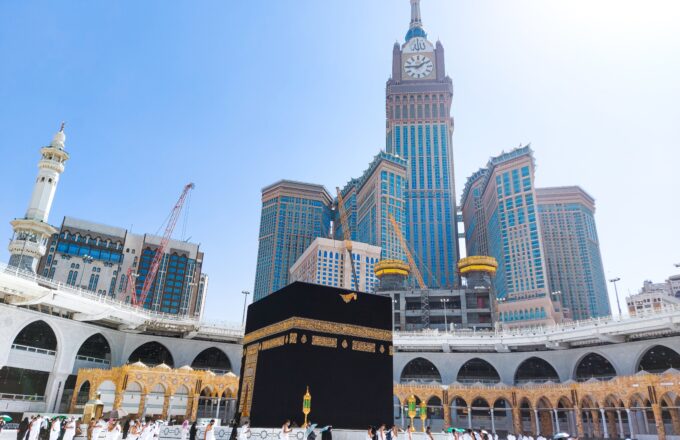
Quick answer: A USA Hajj Badal arrangement involves hiring a qualified proxy to perform Hajj on behalf of a deceased or permanently incapacitated loved one. US residents must use Nusuk-approved agencies, ensure the proxy holds a valid Saudi Hajj permit, and verify the proxy has completed their own obligatory Hajj to avoid heavy fines and fraudulent services.
Organizing a USA Hajj Badal arrangement requires deep spiritual dedication and careful logistical planning, as families must navigate complex international regulations to fulfill this sacred obligation for a loved one who cannot travel. Hajj is a fundamental pillar of Islam, mandated for those physically and financially capable, but Islamic tradition mercifully provides the option of Hajj Badal (proxy Hajj) for Muslims who are permanently disabled, chronically ill, or deceased. Today, US-based Muslims face a rapidly changing landscape of Saudi travel rules, digital permit systems like the Nusuk platform, and a rising tide of unauthorized proxy scams. This comprehensive guide will explain the religious foundations of proxy pilgrimage, break down the latest Saudi Ministry of Hajj and Umrah regulations, and provide actionable steps to ensure your proxy Hajj is performed legally, ethically, and securely.
What is the Islamic jurisprudence on proxy Hajj?
The foundation of Hajj Badal rests on authentic traditions from the Prophet Muhammad (peace be upon him). Islamic scholars agree that proxy Hajj is a valid and highly encouraged practice for those who meet specific conditions.
How do authentic Hadiths support Hajj Badal?
The permissibility of performing Hajj on behalf of another person is clearly documented in Sahih al-Bukhari. A famous narration outlines a conversation between a woman and the Prophet regarding her deceased mother’s unfulfilled religious duties.
“A woman from the tribe of Juhaina came to the Prophet (ﷺ) and said, ‘My mother had vowed to perform Hajj but she died before performing it. May I perform Hajj on my mother’s behalf?’ The Prophet (ﷺ) replied, ‘Perform Hajj on her behalf. Had there been a debt on your mother, would you have paid it or not? So, pay Allah’s debt as He has more right to be paid.'” (Sunnah.com)
This explicit guidance demonstrates that fulfilling a loved one’s Hajj obligation is akin to settling a binding debt.
What are the conditions and eligibility requirements for performing Hajj Badal?
Not everyone qualifies to receive or perform a proxy Hajj. A USA Hajj Badal arrangement must strictly adhere to Islamic legal conditions to be considered valid. The person receiving the proxy Hajj must be either deceased or suffering from a permanent physical incapacity that prevents them from traveling. Temporary illnesses do not qualify an individual for Hajj Badal.
The individual performing the proxy Hajj must also meet specific criteria. The proxy must be a sane, adult Muslim who has already completed their own obligatory Hajj. A proxy cannot perform their first Hajj on behalf of someone else. Additionally, the proxy can only represent one individual per Hajj season.
What is the spiritual significance for the deceased or incapacitated?
For families in the United States, arranging a proxy Hajj brings immense emotional and spiritual relief. It ensures that a parent or relative fulfills a fundamental pillar of Islam despite their physical limitations. The spiritual reward for the deceased is complete, and the person organizing the USA Hajj Badal arrangement also receives blessings for their dutiful care and financial sacrifice.
How do you navigate the legal landscape for Hajj Badal from the USA?
The logistics of sending a proxy to Mecca have transformed significantly in recent years. The Saudi Ministry of Hajj and Umrah has implemented strict digital frameworks to manage crowd control and eliminate fraudulent operators.
How do you verify the legality and authenticity of service providers?
US residents can no longer rely on informal travel agents who operate outside the official system. Any individual traveling from the United States to perform Hajj must book their journey through the official Saudi Nusuk platform. If you are hiring a USA-based proxy, verify that they have secured a legitimate Hajj package through Nusuk.
If you are hiring a proxy who already resides in Saudi Arabia, they must obtain a domestic Hajj permit through the Absher or Tasrih platforms. The Saudi government strictly prohibits performing Hajj on a standard tourist or visit visa. According to recent Arab News reports, Saudi authorities impose severe penalties for Hajj permit violations, including fines of up to 20,000 Saudi Riyals (approximately $5,300 USD), immediate deportation, and a 10-year ban on re-entering the country.
What should be included in contractual agreements?
Transparency is essential when coordinating a USA Hajj Badal arrangement. You must establish a clear, written agreement with the agency or the individual proxy. The contract should explicitly state the name of the person for whom the Hajj is being performed. It must also outline all included services, such as the proxy’s accommodation, transportation between holy sites like Mina and Arafat, and the mandatory animal sacrifice (Qurbani/Dam).
What are the international regulations and cross-border considerations?
Sending funds overseas requires compliance with both US financial regulations and Saudi banking laws. Ensure you use reputable financial institutions or registered payment gateways to transfer money. Avoid sending cash via untraceable methods like Western Union to individuals you have not thoroughly vetted, as this severely limits your recourse in the event of fraud.
What are the practical steps for arranging Hajj Badal from the United States?
Executing a USA Hajj Badal arrangement demands careful planning, clear communication, and financial prudence. You must select a trustworthy proxy and maintain a structured relationship throughout the pilgrimage.
How do you identify reputable Hajj Badal organizations?
Begin by researching licensed charities, Islamic centers, or verified Hajj agencies that offer dedicated proxy services. Look for organizations with a long, documented history of facilitating Hajj for US Muslims.
You should request references and read reviews from other families who have used their services. A reputable organization will gladly provide proof of their affiliations with recognized Islamic bodies and share their specific vetting process for selecting proxies. Ask the agency for written confirmation that their chosen proxies have already completed their personal Hajj obligations.
How should you coordinate with the proxy performer?
Clear communication sets the foundation for a successful proxy pilgrimage. Before the Hajj season begins, schedule a video call or phone meeting with the agency coordinator or the proxy themselves. Discuss the specific intention (Niyyah) that the proxy must declare upon entering the state of Ihram.
Establish a timeline for updates. While the proxy will be focused on their spiritual duties during the days of Hajj, you should expect to receive basic confirmation messages. Many modern agencies provide video clips or photographs of the proxy making supplications at Mount Arafat on behalf of your loved one.
What are the expected costs and payment structures?
The cost of a USA Hajj Badal arrangement varies wildly based on the proxy’s location.
Choose a local Saudi resident proxy if minimizing costs matters more than having face-to-face interactions with the performer. A proxy residing in Saudi Arabia typically costs between $1,300 and $4,000 USD, as they do not require international flights.
Choose a US-based proxy if you prefer to hire a local community member or a specific family friend. This route is significantly more expensive, often ranging from $10,000 to $15,000 USD, because the proxy must purchase a full Nusuk travel package from the United States. Ensure the price covers all hidden fees, including the animal sacrifice and ground transportation.
What ethical concerns and common scams should US residents avoid?
Unfortunately, the high demand for proxy Hajj services attracts bad actors looking to exploit grieving or anxious families. Vigilance is your best defense against fraudulent schemes.
How can you ensure the proxy acts with sincerity?
The validity of Hajj Badal relies entirely on the proxy’s sincere intention. You cannot monitor the proxy’s heart, but you can select individuals known for their piety and religious knowledge. Islamic students, Imams, and dedicated community volunteers often make the most reliable proxies. Emphasize the spiritual weight of the task during your initial conversations.
What are the best ways to avoid Hajj Badal scams?
Fraudulent operators frequently advertise unbelievably low prices on social media platforms like Facebook and TikTok. If a service offers a USA Hajj Badal arrangement for a few hundred dollars, it is almost certainly a scam. The mandatory animal sacrifice and basic domestic Saudi Hajj permits cost more than these advertised rates.
Scammers often pool multiple names together, assigning one proxy to perform Hajj for dozens of people simultaneously. This practice completely invalidates the Hajj under Islamic law. Demand written guarantees from your agency that your proxy is dedicated solely to your loved one for the entire season.
How does technology facilitate a USA Hajj Badal arrangement?
Technology bridges the geographical gap between the United States and Mecca. Reputable agencies utilize secure client portals to upload signed contracts, process transparent credit card payments, and share digital certificates of completion. Some organizations use GPS tracking or real-time photo sharing to provide grieving families with profound peace of mind as the proxy completes the rituals at the Kaaba and Mount Arafat.
Fulfilling Your Sacred Duty with Complete Peace of Mind
Arranging a proxy Hajj is a profound act of devotion, honoring the memory of those who have passed and supporting those who lack the physical strength to travel. While the logistical hurdles and strict Saudi regulations may initially seem daunting, a methodical approach ensures success. By prioritizing authorized channels, verifying the religious qualifications of your proxy, and maintaining clear financial transparency, you can navigate a USA Hajj Badal arrangement confidently. Take the time to research thoroughly, consult with trusted local scholars, and partner with reputable agencies to secure this ultimate spiritual milestone for your loved one.
Frequently Asked Questions
Who is eligible to receive a proxy Hajj (Hajj Badal)?
Hajj Badal is exclusively reserved for deceased Muslims or individuals who suffer from a permanent, incurable illness or disability that completely prevents them from traveling. Healthy individuals or those with temporary ailments must perform the pilgrimage themselves.
Can a person perform Hajj Badal if they have never performed Hajj for themselves?
No. Islamic jurisprudence requires the proxy performer to have successfully completed their own obligatory Hajj before they can represent someone else.
How much does a USA Hajj Badal arrangement typically cost?
Costs depend heavily on the proxy’s origin. Hiring a proxy who already resides in Saudi Arabia generally costs between $1,300 and $4,000 USD. Sponsoring a US-based proxy to travel from America will cost upwards of $10,000 USD due to international flight and Nusuk package costs.
What happens if a proxy attempts to perform Hajj without an official permit?
The Saudi government strictly enforces permit laws. Proxies caught performing Hajj without proper authorization face a fine of 20,000 Saudi Riyals, immediate deportation, and a 10-year ban from entering Saudi Arabia.
Can one proxy perform Hajj for multiple people in the same year?
No. A single proxy can only declare the intention (Niyyah) and perform the Hajj rituals for one specific individual per Hajj season. Agencies offering to perform Hajj for multiple people using a single proxy are operating fraudulently.