
Hajj Badal for UK Residents: Regulations and Providers
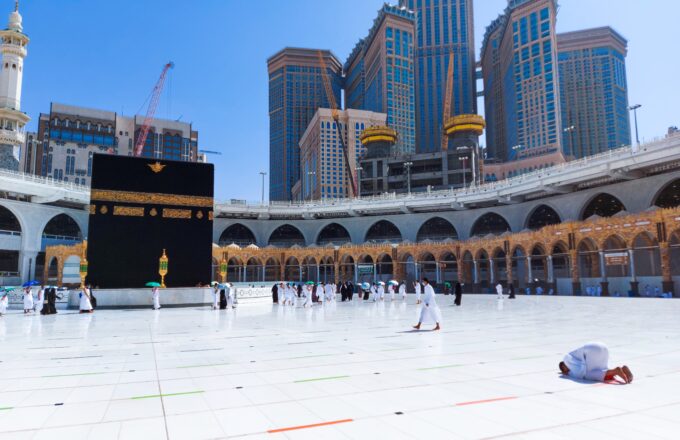
Quick answer: Hajj Badal is a proxy pilgrimage performed on behalf of a deceased or permanently incapacitated Muslim. UK residents seeking a UK Hajj Badal service must ensure the selected proxy has already completed their obligatory Hajj and holds a valid Hajj visa. Providers like YourHajjBadal.com offer personalized, single-representation proxy Hajj services to ensure full Islamic compliance and financial transparency.
Fulfilling the sacred pillar of pilgrimage on behalf of a loved one requires careful navigation of both Islamic jurisprudence and modern travel logistics. For Muslims residing in the United Kingdom, arranging a UK Hajj Badal service involves understanding strict proxy conditions, verifying provider authenticity, and keeping up with the latest Saudi Arabian visa regulations. This comprehensive guide explores the spiritual foundations of proxy Hajj, examines recent pilgrimage statistics, and outlines the essential criteria for selecting a transparent, trustworthy representative to perform this solemn duty on behalf of your deceased or incapacitated relatives.
What is Hajj Badal and Why Does it Matter for UK Muslims?
Hajj Badal, commonly referred to as proxy Hajj, is the practice of performing the Islamic pilgrimage to Mecca on behalf of another individual. The Hajj Badal meaning centers entirely on the principle of substitution. This practice allows individuals who are Islamically obligated to perform Hajj, but are physically unable to do so, to fulfill their religious duty. The substitute representative travels to Saudi Arabia, enters the state of Ihram, and completes all mandatory rituals with the specific intention of attributing the spiritual reward to the designated person.
For Muslims in the United Kingdom, arranging a valid UK Hajj Badal service has become increasingly relevant. The UK has a growing aging Muslim population, many of whom possess the financial means to perform Hajj but lack the physical health required for the arduous journey. Additionally, the rising costs of Hajj packages and the complexities of the centralized Nusuk booking system have prompted many families to seek reliable proxy alternatives. A UK Hajj Badal service provides a practical solution for families wanting to clear the religious debts of their deceased parents or support relatives suffering from chronic illnesses.
Understanding the regulations governing this practice is critical for UK residents. Saudi Arabia strictly monitors pilgrimage visas, and performing proxy Hajj on a standard tourist or visit visa is strictly prohibited AsiaOne, 2024. The proxy must hold a designated Hajj visa or a domestic Saudi Hajj permit. Families must therefore carefully vet their chosen representatives to ensure all legal and religious frameworks are strictly followed.
What is the Islamic Basis and Significance of Proxy Hajj?
The foundation of proxy pilgrimage is firmly established in Islamic jurisprudence, drawing evidence from the Quran and the authentic Sunnah of Prophet Muhammad (Peace Be Upon Him). While the term “Hajj Badal” does not appear explicitly in the Quran, the overarching obligation of pilgrimage is clearly stated.
The Quran mandates the pilgrimage for those with the capacity to undertake it:
“And [due] to Allah from the people is a pilgrimage to the House – for whoever is able to find thereto a way.” Surah Al Imran 3:97.
For those lacking the physical capacity, the Sunnah provides the specific ruling for proxy representation. The most prominent evidence comes from a well-documented interaction recorded in Sahih Bukhari.
“A woman from the tribe of Juhaina came to the Prophet (ﷺ) and said, ‘My mother had vowed to perform Hajj but she died before performing it…’ Prophet Muhammad (PBUH) replied: ‘Yes, perform Hajj on her behalf. Do you not think that if your mother owed a debt you would pay it off? Pay off the debt owed to Allah, for Allah is more deserving that what is owed to Him should be paid.'” Sahih Bukhari 1852.
Similarly, Sahih Muslim records a man inquiring about his elderly father.
“Messenger of Allah, my father is very old. There is an old obligation of Hajj upon him from Allah, but he is not capable of sitting on the back of the camel.”
The Prophet instructed him to perform Hajj on his father’s behalf Sahih Muslim 1334.
Who is Eligible for Hajj Badal?
Islamic scholars agree that proxy Hajj is only valid for two specific categories of people. The first category includes individuals who have passed away without fulfilling their obligatory Hajj. The second category comprises living individuals who suffer from a permanent, incurable illness or extreme old age that renders them completely incapable of travel.
What are the Conditions for the Proxy?
The person executing the UK Hajj Badal service must meet specific religious criteria. The representative must be a sane, adult Muslim. Crucially, the proxy must have already completed their own obligatory (Fard) Hajj. A Muslim cannot perform Hajj on behalf of someone else if they have not yet fulfilled their own personal obligation to Allah. Furthermore, a proxy can only perform the pilgrimage for one single individual during a given Hajj season.
What are the Regulations and Guidelines for Hajj Badal in the UK?
UK residents seeking to arrange a proxy pilgrimage face a unique set of regulatory challenges. The landscape of Hajj travel has shifted dramatically in recent years, moving away from local high-street travel agents toward centralized digital platforms managed directly by the Saudi Ministry of Hajj and Umrah.
Understanding travel and religious service regulations is the first step. Because families are transferring significant funds—often exceeding $5,000 USD—to individuals or organizations overseas, they must ensure the transaction complies with financial security standards. UK consumers should seek providers that offer transparent cost breakdowns and clear refund policies.
Accreditation and vetting processes for Hajj Badal providers require rigorous due diligence. Since the proxy must physically be in Saudi Arabia with a valid Hajj permit, UK families must demand proof of eligibility. This includes verifying the proxy’s previous Hajj completion certificate, reviewing their current Nusuk registration, and confirming their identity. Reputable providers will willingly share their identification and visa details privately to establish trust.
Financial transparency remains a major concern for UK residents. A reliable UK Hajj Badal service will clearly delineate the costs involved. The payment structure should detail the initial booking fees, the main package costs covering transportation and accommodation, and the mandatory Qurbani (animal sacrifice) expenses. Providers that hide fees or refuse to explain where the funds are allocated should be avoided entirely.
How Should You Choose a Trusted UK Hajj Badal Service Provider?
Selecting the right individual to fulfill this sacred amanah (trust) requires evaluating several key criteria: sincerity, eligibility, and transparency. Families must choose a representative who views the proxy pilgrimage as a solemn religious duty rather than a mass-market commercial enterprise.
Spotlight on YourHajjBadal.com: A Case Study in Personalized Service
YourHajjBadal.com represents a highly personalized approach to proxy pilgrimage. Operated by a 32-year-old Muslim graduate from the University of Rajshahi who completed his own Fard Hajj in 2025, this service explicitly focuses on individual performance.
Unlike large agencies that manage dozens of proxy requests simultaneously, YourHajjBadal.com limits its intake to exactly one Hajj Badal slot per year. This ensures the proxy remains entirely focused on fulfilling the responsibility for one specific loved one. The provider personally commits to a “Dam” guarantee, meaning if any penalty becomes necessary due to a mistake during the rituals, the provider covers the expense personally.
The YourHajjBadal.com package includes the required Hady (Qurbani) within the agreement, eliminating hidden costs. Furthermore, the provider gifts a bonus voluntary Umrah for the intended recipient. Throughout the journey, the provider maintains direct communication, sharing updates, live video calls, and location tracking to give UK families complete peace of mind.
Questions to Ask Potential Providers
When evaluating a UK Hajj Badal service, families should ask the following critical questions:
- Can you provide documented proof that you have completed your own Fard Hajj?
- Will you be performing the Hajj personally, or do you outsource this to a third party?
- How many proxy pilgrimages are you undertaking this year? (The Islamic limit is one per person).
- Does the total cost include the mandatory Qurbani, or is that billed separately?
- How will you provide updates and verification during the days of Hajj?
What are the Recent Trends and Statistics in Hajj Services?
The global pilgrimage market, including the specific sector catering to UK residents, has experienced significant transformation. Analyzing recent statistics provides valuable context for families planning a proxy Hajj.
According to the Saudi General Authority for Statistics, the total number of pilgrims in 1445 AH (2024) reached 1,833,164, which included 221,854 domestic pilgrims SPA, 2024. The subsequent year saw continued massive participation; in 2025, over 1.67 million pilgrims performed Hajj from around the world DataSaudi, 2025.
The reliance on international travelers is stark. Statistical analysis indicates that over 87% of Hajj pilgrims arrive in the Kingdom of Saudi Arabia from abroad NewHaj, 2025. This massive influx places heavy demand on the centralized Nusuk platform, often making it difficult for older UK residents to secure standard Hajj packages. Consequently, the demand for proxy services has surged.
The digitalization of Hajj services has revolutionized how UK families connect with proxies in Saudi Arabia. Online platforms and independent digital service providers allow families to bypass traditional agency bottlenecks. However, this digitalization also requires consumers to be more vigilant regarding online scams.
The broader GCC halal tourism market, which encompasses Hajj and Umrah travel, reflects this growing demand. The market was valued at USD 7.7 billion in 2025 and is projected to reach USD 12.9 billion by 2034, growing at a compound annual growth rate of 5.92% IMARC Group, 2025. This growth underscores the increasing professionalization of pilgrimage services, including niche offerings like proxy Hajj.
How Can You Ensure a Sincere and Valid Proxy Pilgrimage?
The validity of a proxy pilgrimage hinges entirely on the concept of Niyyah (intention). The representative performing the UK Hajj Badal service must make a clear, explicit intention to enter the state of Ihram specifically on behalf of the designated individual. If the proxy fails to make this specific intention, the Hajj defaults to the proxy themselves, and the obligation of the deceased remains unfulfilled.
Ensuring sincerity requires establishing a direct, personal connection with the proxy. Mass-booking agencies often pool funds and distribute names to anonymous students or residents in Mecca. This lack of personal accountability increases the risk of the proxy taking on multiple names simultaneously—a practice strictly forbidden in Islamic jurisprudence.
To guarantee ethical execution, UK residents must prioritize independent providers who offer complete transparency. By verifying the proxy’s identity, communicating directly with them leading up to the Day of Arafah, and receiving real-time updates from Mina and Muzdalifah, families can rest assured that the sacred trust is being handled with the utmost reverence.
Next Steps for Arranging Your Proxy Pilgrimage
Securing a reliable UK Hajj Badal service requires early planning and rigorous verification. Begin by confirming that your loved one meets the strict Islamic eligibility criteria for proxy representation. Next, allocate the necessary funds, keeping in mind that genuine proxy services covering a standard Hajj Tamattu (including Qurbani) typically require an investment of approximately $5,500 USD.
Research independent providers who prioritize single representation over volume-based bookings. Demand transparency regarding visa status and previous Hajj completion. By taking these methodical steps, UK Muslims can confidently fulfill the sacred pillar of Islam on behalf of their parents or incapacitated relatives, securing profound spiritual rewards for both the sender and the recipient.
Frequently Asked Questions About Proxy Hajj
What is the average cost of a UK Hajj Badal service?
The cost of a reliable proxy Hajj typically ranges from $5,000 to $6,000 USD. This fee covers the proxy’s domestic Saudi Hajj package, accommodation, transportation between the holy sites, and the mandatory Qurbani (animal sacrifice).
Can a living person request someone to perform Hajj on their behalf?
Yes, a living person can request a proxy Hajj, but only if they suffer from a permanent, incurable illness or severe physical disability that permanently prevents them from traveling. Temporary illnesses do not qualify for proxy representation.
Can one proxy perform Hajj for multiple people in the same year?
No, Islamic jurisprudence strictly dictates that a proxy can only perform Hajj for one specific individual during a single Hajj season. Providers offering to take multiple names simultaneously are violating Islamic guidelines.
How do I know the proxy has completed their own Fard Hajj?
You must ask the provider for documented proof. Reputable proxies will share their previous Hajj visa, Nusuk completion certificates, or official Saudi travel records privately to verify they have fulfilled their own obligation before accepting your trust.
Does the proxy need to be a relative of the deceased?
No, the proxy does not need to be a relative. While a family member can perform the proxy Hajj, any sane, adult Muslim who has completed their own obligatory Hajj can serve as a valid representative for the deceased or incapacitated individual.