
How to Recognize and Avoid Common Hajj Scams
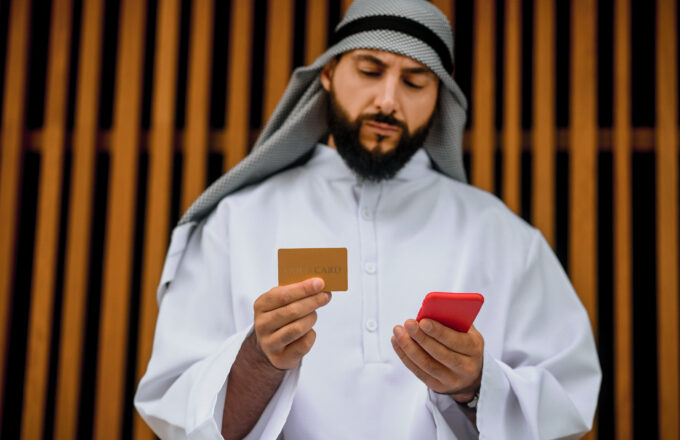
Every year, millions of Muslims prepare for the spiritual peak of their lives by undertaking the Hajj pilgrimage, yet this profound devotion has increasingly become a target for sophisticated financial predators. The intense desire to fulfill this religious obligation often makes prospective pilgrims uniquely vulnerable to exploitation by deceptive travel agencies and fake tour operators. Recent figures highlight the severe reality of this issue, with the City of London Police reporting that victims lost £195,752 to Hajj-related fraud in early 2025 alone. Because criminals continuously adapt their methods to exploit emotional trust, understanding how to recognize scam warning signs is essential for every intending traveler. By reading this comprehensive guide, you will learn the exact tactics fraudsters use, discover how to verify legitimate operators, and gain the necessary tools to avoid fraud so your sacred journey remains secure, peaceful, and spiritually fulfilling.
Understanding Hajj Scams: Modus Operandi
Islam places a heavy emphasis on honesty, transparency, and fairness in all transactions.
The Prophet Muhammad (peace be upon him) made this explicitly clear when he stated:
“Whoever cheats us is not one of us” (Sunan Ibn Majah 2224).
Despite these strict ethical guidelines, fraudulent actors continue to devise new ways to manipulate the pilgrimage system, preying on the sincerity of devout Muslims.
Common Scam Tactics
Fraudsters operate using a variety of sophisticated methods designed to disarm their victims and extract money quickly. Understanding these tactics is the first step in defending yourself against them.
Fake Hajj Packages and Tour Operators
Many criminals set up highly convincing websites that mirror legitimate travel agencies. They use stolen logos, fake testimonials, and professional branding to sell non-existent Hajj packages. Once the victim transfers the funds to secure their spot, the website disappears, and the “operator” becomes entirely unreachable.
Exploitation of Emotional and Spiritual Trust
Scammers know that Hajj is a deeply emotional milestone. They often use religious language, quote scripture, and portray themselves as pious community leaders to build false rapport. By positioning themselves as devout facilitators helping you fulfill a sacred duty, they lower your natural defenses and make you less likely to question their credentials.
Misleading Advertisements and Unrealistically Low Prices
Traveling for Hajj is a significant financial investment. Fraudsters exploit the desire for affordability by advertising heavily discounted packages on social media platforms like Facebook and WhatsApp. These misleading advertisements often promise five-star accommodations and VIP services at a fraction of the market cost, creating a false sense of urgency to lock in the “deal.”
Identity Theft and Financial Fraud
Some operations exist solely to harvest personal data. By asking you to submit copies of your passport, national identity cards, and credit card details for “visa processing,” scammers gain everything they need to commit identity theft. They can open bank accounts or take out loans in your name, compounding the financial damage long after the initial theft.
The Impact of Scams on Pilgrims
The fallout from Hajj scams extends far beyond the initial loss of money, leaving a devastating trail of consequences for victims and their families.
Financial Loss
For many Muslims, attending Hajj requires years, or even decades, of careful saving. Losing these life savings to a scam is a catastrophic financial blow. Because fraudsters frequently demand untraceable payment methods like wire transfers or direct bank deposits, recovering the stolen funds is incredibly difficult.
Emotional Distress and Spiritual Disappointment
The psychological impact of being scammed is profound. Victims often discover the fraud only when they arrive at the airport and find they have no valid tickets or visas. The sheer heartbreak of being turned away, combined with the shame of having to return home and explain the situation to family and friends, causes immense emotional distress.
Damage to Trust in Legitimate Hajj Services
When high-profile scams make the news, a shadow of suspicion falls over legitimate operators. This is especially true for specialized services like proxy Hajj (Hajj Badal). Families seeking someone to perform Hajj on behalf of a deceased or permanently incapacitated loved one often encounter mass-booking agencies that fail to deliver. True Hajj Badal requires a single Muslim performing the rites personally and sincerely, but the proliferation of scams makes finding these transparent, accountable services much harder.
Warning Signs: How to Identify a Potential Hajj Scam
Allah commands believers to act with integrity in financial matters, warning against the unjust consumption of another’s property:
“And do not consume one another’s wealth unjustly or send it [in bribery] to the rulers in order that [they might aid] you [to] consume a portion of the wealth of the people in sin, while you know [it is unlawful]” (Quran 2:188).
To protect your wealth, you must remain vigilant. Here are the most critical scam warning signs to watch for.
Unsolicited Offers and Aggressive Sales Tactics
Legitimate Hajj authorities and respected travel agencies do not cold-call individuals or send unsolicited WhatsApp messages demanding bookings. If you receive a sudden message offering a highly exclusive package, treat it with extreme caution. Scammers rely on high-pressure sales tactics, telling you that spots are limited and you must secure your booking within the hour.
Lack of Transparency and Vague Information
A reputable operator will provide exact details regarding your flight carriers, hotel names, proximity to the Haram, and visa processing steps. Scammers usually offer vague descriptions, using terms like “premium hotel near the Kaaba” without naming the specific establishment. When pressed for verifiable details, they often become defensive or stop responding altogether.
Unofficial or Unverified Travel Agencies
In recent years, the Saudi Ministry of Hajj and Umrah has streamlined the booking process, heavily restricting unauthorized third-party agents. If an agency claims they have a “special connection” or a backdoor method to bypass the official Saudi systems (such as the Nusuk platform), they are lying. Operating outside official channels is a guaranteed indicator of fraud.
Pressure to Make Immediate Payments
The payment methods requested by an agency reveal a great deal about their legitimacy. Be highly suspicious of any operator requesting payments in cash, via wire transfer services (like Western Union), or through cryptocurrency. These methods lack buyer protection and are nearly impossible for law enforcement to trace once the money is gone.
Discrepancies in Pricing and Services Offered
While it is natural to shop around for the best value, prices that fall drastically below the industry average are major red flags. Accommodations in Mecca and Medina, transportation, and official Saudi fees have baseline costs. If a package is priced lower than the cost of the mandatory official fees, the operator is likely planning to abscond with your money or provide a drastically different experience than promised.
Poor Communication and Lack of Professionalism
Pay close attention to how the agency communicates. Unprofessional emails filled with spelling errors, documents lacking official letterheads, and a reliance on free email accounts (like Gmail or Yahoo rather than a company domain) indicate a fly-by-night operation. A legitimate business will have a physical office address, verifiable landline numbers, and professional correspondence.
Protecting Yourself: Best Practices for Hajj Pilgrims
Awareness is only half the battle. Implementing strict verification processes and exercising due diligence will actively protect you and your family from falling victim to these financial crimes.
Verifying Legitimacy of Hajj Operators
Before committing to any package, you must thoroughly investigate the people handling your journey.
Checking with Official Authorities
Always verify the agency against the official resources provided by the Saudi Ministry of Hajj and Umrah. For pilgrims from Western countries, bookings are now largely centralized through the official Nusuk Hajj platform. If an independent agent claims you do not need to use the official system, walk away immediately.
Seeking Recommendations and Reviews from Trusted Sources
Word of mouth remains a powerful tool. Speak to your local Imam, community leaders, or friends who have recently completed the pilgrimage successfully. Furthermore, search for the agency’s name online alongside words like “scam,” “review,” or “complaint” to see if previous customers have reported issues.
Ensuring Proper Licensing and Accreditation
Depending on your country of residence, travel agencies must hold specific licenses to sell flight and hotel packages legally. For example, in the UK, operators must provide ATOL (Air Travel Organisers’ Licensing) protection, which guarantees a refund if the company collapses. Always ask for their license numbers and independently verify them on the regulating body’s website.
Due Diligence in Booking and Payments
How you pay is just as important as who you pay. Taking proactive steps during the transaction phase can save you from complete financial ruin.
Avoiding Cash Payments and Unsecured Transactions
Whenever possible, pay using a credit card. Credit card companies offer robust fraud protection and chargeback rights if the services are not delivered as promised. Never hand over large sums of cash, and decline requests to transfer money directly into a personal, rather than business, bank account.
Understanding Contractual Terms and Conditions
Read every line of your contract before signing. The agreement should explicitly outline the cancellation policies, refund procedures, and exactly what is included in the price (such as Qurbani, domestic transfers, and meals). Verbal agreements carry no weight; ensure everything promised to you is written down.
Keeping Records of All Communications and Transactions
Create a dedicated folder for your Hajj preparations. Save copies of every email, text message, brochure, and payment receipt. If a dispute arises or if you need to report the agency to the authorities, having a meticulously documented paper trail will be your most valuable asset.
Awareness of Common Fraudulent Schemes
Staying updated on the specific mechanics of current scams will help you recognize them before it is too late.
Phishing and Online Scams
Fraudsters frequently send out mass emails claiming to be from the Ministry of Hajj, stating that your visa requires an urgent “processing fee.” Check the sender’s email address carefully. Official government emails will never come from free domains or feature strange strings of numbers.
Visa and Immigration Fraud
A highly common tactic involves scammers selling cheap Umrah visas, tourist visas, or even business visas while falsely claiming they can be used for Hajj. The Saudi government strictly enforces entry requirements during the Hajj season, and attempting to perform the pilgrimage on the wrong visa will result in immediate deportation, heavy fines, and a ban from re-entering the country.
Accommodation and Transportation Scams
Some operators engage in bait-and-switch tactics. They will use photos of luxury hotels near the Grand Mosque to secure your booking. However, upon arrival, you may find yourself placed in substandard, overcrowded housing miles away from the sanctuary. Ensuring your contract lists the exact hotel name allows you to independently contact the hotel and verify your reservation.
The Role of Technology and Community in Combating Scams
While scammers use technology to deceive, pilgrims can use it to defend themselves. Utilizing online resources for verification is essential. Familiarize yourself with the official Nusuk portal, and use digital forums to share information about suspicious operators.
Community awareness plays an equally vital role. Mosques and Islamic centers should frequently host informational sessions detailing how to avoid fraud during the Hajj season. When individuals share their negative experiences rather than hiding them out of embarrassment, they help construct a protective network that makes it significantly harder for scammers to find new victims.
Securing Your Sacred Journey
The journey to Mecca is a profound spiritual milestone that requires immense physical, emotional, and financial preparation. While the threat of Hajj scams is a harsh reality, it does not have to overshadow your pilgrimage. By familiarizing yourself with the common scam warning signs, verifying operators through official channels, and maintaining secure payment practices, you can effectively avoid fraud. Take the time to research, rely on verified governmental platforms, and educate your community about these deceptive practices. Your diligence today will ensure that your sacred journey tomorrow is focused entirely on worship, peace, and spiritual fulfillment.