
Hidden Costs in Hajj Badal: What Families Often Overlook
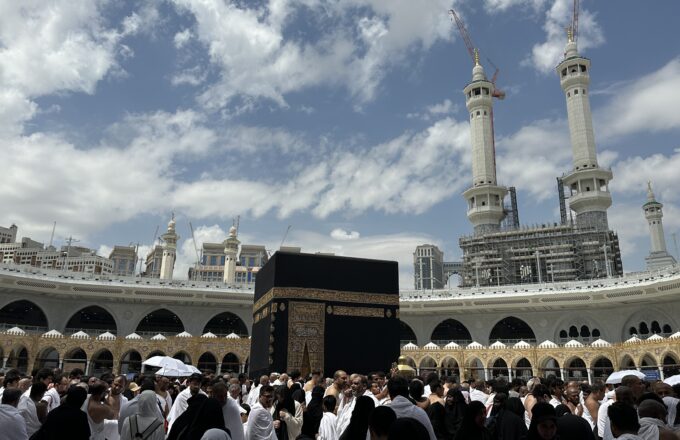
Quick answer: Hidden costs in Hajj Badal often include visa processing fees, currency exchange charges, Qurbani (Hady) expenses, “dam” penalty costs, travel insurance, and agency markups that sit outside the advertised price. Families can avoid these surprises by requesting an itemized quote, confirming what’s included in writing, and setting aside a 10–20% contingency fund.
When a family arranges a proxy pilgrimage for a deceased or incapacitated loved one, the focus is rightly on the spiritual reward—not the spreadsheet. Yet the gap between an advertised package price and the final amount paid can be wide, and many families discover the difference only after they’ve committed. This guide breaks down the hidden costs Hajj Badal arrangements often carry, explains the Islamic foundation for the practice, shares recent data on rising pilgrimage prices, and gives you practical steps to plan a sincere, financially sound journey for your loved one.
What is Hajj Badal and why do families choose it?
Hajj Badal, also called proxy Hajj, is the act of performing the pilgrimage to Mecca on behalf of someone who cannot perform it themselves. It applies to two groups: people who have passed away without completing this pillar of Islam, and those who are permanently unable to travel due to chronic illness, severe disability, or old age.
The practice rests on firm Islamic ground. The Quran obligates pilgrimage for those who are able: “Pilgrimage to the House is a duty owed to Allah by all who can make their way to it” (Surah Al Imran 3:97). For those who genuinely cannot, the Sunnah provides the framework. A well-known narration captures this clearly:
A woman asked the Prophet Muhammad (ﷺ): “May I perform Hajj on my mother’s behalf?” The Prophet replied, “Perform Hajj on her behalf. Had there been a debt on your mother, would you have paid it off? So pay off the debt owed to Allah, for He is more deserving that one should fulfill one’s obligations to Him.“
— Sahih al-Bukhari 1852
For most families, the motivation is deeply emotional. A son wants to complete the journey his late father always dreamed of. A daughter wants to honor a mother who grew too frail to travel. The reward is credited to the soul of the intended recipient, while the person performing the pilgrimage earns their own spiritual benefit for the service. That weight of love and duty is exactly why financial clarity matters—nobody wants a sacred act tangled in disputes over money.
What does the “advertised” Hajj Badal cost actually include?
Most Hajj Badal offers lead with a single headline figure. That number typically covers the basics: the proxy’s travel to Saudi Arabia, accommodation during the pilgrimage, and a service or agent fee.
The problem is that this initial figure can be misleading. Some packages quote only the registration deposit. Others list a “from” price that assumes the cheapest possible arrangements. A few exclude the Qurbani (the sacrificial offering required for Hajj al-Tamattu) entirely, leaving families to cover it separately.
For comparison, a transparent arrangement spells out the full structure upfront. One independent proxy service, for example, lists a US$250 registration fee to reserve a place, followed by a remaining balance of roughly US$5,500, with the required Qurbani included and no separate charge. That kind of itemized clarity is the exception, not the rule—which is why scrutinizing what sits beneath the headline price is essential.
What are the hidden costs in Hajj Badal that families overlook?
The real budget gaps tend to hide in four areas: travel logistics, administrative overhead, health, and personal incidentals. Here’s what to watch for.
Travel-related surprises
- Visa and processing fees: Application charges, biometric fees, and processing surcharges may sit outside the quoted package.
- Exchange rate fluctuations: Paying in a foreign currency exposes you to shifting rates and international transaction fees that can add several percent to the total.
- Local transport in Saudi Arabia: Movement between Mecca, Mina, Arafat, and Muzdalifah is sometimes only partially covered, leaving gaps the proxy pays out of pocket.
- Excess baggage charges: Airlines apply strict luggage limits, and overage fees can be steep.
Logistical and administrative overheads
- Documentation and attestation: Preparing, certifying, and attesting paperwork carries its own costs.
- Communication expenses: Local SIM cards and data plans are needed to deliver the photo and video updates families increasingly expect.
- Agency service fees beyond the basic package: Some agencies layer additional administrative charges onto the core price.
- Insurance: Travel, medical, and cancellation cover is often presented as optional—but skipping it can be a costly gamble.
Health and well-being considerations
- Vaccinations and health checks: Saudi authorities require specific vaccinations, and pre-travel medical checks add to the bill.
- Emergency medical expenses: If the proxy falls ill and insurance is thin, costs can escalate fast.
- Personal hygiene and comfort items: Small but real expenses across the pilgrimage period.
Personal and incidental expenditures
- Meals outside package provisions: Not every package covers all meals.
- The “dam” (penalty): If a ritual is missed or performed incorrectly, a compensatory sacrifice may be required. Reputable arrangements take personal accountability for any dam caused by the proxy’s own mistake—confirm who bears this cost before committing.
- Charity (Sadaqah): Many proxies give in charity during the journey.
- Contingency fund: Unexpected needs almost always arise.
How much does Hajj Badal cost in 2026, and why are prices rising?
Pilgrimage costs have climbed sharply, and Hajj Badal pricing moves with the broader market. The overall Hajj is now estimated to cost between $3,000 and $10,000 per person, depending on the pilgrim’s country of origin, according to Statista.
For pilgrims traveling from the United States, the numbers run higher. The Hajj cost from the USA in 2026 ranges from $9,000 to $25,000+, with budget packages starting around $9,000 and mid-range options sitting at $13,000–$17,000, per Muslim Planner.
External shocks add pressure too. The government of India hiked its Hajj package prices for citizens in 2026, citing soaring jet fuel prices linked to regional conflict, as reported by The New York Times. Fuel, accommodation, and currency movements all feed directly into what a proxy arrangement ends up costing.
The takeaway: a quote you receive months in advance may not hold. Build room for price movement into your plan rather than assuming today’s figure is locked.
How can families protect themselves from hidden Hajj Badal costs?
A little diligence upfront prevents painful surprises later. Use these steps before you commit a single payment.
- Vet the agency or individual thoroughly. Be alert—Hajj and Umrah scams are a documented problem. Check reviews, ask for references from previous clients, and confirm the proxy has completed their own obligatory Hajj.
- Request a detailed, itemized breakdown. Insist on seeing every line: travel, accommodation, Qurbani, visa, insurance, and service fees. If a provider resists itemizing, treat that as a warning sign.
- Confirm what’s included in writing. Verbal assurances don’t help if a dispute arises. Get inclusions and exclusions documented.
- Budget a contingency fund. Set aside an extra 10–20% above the quoted price to absorb exchange-rate shifts, baggage fees, or emergencies.
- Understand cancellation and refund policies. Know what you’d recover if circumstances change.
- Clarify accountability for the dam. Confirm in writing that the proxy will personally cover any penalty caused by their own mistake.
Choose a transparent, single-focus proxy over a high-volume agency if personal accountability and direct communication matter more to you than the lowest possible price. Choose an established agency if you prefer institutional structure and formal contracts. Either way, transparency should be non-negotiable.
What does Islam say about financial prudence in Hajj Badal?
Islam strongly encourages honest dealings and warns against both extravagance and waste. The Quran instructs believers to spend with balance:
“And do not spend wastefully. Surely the wasteful are like brothers to the devils.“
— Surah Al-Isra 17:26–27
The same principle frames the ideal of moderation:
“And those who, when they spend, are neither extravagant nor stingy, but hold a balance between the two.“
— Surah Al-Furqan 25:67
These verses don’t discourage spending on a sacred obligation—they discourage carelessness with money and dishonesty in transactions. Asking for an itemized quote, avoiding inflated “premium” packages that add little real value, and refusing to overpay are all expressions of this Islamic ethic. Financial prudence and spiritual sincerity work together, not against each other.
Frequently asked questions about Hajj Badal costs
How much should I budget for a Hajj Badal in total?
Plan for the quoted package price plus a 10–20% contingency. Given that broader Hajj costs range from roughly $3,000 to $25,000+ depending on origin and package tier, confirm your specific quote in writing and ask whether Qurbani, visa, and insurance are included before assuming the headline figure is complete.
Is the Qurbani (Hady) included in Hajj Badal packages?
Not always. The Qurbani required for Hajj al-Tamattu is a real cost that some providers exclude from their advertised price. Always confirm whether it’s covered. Transparent arrangements include it explicitly and state so in writing.
What is a “dam” and who pays for it?
A dam is a compensatory sacrifice required when a Hajj ritual is missed or performed incorrectly. If the error is the proxy’s own mistake, a trustworthy proxy should cover that cost personally. Get this commitment documented before you agree to anything.
How do I know if a Hajj Badal provider is legitimate?
Verify that the proxy has completed their own obligatory Hajj, ask for identity and visa verification, request references from past clients, and check independent reviews. Scams exist in this space, so never pay large sums without written terms and proof of eligibility.
Why are Hajj and Hajj Badal costs rising in 2026?
Higher jet fuel prices, increased accommodation costs, currency fluctuations, and regional instability have all pushed prices up. India, for example, raised its 2026 Hajj package prices citing fuel costs linked to regional conflict, per The New York Times.
Can Hajj Badal be performed for a living person?
Yes, but only under strict conditions of permanent physical incapacity—such as an incurable chronic illness, severe disability, or extreme old age—and the living person must explicitly authorize the proxy. The cost considerations remain the same as for a deceased person’s Hajj Badal.
A blessed journey, thoughtfully planned
Arranging Hajj Badal for a loved one is an act of profound devotion. The way to honor that devotion is to plan it with the same care you’d give any major financial decision—clear eyes, written terms, and an honest budget. Understanding the hidden costs Hajj Badal can carry doesn’t diminish the spiritual weight of the act; it protects it from stress, disputes, and disappointment.
Start by requesting an itemized quote from any provider you’re considering. Confirm what’s included, set aside a contingency fund, and verify eligibility and trustworthiness before paying. Do that, and you can focus on what truly matters: fulfilling a sacred obligation for someone you love, with sincerity and peace of mind.