
How Does the Hajj Qurbani Process Work for Proxy Badal?
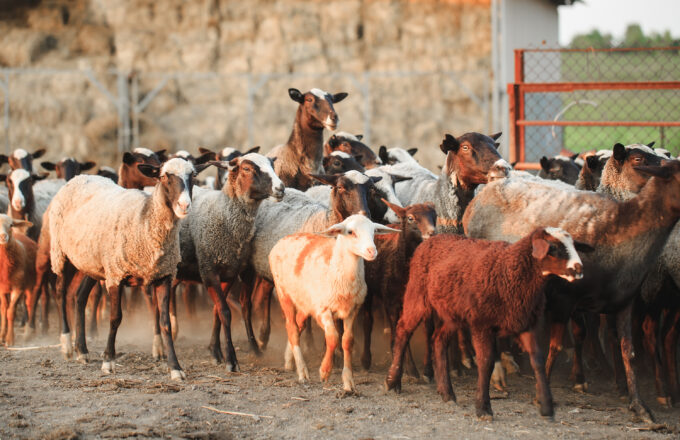
Quick answer: The Hajj Qurbani process requires sacrificing an animal during Eid al-Adha as part of Hajj al-Tamattu. Pilgrims or their proxies purchase a Qurbani voucher through verified channels like the official Adahi project, receive a Qurbani receipt for transparency, and the meat is distributed to global communities in need, fulfilling the sacred requirements of the pilgrimage.
Every year, millions of Muslims travel to Mecca to fulfill the pillar of Hajj, carrying the profound responsibility of the Qurbani sacrifice, a sacred act that symbolizes devotion and provides vital nourishment to those in need. For individuals who cannot perform the pilgrimage themselves due to chronic illness or death, Hajj Badal (proxy Hajj) offers a beautiful alternative, yet it raises important questions about how the associated qurbani-process is managed on their behalf. Understanding the intricacies of slaughter-and-distribution, verifying a qurbani-receipt, and ensuring ethical compliance are vital steps for anyone entrusting this sacred duty to a proxy. By exploring the strict Islamic guidelines, the modern administrative frameworks established by the Saudi Project for Utilization of Hajj Meat, and how-we-handle-qurbani with absolute transparency, you will gain the clarity needed to ensure this spiritual obligation is fulfilled flawlessly for your loved ones.
What is the step-by-step Qurbani process during Hajj?
The Hajj pilgrimage involves several distinct rituals, and the sacrifice of an animal is a foundational requirement for those performing Hajj al-Tamattu or Hajj al-Qiran. Understanding this framework ensures that the religious duty is honored correctly, whether you are performing the pilgrimage yourself or utilizing a proxy service.
Why is Qurbani a religious imperative for Hajj pilgrims?
The act of Qurbani (or Hady) commemorates the ultimate submission of Prophet Ibrahim (Abraham) when Allah commanded him to sacrifice his son, Ismail. Allah replaced Ismail with a ram, establishing a tradition of sacrifice that Muslims honor every year during Eid al-Adha. During Hajj, this sacrifice represents gratitude to Allah for allowing the pilgrim to complete the sacred journey.
The Quran explicitly mandates this practice and highlights its spiritual benefits.
Allah declares in Surah Al-Hajj:
“We have made sacrificial camels ˹and cattle˺ among the symbols of Allah, in which there is ˹much˺ good for you. So pronounce the Name of Allah over them…” (Quran 22:36).
The religious imperative is not just about the physical slaughter of an animal; it focuses heavily on the intention behind the act. The blood and meat do not reach Allah, but the piety of the believer does. For a pilgrim performing Hajj al-Tamattu (which involves performing Umrah, exiting Ihram, and then re-entering Ihram for Hajj), offering a sacrifice is a mandatory requirement to complete the pilgrimage successfully.
How do traditional slaughter methods compare to proxy Qurbani systems?
Historically, pilgrims would personally purchase an animal in Mecca and oversee the slaughter themselves. However, managing millions of animals within a few days presents severe logistical and sanitary challenges. Choose the traditional personal slaughter method if experiencing the physical act is paramount and you have the logistical means to handle the distribution in Mecca. Choose the proxy Qurbani system if efficiency, global charitable impact, and strict hygiene matter more to you.
Today, the Saudi government strictly regulates the process through the Saudi Project for Utilization of Hajj Meat (Adahi). Established by the Islamic Development Bank (IsDB), this official proxy system allows pilgrims to purchase digital vouchers. The Adahi project then handles the slaughter according to strict Sharia guidelines and manages the global distribution of the meat. The scale of this operation is immense. According to the Islamic Development Bank, during the 2024 Hajj season, the Adahi project successfully managed the slaughter of about a million livestock within 84 hours, distributing the meat to beneficiaries across 27 different countries (Islamic Development Bank, 2024).
How can you verify your sacrifice using Qurbani receipts and documentation?
When an individual pays for a sacrifice, especially through a proxy performing Hajj Badal, transparent documentation is the only way to confirm that the religious obligation was met. Proper record-keeping eliminates doubt and protects the spiritual integrity of the pilgrimage.
Why are proof and accountability essential for a valid sacrifice?
Trust is a core component of Islam, but accountability reinforces that trust. When a Muslim delegates a financial and spiritual duty—such as paying for a Qurbani voucher—they require proof that the funds were spent exactly as intended. Without verifiable documentation, a pilgrim risks leaving their Hajj al-Tamattu incomplete. A missing or invalid sacrifice mandates a penalty (Dam), which involves fasting for ten days (three days during Hajj and seven upon returning home). Because the stakes are incredibly high, securing a legitimate Qurbani receipt directly from the Saudi Adahi program or an authorized vendor is non-negotiable. This receipt acts as a binding confirmation that an animal was allocated and sacrificed in the pilgrim’s name.
How does our proxy service provide a valid Qurbani receipt?
For those relying on a Hajj Badal proxy, the transparency of the transaction relies entirely on the person performing the pilgrimage. In mass-booking agencies, Qurbani funds are often pooled, making it difficult to track individual sacrifices. Our approach to how-we-handle-qurbani fundamentally rejects this ambiguity.
When you secure our single Hajj Badal slot, the cost of the mandatory Hady/Qurbani is fully included in the transparent, upfront agreement. Once the digital voucher is purchased through the official Adahi platform, we immediately provide you with the official qurbani-receipt. This document contains specific tracking numbers and timestamps, allowing you to independently verify the transaction. By sharing these detailed records privately via direct communication, we ensure that you have undeniable proof of the completed sacrifice.
Who benefits from the distribution of sacrificial Hajj meat?
The sacrifice serves a dual purpose: spiritual devotion for the pilgrim and essential charity for the impoverished. The logistics of moving millions of pounds of meat from Mecca to vulnerable populations worldwide require incredible precision and adherence to Islamic law.
What are the Islamic guidelines for meat distribution?
Islamic tradition encourages dividing the sacrificial meat into three equal portions: one third for the person’s own family, one third for friends and relatives, and one third for the poor and needy. However, during Hajj, the vast majority of the meat is directed entirely toward charitable distribution. The primary objective is to feed the impoverished, particularly those who struggle to secure protein-rich meals throughout the year. The Saudi Project for Utilization of Hajj Meat ensures that the slaughter-and-distribution adheres strictly to these charitable mandates. Meat must be stored, frozen, and transported under strict health regulations so it reaches recipients safely, fulfilling the true charitable spirit of the Qurbani.
How does the Adahi project ensure ethical and timely distribution?
The Adahi project operates massive, modernized abattoirs in Mina, staffed by thousands of butchers, veterinarians, and Sharia scholars who monitor every single slaughter. The scholars ensure the animals meet the necessary age and health requirements, while veterinarians check for diseases. Once the animals are sacrificed, the meat is rapidly chilled and packed. Utilizing a global shipping network, the Adahi program distributes the meat to impoverished communities across Asia, Africa, and the Middle East. By leveraging this official system for your proxy pilgrimage, you guarantee that the meat from your sacrifice nourishes families in desperate need, maximizing the charitable reward of the Hajj Badal.
How does Qurbani for Badal fulfill the sacred proxy duty?
Hajj Badal allows the living to offer the ultimate act of devotion for those who cannot perform it themselves. Integrating the mandatory sacrifice into this proxy service requires a deep understanding of Islamic jurisprudence and meticulous execution.
What is the concept of Hajj Badal and its specific requirements?
Hajj Badal refers to the act of performing the Islamic pilgrimage to Mecca on behalf of another person. This practice is exclusively reserved for individuals who have passed away without fulfilling their obligation, or for living individuals who are permanently physically unable to travel due to chronic illness, severe disability, or extreme old age. The proxy performing the pilgrimage must be a sane, adult Muslim who has already completed their own obligatory (Fard) Hajj.
The legitimacy of this practice is firmly rooted in authentic Islamic tradition. In Sahih Bukhari, a woman from Juhaina (also narrated as Khath’am in similar traditions) asked Prophet Muhammad (PBUH) if she could perform Hajj for her deceased mother.
The Prophet replied:
“Yes, perform Hajj on her behalf. Do you not think that if your mother owed a debt you would pay it off? Pay off the debt owed to Allah, for Allah is more deserving that what is owed to Him should be paid.” (Sahih Bukhari 1852).
The primary religious merit of the pilgrimage is credited entirely to the soul of the intended recipient, clearing their spiritual debt.
How do we integrate Qurbani within the Hajj Badal service?
When performing Hajj al-Tamattu on behalf of someone else, the proxy assumes all the ritual obligations of the pilgrim, including the mandatory sacrifice. Providing qurbani-for-badal means the proxy must legally purchase and allocate the animal with the specific intention (Niyyah) that the sacrifice is being made on behalf of the incapacitated or deceased individual.
During our service, the intention is set explicitly for your loved one before entering the state of Ihram, and this intention carries through to the purchase of the Qurbani voucher. We manage the logistics entirely, meaning the family members at home do not need to navigate foreign payment portals or worry about fluctuating exchange rates. The entire process is integrated seamlessly into the Hajj Badal agreement, leaving zero room for logistical errors.
What makes our personal approach to Hajj Qurbani sincere and accountable?
Many proxy Hajj services operate as high-volume agencies, delegating tasks to hundreds of unnamed students or workers. This mass-booking approach inherently dilutes the personal responsibility required for such a significant spiritual trust (Amanah). We offer a completely different model.
How does the “Dam” (Penalty) guarantee protect your proxy pilgrimage?
In Islamic jurisprudence, if a pilgrim makes a procedural mistake during Hajj—such as violating a rule of Ihram or missing a mandatory ritual—they must offer a penalty sacrifice, known as “Dam.” In agency settings, if a hired proxy makes a mistake, the original family is rarely informed, and the penalty is often ignored, which severely jeopardizes the validity of the Hajj.
We take profound personal accountability for this journey. Because I perform the Hajj Badal personally, I offer a strict “Dam” guarantee. If any required penalty sacrifice becomes necessary due to an unintentional mistake or shortcoming on my part, I will personally finance and perform the Dam sacrifice. You will never be asked for additional funds, and you can rest assured that the pilgrimage remains spiritually intact.
Why do we focus on a single Hajj Badal slot for dedicated service?
Hajj Badal is a rigorous physical and spiritual endeavor. By accepting only a single individual for the entire 2027 Hajj season, I ensure that my complete focus, physical energy, and spiritual intention are dedicated solely to your loved one. I am a 32-year-old university graduate who completed my own Fard Hajj in 2025, making me fully eligible and physically capable of navigating the massive crowds and demanding rituals. We do not outsource to third parties. Through direct communication, you will receive live video calls, location updates, and verification photos directly from Mecca, keeping you deeply connected to the sacred journey from start to finish.
How can you uphold the trust of your sacred Hajj Badal journey?
Securing a proxy for Hajj Badal is one of the most significant spiritual investments a family can make. It requires absolute trust that the proxy will perform the Tawaf, navigate Mount Arafat, and execute the Qurbani process with the same devotion as if they were performing it for their own parents.
By insisting on transparent documentation like an official Qurbani receipt, verifying the credentials of your proxy, and avoiding mass-booking agencies, you protect the integrity of this beautiful Islamic provision. If you are seeking a sincere, accountable, and highly personal proxy to perform Hajj Badal for your loved one in 2027, explore our dedicated service. Secure your sacred Amanah today and ensure the debt owed to Allah is paid with the utmost respect, transparency, and devotion.
Frequently Asked Questions (FAQ)
What is the total cost of the Hajj Badal service including Qurbani?
The service begins with a US$250 registration fee to reserve your place. When official Hajj arrangements begin, the remaining balance of approximately US$5,500 is required. This total cost fully includes the mandatory Qurbani/Hady, with no hidden fees.
How long does the proxy Hajj and Qurbani process take?
The core rituals of Hajj, including the Qurbani, take place over five to six days during the Islamic month of Dhul-Hijjah. You will receive updates throughout this specific period, and the Qurbani receipt is provided immediately after the digital voucher is processed on the days of Eid al-Adha.
What are the risks of using mass-booking agencies for Hajj Badal?
Mass-booking agencies often outsource the pilgrimage to unknown third parties. The primary risks include a lack of transparent communication, pooled Qurbani funds without individual receipts, and the high possibility that procedural mistakes (requiring a Dam penalty) go unreported and unpaid, risking the validity of the Hajj.
What are the alternatives if I cannot afford a full Hajj Badal?
If Hajj Badal is financially out of reach, Muslims can perform Umrah Badal (proxy Umrah) for deceased or incapacitated loved ones, which is significantly more affordable and can be performed at any time of the year. Additionally, continuously offering sincere Dua (supplication) and giving ongoing charity (Sadaqah Jariyah) in their name brings immense spiritual reward.
Who exactly is eligible to have Hajj Badal performed on their behalf?
Hajj Badal is strictly for individuals who have passed away without completing their obligatory Hajj, or living individuals who are permanently incapacitated due to severe chronic illness, extreme old age, or permanent disability. Temporary illnesses do not qualify a living person for proxy Hajj.