
Master the Essential Hajj Prayers and Arabic Terms for Your Journey
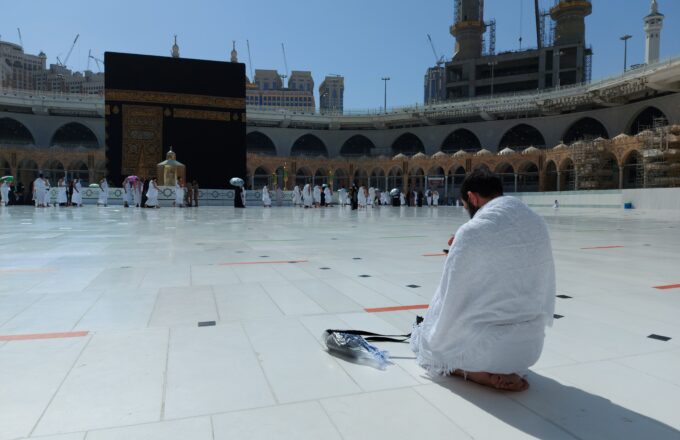
Every year, millions of Muslims travel to Mecca to fulfill one of the five pillars of Islam, with the General Authority for Statistics reporting a staggering 1,673,230 pilgrims participating in the recent 1446H Hajj season. Navigating this profound spiritual journey requires immense physical preparation alongside a deep understanding of specific Hajj prayers, rituals, and arabic terms that form the core of the pilgrimage. This comprehensive guide will equip you with the essential vocabulary, invocations, and tasbeeh terms needed to perform your rites with confidence, while also exploring the profound concepts of personal devotion and proxy pilgrimage (Hajj Badal) for those unable to make the journey themselves.
The Importance of Arabic in Hajj Rituals
Arabic serves as the liturgical language of Islam. It is the language in which the Quran was revealed to Prophet Muhammad (PBUH), making it the unifying tongue for Muslims across the globe. When pilgrims gather in Mecca, they come from countless linguistic backgrounds, yet they stand shoulder-to-shoulder, reciting the same ancient prayers in the exact same phrasing.
Understanding the Arabic vocabulary used during Hajj elevates the experience from a physical exercise to a deeply conscious spiritual awakening. While Allah accepts prayers in any language, reciting the traditional Arabic invocations connects you directly to the traditions of the Prophet. Recognizing these words allows you to comprehend the gravity of each ritual. Instead of merely repeating sounds, you actively engage with the profound declarations of faith, repentance, and submission that have echoed through the valleys of Mecca for centuries.
Essential Arabic Terms for Hajj
Familiarizing yourself with the core terminology ensures you understand the logistical and spiritual steps of the pilgrimage. These arabic terms are categorized by the specific stages of the journey.
Terms Related to Ihram and Intention
- Ihram (إِحْرَام): The sacred state a Muslim must enter before performing Hajj or Umrah. It involves specific physical cleansing, wearing simple white garments (for men), and abstaining from certain actions like cutting hair or wearing perfume.
- Niyyah (نِيَّة): The conscious intention made in the heart to perform an act of worship. For Hajj, declaring your Niyyah is the formal entry into the state of Ihram.
- Miqat (مِيقَات): The designated geographical boundaries that pilgrims must not cross without being in the state of Ihram.
Terms Related to Tawaf and Sa’i
- Tawaf (طَوَاف): The act of circumambulating the Kaaba seven times in a counter-clockwise direction. It is a mandatory ritual representing the unity of believers worshiping the One God.
- Mataf (مَطَاف): The open white area immediately surrounding the Kaaba where the Tawaf takes place.
- Sa’i (سَعْي): The ritual walking and running between the hills of Safa and Marwah seven times, honoring the struggle of Hajar (the wife of Prophet Ibrahim) as she searched for water for her infant son, Ismail.
Terms Related to Arafat and Muzdalifah
- Wuquf (وُقُوف): Meaning “standing,” this refers specifically to the time spent standing in prayer and supplication on the plains of Arafat. It is the most critical pillar of Hajj.
- Arafat (عَرَفَات): The plain located outside Mecca where pilgrims gather on the 9th of Dhul-Hijjah to seek forgiveness.
- Muzdalifah (مُزْدَلِفَة): An open area near Mecca where pilgrims travel after sunset on the Day of Arafat. Here, they pray, sleep under the stars, and collect pebbles for the stoning ritual.
Terms Related to Rami (Stoning)
- Rami (رَمْي): The symbolic throwing of pebbles at three pillars in Mina, representing Prophet Ibrahim’s rejection of the devil’s temptations.
- Jamarat (جَمَرَات): The three stone pillars located in Mina that are the targets during the Rami ritual. They are known as Jamarah al-Aqabah (the largest), Jamarah al-Wusta (the middle), and Jamarah al-Sughra (the smallest).
General Terms and Phrases
- Hady (هَدْي): The animal sacrifice (usually a sheep, goat, or cow) offered by pilgrims, commemorating Prophet Ibrahim’s willingness to sacrifice his son in obedience to Allah.
- Halq (حَلْق) and Taqsir (تَقْصِير): Halq refers to the complete shaving of the head, while Taqsir refers to the trimming of the hair. This act symbolizes spiritual rebirth and the exit from the state of Ihram.
Key Prayers (Du’a) During Hajj
A significant portion of the pilgrimage involves supplication. Memorizing these specific Hajj prayers allows you to focus fully on your connection with Allah during the physical rites.
Du’a for Entering Ihram
When entering the state of Ihram, pilgrims recite the Talbiyah, which is a continuous declaration of presence and submission to Allah.
Arabic: لَبَّيْكَ اللَّهُمَّ لَبَّيْكَ، لَبَّيْكَ لاَ شَرِيكَ لَكَ لَبَّيْكَ، إِنَّ الْحَمْدَ، وَالنِّعْمَةَ، لَكَ وَالْمُلْكَ، لاَ شَرِيكَ لَكَ
Transliteration: Labbayka Allahumma labbayk, labbayka la sharika laka labbayk. Innal-hamda wan-ni’mata laka wal-mulk, la sharika lak.
Meaning: Here I am, O Allah, here I am. Here I am, You have no partner, here I am. Verily all praise and blessings are Yours, and all sovereignty, You have no partner.
Du’a During Tawaf
While you can recite any personal prayer during Tawaf, it is a prophetic tradition to recite a specific supplication when walking between the Yemeni Corner and the Black Stone (Hajar al-Aswad) on each circuit.
Arabic: رَبَّنَا آتِنَا فِي الدُّنْيَا حَسَنَةً وَفِي الآخِرَةِ حَسَنَةً وَقِنَا عَذَابَ النَّارِ
Transliteration: Rabbana atina fid-dunya hasanatan wa fil-akhirati hasanatan wa qina ‘adhaban-nar.
Meaning: Our Lord, give us in this world [that which is] good and in the Hereafter [that which is] good and protect us from the punishment of the Fire.
Du’a During Sa’i
Upon approaching the hill of Safa to begin the Sa’i, pilgrims traditionally recite a verse from the Quran acknowledging the sanctity of the location.
Arabic: إِنَّ الصَّفَا وَالْمَرْوَةَ مِن شَعَائِرِ اللَّهِ
Transliteration: Innas-safa wal-marwata min sha’airillah.
Meaning: Indeed, Safa and Marwah are among the symbols of Allah.
Du’a on the Day of Arafat
The Prophet Muhammad (PBUH) stated that the best supplication is the one made on the Day of Arafat. This declaration of monotheism should be repeated frequently throughout the afternoon.
Arabic: لاَ إِلَهَ إِلاَّ اللَّهُ وَحْدَهُ لاَ شَرِيكَ لَهُ، لَهُ الْمُلْكُ وَلَهُ الْحَمْدُ، وَهُوَ عَلَى كُلِّ شَىْءٍ قَدِيرٌ
Transliteration: La ilaha illallahu wahdahu la sharika lah, lahul-mulku wa lahul-hamdu, wa huwa ‘ala kulli shai’in qadir.
Meaning: There is no deity worthy of worship except Allah alone, without partner. To Him belongs the dominion, and to Him is all praise, and He is over all things competent.
Du’a During Rami
With each pebble thrown at the Jamarat, pilgrims utter a short, powerful phrase affirming the greatness of Allah and rejecting evil.
Arabic: بِسْمِ اللهِ، وَاللهُ أَكْبَرُ
Transliteration: Bismillahi, wallahu akbar.
Meaning: In the name of Allah, and Allah is the Greatest.
Understanding Tasbeeh and its Significance
The remembrance of Allah (Dhikr) is a constant requirement during Hajj. Tasbeeh refers to the glorification of Allah through specific repetitive phrases. These tasbeeh terms act as spiritual anchors, keeping the pilgrim’s mind focused on the divine amidst the physical exhaustion and massive crowds.
Common Tasbeeh Terms and Phrases
- SubhanAllah (سُبْحَانَ ٱللَّٰهِ): “Glory be to Allah.” This phrase acknowledges Allah’s perfection and His distance from any flaw or imperfection.
- Alhamdulillah (ٱلْحَمْدُ لِلَّٰهِ): “All praise is due to Allah.” This expresses deep gratitude for the physical ability, financial means, and spiritual invitation to perform the pilgrimage.
- Allahu Akbar (ٱللَّٰهُ أَكْبَرُ): “Allah is the Greatest.” This reminds the pilgrim that Allah is greater than any worldly concern, hardship, or distraction.
The Spiritual Impact of Tasbeeh
Repeating these phrases creates a rhythmic meditation. When thousands of pilgrims chant these words simultaneously while moving between holy sites, it fosters an overwhelming sense of unity and humility. The constant tasbeeh cleanses the heart of arrogance and refocuses the intellect on the sheer majesty of the Creator. It transforms the waiting periods—such as sitting in tents in Mina or walking the long roads to Arafat—into highly rewarded acts of worship.
The Role of Personal Devotion and Sincerity
The physical actions of Hajj hold no weight without profound internal sincerity. Every prayer uttered, every pebble thrown, and every step taken between Safa and Marwah must be fueled by a genuine desire to seek Allah’s pleasure.
Focusing on Individual Connection to Allah
Hajj strips away worldly status. Stripped of designer clothes, professional titles, and social hierarchies, the individual stands entirely equal to the millions surrounding them. This physical leveling forces a deep internal reflection. Your individual connection to Allah is cultivated through silent, personal prayers poured out during the Wuquf at Arafat, where tears of repentance wash away a lifetime of spiritual burdens.
The Concept of Hajj Badal and its Requirements
Because Hajj requires immense physical and financial capability, Islam provides a beautiful mechanism for those who are physically incapable of undertaking the journey. This is known as Hajj Badal, or proxy Hajj.
The Quran establishes the baseline obligation:
“And [due] to Allah from the people is a pilgrimage to the House – for whoever is able to find thereto a way.” (Surah Al Imran 3:97)
For those permanently unable to find a way due to chronic illness, extreme old age, or death, another competent Muslim can perform the pilgrimage on their behalf. The permissibility of this act is deeply rooted in prophetic tradition. In one famous instance, a woman asked Prophet Muhammad (PBUH) if she could perform Hajj for her deceased mother.
He explicitly validated the practice, stating:
“Yes, perform Hajj on her behalf. Do you not think that if your mother owed a debt you would pay it off? Pay off the debt owed to Allah, for Allah is more deserving that what is owed to Him should be paid.” (Sahih Bukhari 1852)
Performing Hajj Badal is a massive responsibility (Amanah) and carries strict Islamic rulings to ensure validity:
- Prior Completion: The proxy must have completely fulfilled their own obligatory (Fard) Hajj before they can represent someone else.
- Permanent Incapacity: Proxy Hajj cannot be done for someone who is simply busy or facing a temporary illness. The recipient must be deceased or suffering from an incurable, permanently debilitating condition.
- Single Representation: A proxy may only perform the pilgrimage for one specific individual during a single Hajj season.
- Sincere Intention: The surrogate must explicitly state their intention (Niyyah) to perform the rites on behalf of the designated person.
Because of these stringent requirements, services facilitating Hajj Badal must operate with maximum transparency. Authentic providers focus on highly personal, one-to-one representation—refusing to utilize mass-booking agency models—to ensure the proxy is physically capable, Islamically eligible, and fully dedicated to completing the sacred trust with the utmost sincerity.
Embracing the Spiritual Journey
Preparing for Hajj requires far more than packing a suitcase and booking a flight. It demands an intellectual and spiritual readiness rooted in the language of the rituals. By mastering these essential Hajj prayers, internalizing the meaning behind key Arabic terms, and understanding the profound grace of systems like Hajj Badal, you position yourself to extract the maximum spiritual benefit from this journey of a lifetime. Let these sacred words guide your steps, purify your intentions, and elevate your soul as you answer the ultimate call to the House of Allah.