
Hajj 2026: Essential Saudi Policy Updates and Entry Rules
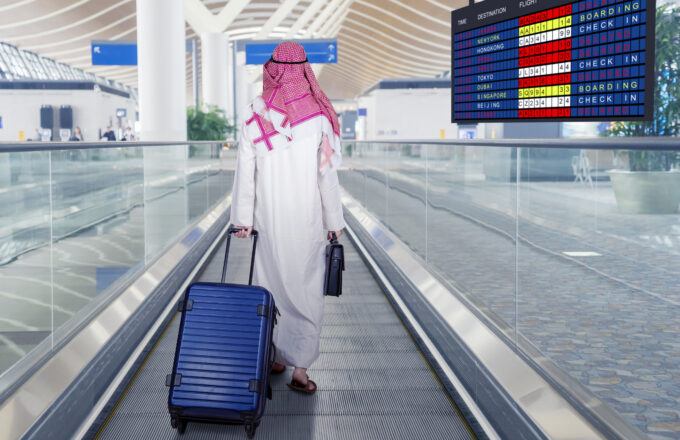
The sacred journey of Hajj represents the pinnacle of spiritual fulfillment for Muslims globally, but successfully undertaking this pilgrimage in 2026 requires strict adherence to newly implemented saudi updates and hajj policy changes. As Saudi Arabia modernizes its infrastructure to accommodate millions of pilgrims while ensuring public health through rigorous safety regulations, understanding the latest visa requirements, age restrictions, and the digitized Nusuk platform is more critical than ever. This comprehensive guide outlines everything you need to know about the updated regulations, travel logistics, and the specific Islamic rulings surrounding proxy pilgrimages (Hajj Badal), providing you with the clarity needed to prepare for a spiritually rewarding and legally compliant journey to the Holy Cities.
Understanding Hajj Badal: A Personal and Sincere Proxy Pilgrimage
The Essence of Hajj Badal in Islamic Tradition
Hajj Badal, commonly known as proxy Hajj, is the profound act of performing the pilgrimage to Mecca on behalf of another individual. This practice centers on the Islamic principle of substitution for those who are religiously obligated to perform Hajj but are entirely unable to do so themselves. It is specifically reserved for two categories of Muslims: those who have passed away without fulfilling their religious duty, and living individuals who are permanently incapacitated due to chronic illness, severe physical disability, or extreme old age. The essence of this proxy pilgrimage lies in its sincerity and devotion. The primary spiritual merit of the journey is credited entirely to the soul of the intended recipient, ensuring that this fundamental pillar of Islam is fulfilled despite physical limitations or death.
Eligibility and Sincerity: Key Considerations for Hajj Badal
To maintain the sanctity of Hajj Badal, Islamic jurisprudence outlines strict eligibility requirements for the proxy. The most crucial condition is that the representative must have already completed their own Fard (obligatory) Hajj. A Muslim cannot fulfill this duty for someone else if they have a pending obligation to Allah themselves. Furthermore, the proxy must be a sane, adult Muslim who possesses the physical and mental stamina required to navigate the rigorous rituals of Hajj.
Sincerity, or Niyyah (intention), forms the core of this undertaking. The representative must make a clear intention to perform the pilgrimage specifically on behalf of the designated person. While mass-booking agencies exist, many scholars and families prefer a single, dedicated proxy who accepts only one Hajj Badal assignment per season. This ensures the responsibility is carried out with absolute focus, accountability, and the spiritual gravity the Amanah (trust) demands.
Recent Saudi Hajj Policy Updates for 2026
Visa Regulations and Application Process
The Saudi government has introduced stringent new visa regulations for the upcoming pilgrimage seasons to combat illegal entry and overcrowding. According to recent announcements reported by The Times of India, authorities will strictly enforce permit requirements. Individuals caught attempting to perform Hajj without a valid permit face a massive fine of SAR 20,000, immediate deportation, and a 10-year ban from re-entering the Kingdom. Additionally, Saudi authorities have established a minimum age requirement of 15 years for pilgrims during the upcoming seasons. These saudi updates are designed to ensure that all attendees are legally documented, physically mature enough to handle the crowds, and fully integrated into the official logistical framework.
Health and Safety Protocols: Ensuring a Safe Pilgrimage
Protecting the well-being of millions of international travelers requires comprehensive safety regulations. The Saudi Ministry of Health has updated its vaccination mandates for the 2025 and 2026 seasons. All prospective pilgrims must provide documented proof of vaccination against meningococcal disease. Furthermore, travelers are heavily advised, and in some regional cases required, to receive updated seasonal influenza and COVID-19 vaccinations before entering the country. These medical prerequisites are vital for preventing outbreaks in the densely populated environments of Mecca and Medina.
Quota System and Allocation for International Pilgrims
The management of crowd density relies heavily on the international quota system. Historically based on the metric of one pilgrim per thousand Muslims in a given country’s population, the quota system determines exactly how many visas are allocated globally. For 2026, the Saudi government continues to collaborate with foreign ministries and approved travel syndicates to distribute these slots fairly. This highly regulated allocation highlights the importance of applying early through official channels, as the demand for Hajj visas consistently outpaces the permitted supply.
Digitalization of Hajj Services: E-Hajj Portal and Nusuk Platform
Saudi Arabia has rapidly accelerated the digitalization of religious tourism. The official Nusuk platform now serves as the central hub for pilgrims worldwide. This e-portal integrates visa applications, accommodation bookings, and permit verification into a single digital ecosystem. For those arranging a proxy Hajj, the Nusuk platform adds a layer of transparency. A dedicated proxy can share their verified Nusuk ID card and Hajj visa with the commissioning family, providing undeniable proof of their legal status and readiness to perform the pilgrimage.
Entry Requirements and Travel Logistics for Hajj 2026
Airline and Travel Restrictions
Traveling to Saudi Arabia for Hajj involves specific routing regulations. International pilgrims must arrive through officially designated gateways, primarily King Abdulaziz International Airport in Jeddah and Prince Mohammad bin Abdulaziz International Airport in Medina. During the Hajj season, airlines operate under strict mandates from the General Authority of Civil Aviation (GACA). Only passengers holding valid Hajj visas are permitted to board flights bound for these airports during the designated entry window, preventing logistical bottlenecks and ensuring unauthorized travelers are turned away before departure.
Accommodation and Transportation within Saudi Arabia
The Saudi government has heavily invested in modernizing infrastructure to support the massive influx of visitors. Accommodations in Mecca are zoned and strictly regulated for safety and capacity limits. Transportation has also seen massive upgrades, notably the Haramain High-Speed Railway, which connects Mecca, Medina, and Jeddah. During the days of Hajj, pilgrims rely on the highly coordinated bus networks to move between Mina, Arafat, and Muzdalifah. These transport systems are heavily monitored to align with the latest hajj policy directives, ensuring smooth and safe transit.
Financial Planning and Cost Management
Undertaking the pilgrimage requires substantial financial preparation. The cost of a standard Hajj package varies drastically based on the pilgrim’s country of origin, travel distance, and chosen accommodation tier. For those organizing Hajj Badal through a dedicated, independent proxy, the costs are generally more predictable. A typical arrangement might require an initial registration fee of around US$250, followed by a final payment of approximately US$5,500 once official preparations commence. This fee typically covers the proxy’s time, domestic travel, necessary permits, and the mandatory Qurbani (sacrifice).
The Role of Personal Hajj Badal Services in Navigating New Policies
Advantages of a Single, Dedicated Hajj Badal Performer
Navigating the complexities of modern proxy pilgrimage has led many families to seek out individual, dedicated representatives rather than large corporate agencies. Hiring a single Muslim individual who accepts only one Hajj Badal assignment per year ensures unparalleled focus. A dedicated proxy—such as a verified professional with a documented Fard Hajj completion—can offer direct communication, providing families with peace of mind. Without the distraction of managing dozens of clients, a single performer can dedicate their entire physical and spiritual energy to fulfilling the sacred trust for your specific loved one.
Ensuring Islamic Compliance and Sincerity
When hiring a proxy, families must guarantee that the rituals are performed precisely according to Islamic jurisprudence. A dedicated representative typically performs Hajj al-Tamattu, which involves completing Umrah first, exiting the state of Ihram, and then re-entering Ihram for Hajj. A personal proxy facilitates total transparency. They can share live updates, location pins, and photographs from the Holy Sites when appropriate, keeping the commissioning family deeply connected to the spiritual journey being undertaken on their behalf.
The “Dam” (Penalty) Guarantee and its Significance
In Islamic jurisprudence, if a pilgrim makes an unintentional error or violates certain rules of Ihram during Hajj, they must offer a “Dam” (a penalty sacrifice of a sheep or goat) to expiate the mistake. A hallmark of a highly accountable Hajj Badal service is the “Dam Guarantee.” This means the proxy assumes full personal responsibility for their actions. If a penalty becomes necessary due to the proxy’s shortcoming, they pay for the expiation out of their own pocket, ensuring the commissioning family faces no hidden costs and the pilgrimage remains spiritually intact.
Data and Statistics: Impact of Policy Changes on Hajj Participation
Analyzing Recent Hajj Numbers and Trends
Understanding the scale of Hajj requires looking at recent data. According to a comprehensive publication by the Saudi General Authority for Statistics, the 2024 pilgrimage hosted an astonishing 1,833,164 total pilgrims. Notably, external pilgrims accounted for 87.9% of this total. This massive international presence illustrates why strict permit enforcement and automated digital systems have become absolute necessities. By tightly controlling the total volume of attendees, authorities can mitigate the risks of stampedes and health crises that have historically posed challenges.
Economic Implications of Hajj Policy Shifts
The regulation of Hajj and Umrah is a cornerstone of Saudi Arabia’s Vision 2030 initiative. As reported by Salaam Gateway, the Kingdom welcomed over 18.5 million religious tourists in 2024. The long-term economic goal of Vision 2030 is to comfortably host 30 million Umrah and Hajj pilgrims annually. Achieving this target relies entirely on the successful implementation of the new hajj policy frameworks, which stimulate economic growth through private sector partnerships, infrastructure development, and modernized hospitality services.
Islamic Perspectives on Hajj and Facilitating the Pilgrimage
Quranic Verses and Hadith on the Importance of Hajj
The obligation of Hajj is firmly rooted in the divine text of the Quran. Allah commands the capable believers in Surah Ali ‘Imran 3:97:
“Pilgrimage to this House is an obligation by Allah upon whoever is able among the people.”For those who are deceased or physically unable, the Prophet Muhammad (Peace Be Upon Him) established the practice of proxy pilgrimage. A profoundly clear validation of this practice is found in Sahih Bukhari 1852, where a woman from the Juhaina tribe asked if she could perform Hajj for her deceased mother who had made a vow. The Prophet replied:
“Yes, perform Hajj on her behalf. Do you not think that if your mother owed a debt you would pay it off? Pay off the debt owed to Allah, for Allah is more deserving that what is owed to Him should be paid.”
The Role of Technology in Modern Hajj Management
While the rituals of Hajj have remained unchanged for over fourteen centuries, the facilitation of the journey has evolved dramatically. The integration of modern technology serves to protect the sanctity of the pilgrimage. By utilizing digital verification, electronic health records, and global tracking systems, authorities can ensure that every individual standing on the plains of Arafat is doing so safely and legally. Technology bridges the gap between ancient theological obligations and modern logistical necessities.
Preparing for Hajj 2026 and Beyond
Key Takeaways for Prospective Pilgrims
As the 2026 Hajj season approaches, preparation is your greatest asset. Ensure your passport is valid, familiarize yourself with the Nusuk platform, and consult with local health authorities regarding the required vaccinations. If you are arranging a Hajj Badal for a loved one, begin your search for a qualified, sincere proxy early. Demand direct communication, ask for proof of their prior Fard Hajj completion, and ensure they fully understand the theological weight of the Amanah they are accepting.
The Future of Hajj: Accessibility and Modernization
The landscape of the Islamic pilgrimage is changing rapidly. The continuous refinement of safety regulations and strict enforcement of the latest saudi updates point toward a future where Hajj is safer, more organized, and highly efficient. While these stringent rules may seem daunting initially, they ultimately serve to protect the pilgrims and preserve the spiritual integrity of the journey. By staying informed and preparing meticulously, Muslims worldwide can continue to fulfill their divine obligations with confidence and peace of mind.