
Deciding on Proxy Hajj for a Loved One: A Complete Checklist
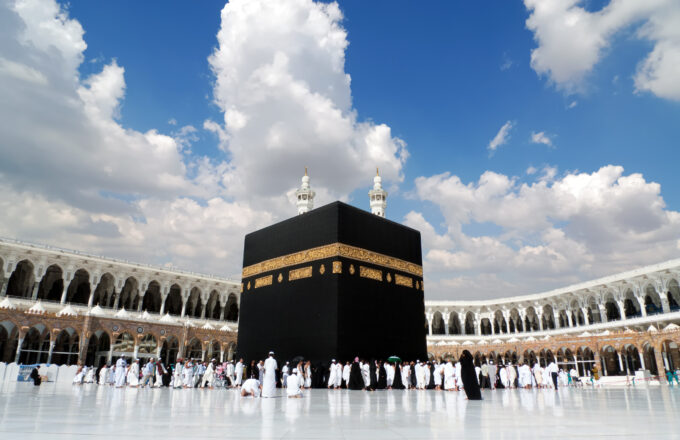
Fulfilling the fifth pillar of Islam is a profound spiritual milestone, but when a beloved family member cannot undertake the journey themselves, making a proxy hajj decision can feel overwhelming. Hajj Badal, the act of performing the pilgrimage on behalf of someone who is permanently incapacitated or deceased, offers a beautiful avenue to secure their spiritual reward. To help you navigate this sacred responsibility with confidence and clarity, we have created a comprehensive decision checklist that breaks down Islamic eligibility criteria, proxy qualifications, and essential family planning steps to ensure the pilgrimage is performed correctly and sincerely.
Understanding Proxy Hajj (Hajj Badal) Eligibility
Hajj Badal rests on the principle of substitution. Islamic jurisprudence allows a capable Muslim to perform the pilgrimage rituals on behalf of someone who is Islamically obligated to perform Hajj but cannot physically do so. The primary objective is to fulfill a religious duty that would otherwise remain incomplete.
However, not everyone qualifies to have a proxy perform Hajj for them. The inability to travel must be permanent. Temporary illness, a busy work schedule, or minor financial constraints do not justify using a proxy. The individual must fall into one of three specific categories: they have passed away without completing their obligatory Hajj, they suffer from a chronic and incurable illness, or they are experiencing extreme frailty due to old age.
If the person is still living, they must possess the financial means to fund the proxy’s journey and provide explicit consent for the representative to perform the rituals on their behalf. If the person has passed away, the financial obligation often falls to their estate or their surviving children as an act of continuous charity and filial piety.
Recent Trends and Statistics in Hajj Attendance
The global pilgrimage landscape has shifted significantly over the past few years, impacting how families approach their Hajj planning. Understanding these trends can help you make an informed decision regarding timing and logistics.
Recent data highlights the massive scale of the annual pilgrimage. According to the Saudi General Authority for Statistics, more than 1.83 million pilgrims successfully performed Hajj in 2024, with nearly 90% arriving from outside the Kingdom. The following year, official data recorded approximately 1.67 million internal and external pilgrims navigating the holy sites.
As the overall number of global pilgrims remains high, the demand for dedicated, trustworthy Hajj Badal services has increased. Families are seeking reliable proxies who are not part of massive, impersonal agencies, but rather independent individuals who dedicate their entire journey to one specific soul. With the implementation of new digital systems like the Nusuk platform, verifying a proxy’s credentials and securing legal entry into Mecca has become more transparent, offering families greater peace of mind.
The Ultimate Proxy Hajj Decision Checklist
Making a hajj decision for a relative requires careful evaluation. Use this four-part decision checklist to ensure every spiritual and logistical requirement is met before making a financial commitment.
Section 1: Assessing the Loved One’s Eligibility
Before looking for a representative, you must confirm that your family member meets the strict Islamic criteria for proxy representation.
- Confirm permanent physical incapacity. If the individual is living, consult with medical professionals to ensure their illness or disability is chronic and prevents them from enduring rigorous travel.
- Verify their financial capability. The obligation of Hajj only falls upon those who have the wealth to afford it.
- Check for a Wasiyyah (Islamic Will). If the loved one has passed away, check if they left specific instructions or funds allocated for Hajj Badal.
- Obtain verbal or written consent. If the person is alive but bedridden, they must clearly state their intention to appoint a specific proxy.
Section 2: Evaluating the Proxy Performer
The validity of the pilgrimage relies heavily on the qualifications and sincerity of the person performing it.
- Confirm prior Hajj completion. The proxy must have already completed their own obligatory (Fard) Hajj. Ask to see proof, such as a previous Hajj visa or a Nusuk ID card.
- Verify their Islamic knowledge. The representative should be a sane, adult Muslim who intimately understands the rituals of Hajj al-Tamattu, Hajj al-Ifrad, or Hajj al-Qiran.
- Ensure single representation. A proxy can only perform Hajj for one person per season. Confirm that they are not taking on multiple proxy contracts simultaneously.
- Evaluate physical fitness. The rituals of Hajj require immense stamina. Ensure the proxy is healthy enough to complete the walking, standing at Arafat, and the stoning of the Jamarat without issue.
Section 3: Financial and Logistical Considerations
Hajj Badal involves a significant financial exchange. Transparency regarding costs and inclusions is critical to avoid misunderstandings.
- Establish a clear budget. Costs typically range from $1,700 to $5,500 USD depending on the proxy’s location, the country of origin, and the level of service provided.
- Confirm Qurbani inclusions. Hajj al-Tamattu requires an animal sacrifice (Hady/Dam). Ensure your written agreement explicitly states whether the cost of this sacrifice is included in the total fee.
- Discuss the penalty (Dam) guarantee. If the proxy makes a mistake during the rituals that requires an expiatory sacrifice, clarify who is financially responsible. A sincere proxy will often cover this personally.
- Agree on communication methods. Decide how the proxy will provide updates. Will they send photos, share their live location, or initiate video calls from Mount Arafat?
Section 4: Ensuring Spiritual Integrity
Beyond logistics, the spiritual intention (Niyyah) forms the foundation of an accepted pilgrimage.
- Confirm the specific intention. The proxy must explicitly state the intention to perform Hajj on behalf of your specific loved one (e.g., “Labbayk Allahumma Hajj an [Name]”).
- Discuss voluntary Umrah. Some dedicated proxies offer a bonus voluntary Umrah prior to or after the Hajj rituals as a gesture of goodwill. Clarify if this is part of the arrangement.
- Avoid commercialized agencies. Look for individuals who treat the proxy pilgrimage as a sacred trust (Amanah) rather than a volume-based business transaction.
The Role of Family Planning in Your Hajj Decision
When a parent or elder passes away without having completed their pilgrimage, organizing Hajj Badal rarely falls on just one person. It requires cohesive family planning. This process serves as a beautiful opportunity for siblings and relatives to unite over a shared spiritual goal.
Effective family planning starts with an open conversation about the deceased’s estate. In Islamic inheritance law, paying off debts to Allah—including unpaid Zakat and unperformed obligatory Hajj—takes precedence over distributing wealth to the heirs. Families should hold a meeting to review the estate, calculate the available funds, and set aside the necessary budget for a proxy.
If the deceased did not leave behind enough wealth, family planning shifts toward collective contribution. Siblings might choose to pool their personal savings to cover the proxy’s expenses. During these discussions, families must also decide who will lead the search for a qualified representative and handle the ongoing communication. Approaching this process collaboratively ensures transparency, prevents familial disputes over money, and multiplies the blessings for everyone involved.
Quranic Verses and Hadith Validating Hajj Badal
The practice of proxy Hajj is deeply rooted in Islamic texts. Understanding these foundational sources can bring immense comfort to families seeking to fulfill this duty.
The Quran outlines the universal obligation of the pilgrimage for those with the capacity to perform it.
Allah states:
“And [due] to Allah from the people is a pilgrimage to the House – for whoever is able to find thereto a way.” (Surah Al Imran 3:97).
While the Quran establishes the rule, the Sunnah of Prophet Muhammad (peace be upon him) provides the exception for those who lack physical ability. A highly cited narration in Sahih Bukhari features a woman from the tribe of Juhaynah who approached the Prophet seeking advice about her deceased mother.
The Prophet (peace be upon him) instructed her:
“Yes, perform Hajj on her behalf. Do you not think that if your mother owed a debt you would pay it off? Pay off the debt owed to Allah, for Allah is more deserving that what is owed to Him should be paid.” (Sahih Bukhari 1852).Similarly, the ruling applies to living individuals facing severe old age. A man once came to the Prophet explaining his father’s condition.
“O Messenger of Allah, the obligation of Hajj from Allah has come when my father is an old man and cannot sit firmly on a mount. Can I perform Hajj on his behalf?” He said: “Yes.” (Sahih Muslim 1334).
These authentic narrations firmly establish proxy Hajj as an act of mercy, allowing the vulnerable to meet their religious obligations through the physical efforts of another.
Real-Life Examples of Hajj Badal
To better understand how this process unfolds practically, consider these anonymized case studies based on common family experiences.
Fulfilling a Mother’s Vow
Aisha’s mother had always dreamed of seeing the Kaaba but passed away suddenly before she could secure a travel visa. While mourning, Aisha discovered that her mother had saved a modest sum specifically for the journey. Using our decision checklist, Aisha verified her mother’s eligibility and began searching for a proxy. She found a reliable university student residing in Saudi Arabia who had completed his own Hajj the previous year. Through careful family planning, Aisha and her brothers used their mother’s savings to fund the proxy. The student sent them a video making the intention on their mother’s behalf at the Miqat, bringing the entire family a profound sense of closure.
Assisting an Elderly Father
Omar’s father was entirely bedridden due to a severe neurological condition. Though he possessed the financial means to travel, his doctors strictly prohibited any movement. Understanding that his father’s inability was permanent, Omar sought his father’s permission to arrange Hajj Badal. They selected an independent professional who offered personalized updates. During the Day of Arafat, the proxy initiated a brief voice call, allowing Omar’s father to hear the supplications being made in his name. This act of religious devotion deeply uplifted his father’s spirits during his final years.
Frequently Asked Questions (FAQ)
Can a woman perform Hajj Badal for a man?
Yes. Islamic jurisprudence does not restrict proxy performers based on gender. A qualified female who has completed her own obligatory Hajj can serve as a proxy for a male, and a male can serve as a proxy for a female.
Do we receive a certificate after the proxy Hajj is completed?
Many reputable individuals and services provide a written or digital certificate of completion. However, the most vital proofs are the real-time updates, photos, and the proxy’s documented presence at the holy sites during the designated days of Hajj.
Can we pay the proxy a salary for their services?
The money given to a proxy should be viewed as a stipend (Hadiyah) to cover their travel, accommodation, food, and animal sacrifice, along with modest compensation for their time. It should not be treated as a commercial wage for an act of worship.
Securing Your Loved One’s Spiritual Legacy
Entrusting someone with your loved one’s spiritual obligation is a weighty decision. By carefully applying this decision checklist, you safeguard the integrity of the pilgrimage and ensure the rituals align perfectly with Islamic jurisprudence. From verifying the proxy’s credentials to navigating the financial specifics through sound family planning, every step you take brings your loved one closer to the ultimate reward. Take your time, ask the right questions, and let this guide help you secure a pristine, accepted Hajj on their behalf.