
Hanbali Views on Hajj Badal: A Comprehensive Overview
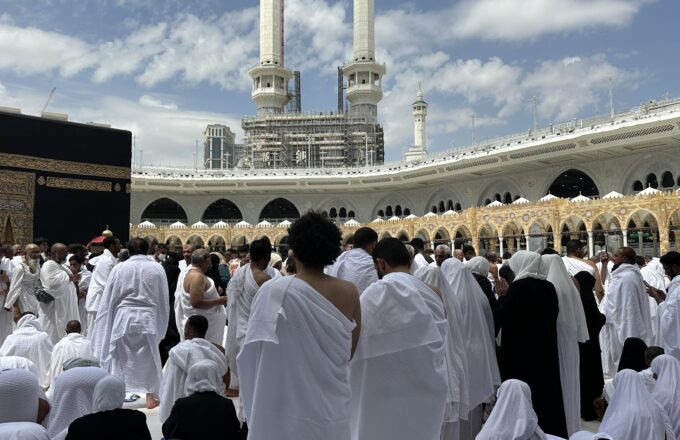
Quick answer: Hajj Badal (proxy Hajj) is permitted and strongly recommended in the Hanbali school of thought when Hajj was obligatory on the deceased or permanently incapacitated. The Hanbali madhhab treats an unfulfilled Hajj as a debt owed to Allah. The proxy must be a Muslim who has already completed their own Hajj, and a clear Niyyah (intention) naming the beneficiary is required.
Few obligations in Islam carry the weight and intimacy of Hajj. When a Muslim dies without fulfilling it—not out of negligence, but out of genuine inability—the question of whether a loved one can step in and complete it on their behalf becomes one of the most emotionally and spiritually charged questions in Islamic jurisprudence. The Hanbali school answers it clearly: yes, and it should be done.
What Is Hajj Badal, and Why Does It Matter in Islam?
Hajj Badal—also written as Hajj al-Badal—is the act of performing the Hajj pilgrimage on behalf of another person. The Arabic word Badal (بدل) means substitute or replacement. A qualified Muslim performs all the rites of Hajj, from the Ihram to the Tawaf al-Ifadah, with the intention that the spiritual reward and fulfillment of obligation are credited to the person who could not perform it themselves.
The practice is rooted directly in the Sunnah of the Prophet Muhammad ﷺ. One of the most frequently cited narrations comes from Sahih al-Bukhari:
“A woman from the tribe of Khath’am asked the Prophet ﷺ: ‘My father has been overtaken by old age and is unfit to mount, while the obligation of Hajj from Allah has become due on him. Shall I perform Hajj on his behalf?’ The Prophet ﷺ replied: ‘Yes.'”
— Sahih al-Bukhari, Hadith No. 1513 (Kitab al-Hajj)
This hadith is foundational. It establishes that a living person may discharge the Hajj obligation of someone incapacitated by age—and scholars across all four major schools of Islamic law have extended this ruling to cover those who have passed away.
The Quran itself establishes the obligatory nature of Hajj for those who are able:
“And pilgrimage to the House is a duty owed to Allah by people who are able to undertake it.”
— Quran 3:97
It is from this verse, combined with the prophetic hadith, that scholars derive the ruling of Hajj Badal: when a person was able but died before fulfilling it, a proxy may discharge that obligation on their behalf.
The Hanbali School of Thought: A Brief Overview
The Hanbali madhhab is one of the four major Sunni schools of Islamic jurisprudence, founded by Imam Ahmad ibn Hanbal (780–855 CE). Known for its strict adherence to Quranic and hadith-based evidence and its caution in analogical reasoning (qiyas), the Hanbali school is widely followed across Saudi Arabia, Qatar, and parts of the broader Muslim world.
On matters of worship, the Hanbali school takes an especially meticulous approach. Obligations that were not discharged during a person’s lifetime are treated with great seriousness—and Hajj is no exception. In Hanbali fiqh, an unfulfilled Hajj obligation is described as a debt owed to Allah, a framing that underscores the urgency of fulfilling it on behalf of the deceased.
Conditions for Performing Hajj Badal in the Hanbali Madhhab
A. The Deceased or Incapacitated Individual Must Have Had a Valid Hajj Obligation
The Hanbali madhhab specifies that Hajj Badal is only applicable when Hajj was genuinely obligatory (Fard) on the person in question. This means:
- The individual must have reached puberty (bulugh) and been of sound mind (aql).
- Hajj must have been financially and physically feasible for them at some point during their lifetime.
- They must have died before performing it, or have become permanently unable to do so due to chronic illness or severe disability.
If Hajj was never obligatory on the person—for instance, if they were always too poor to afford the journey—Hanbali scholars still consider performing Hajj Badal on their behalf a valid and rewarded voluntary act, though not a fulfillment of a Fard obligation. According to IslamQA.info, the majority of Hanbali scholars have endorsed this position.
B. Financial Capability of the Deceased or Incapacitated
A key consideration in the Hanbali madhhab is the question of who bears the cost of Hajj Badal. Classical Hanbali scholars held that, where possible, the expenses for performing Hajj Badal should be drawn from the estate of the deceased. This parallels the treatment of Hajj as a financial obligation—a debt that should be settled from the inheritance before it is distributed to heirs.
Where the deceased left no estate, or where the person is incapacitated but still living, heirs and family members may voluntarily fund the Hajj Badal on their behalf. The Hanbali school does not require a formal will (wasiyyah) for Hajj Badal to be valid, unlike the Hanafi school, which places greater emphasis on an explicit bequest.
C. Performer’s Eligibility: The Requirement to Have Performed One’s Own Hajj
This is perhaps the most debated and distinctive condition in all schools of Islamic jurisprudence that deal with Hajj Badal—and the Hanbali madhhab holds a clear, firm position: the proxy must have already performed their own obligatory Hajj before performing it on behalf of another.
This ruling is grounded in the well-known Hadith of Shubrumah, narrated in Sunan Abu Dawud and Sunan Ibn Majah:
“The Prophet ﷺ heard a man saying, ‘Labbayk on behalf of Shubrumah.’ He asked, ‘Who is Shubrumah?’ The man said, ‘A brother of mine’ or ‘a relative of mine.’ The Prophet asked, ‘Have you performed Hajj for yourself?’ He said, ‘No.’ The Prophet said, ‘Perform Hajj for yourself first, then perform Hajj on behalf of Shubrumah.'”
— Sunan Abu Dawud and Sunan Ibn Majah
Hanbali scholars treat this hadith as a binding condition. According to Badal Umrah LTD’s Fiqh overview, the Hanbali madhhab explicitly requires the proxy to be “a Muslim who has completed their own Hajj.” A person who has never performed Hajj cannot validly perform it on behalf of someone else.
Beyond having performed Hajj, the proxy must also be:
- A Muslim (Islam)
- Of sound mind (aql)
- Physically capable of completing all the rites
D. Intention and Niyyah
The Niyyah (intention) is a foundational element of all acts of worship in Islam, and Hajj Badal is no exception. In the Hanbali madhhab, the proxy must make a clear, explicit intention at the point of entering Ihram—specifically naming the person on whose behalf the Hajj is being performed.
A general or ambiguous intention is insufficient. The Hanbali school requires that the deceased or incapacitated person’s name be verbally stated in the Niyyah before the rites begin. This ensures clarity and sincerity, and distinguishes the act from the proxy’s own personal worship.
Permissibility and Impermissibility: Key Nuances in Hanbali Fiqh
A. Can One Person Perform Hajj Badal for Multiple People?
No. The scholarly consensus across all four madhabs—including the Hanbali school—is that a single Hajj pilgrimage can fulfill the obligation of only one person at a time. Each Hajj Badal must be a separate, dedicated pilgrimage performed on behalf of one named individual.
This is not merely a procedural rule. It reflects the deep individualism of acts of worship in Islam—each person’s obligation is personal, and its discharge through a proxy must be equally personal and distinct.
B. Performing Hajj Badal Voluntarily (Without Payment)
The Hanbali school permits—and indeed encourages—performing Hajj Badal without financial compensation, particularly when done by a close family member. Performing Hajj Badal voluntarily, out of love and devotion for a deceased parent or relative, is considered a highly meritorious act.
At the same time, the Hanbali madhhab does permit taking payment for performing Hajj Badal, provided certain conditions are met. Hanbali scholars ruled that accepting money to cover the costs of performing Hajj on behalf of another is acceptable. What is discouraged is exploiting the arrangement for personal financial gain in a manner that undermines sincerity of intention.
According to the scholarly guidelines compiled on Reddit’s r/hajj, the Hanbali fuqaha’ explicitly addressed this issue, affirming that arrangements where the proxy’s travel expenses are covered constitute a valid hiring, and the Hajj Badal performed in such circumstances is sound—provided all other conditions are met.
The Role of Technology and Modern Interpretations in Hajj Badal
A. Online Platforms for Arranging Hajj Badal
The digital era has fundamentally changed how families arrange Hajj Badal. Where previously families relied on personal connections—knowing someone traveling to Makkah—today a number of online platforms connect families with certified scholars and agents based in the Haram who can perform Hajj Badal on behalf of their loved ones.
Services such as Badal Umrah LTD, Teebah Foundation, and HajjBadal.net now offer fully documented Hajj Badal packages, often including HD video proof of the Niyyah and rites, digital certificates, and direct communication with the performing scholar. Pricing for these services in 2026 typically ranges from $1,000 to $2,500 USD depending on the provider and the comprehensiveness of documentation.
The growth of these platforms reflects a genuine need. With an estimated 1.8 billion Muslims worldwide—many of whom have aging or deceased parents whose Hajj obligation was never fulfilled—the demand for reliable, Shariah-compliant Hajj Badal services has grown significantly.
B. Scholarly Opinions on Digital Facilitation
The use of online platforms to hire a proxy raises a practical question: does the digital nature of the arrangement affect its Islamic validity? The scholarly consensus, including from Hanbali-aligned scholars, is that it does not. The key requirement is that the proxy is physically present in Makkah performing the rites—the method of contracting and communication does not affect the validity of the Hajj itself.
What matters in Hanbali fiqh is the substance of the act: correct Niyyah, proper rites performed in their correct times and places, and a qualified proxy who has already completed their own Hajj. How the arrangement was made—whether by phone, letter, or a digital platform—is irrelevant to the spiritual validity of the Hajj Badal.
Contemporary scholars associated with institutions such as SeekersGuidance and IslamQA have affirmed this position, noting that what must be verified is the credibility and qualifications of the individual performing the Hajj, not the medium through which they were engaged.
Case Studies and Contemporary Applications
Real-World Examples of Hajj Badal Fulfillment
The spiritual impact of Hajj Badal can be seen in the testimonials of families who have arranged it for deceased parents. One client of Badal Umrah LTD shared: “I cried watching the video knowing her soul was honored at the Kaaba. Truly a blessed and trustworthy service.” Another noted the ease of the process: “The donation process was smooth, transparent, and easy to complete.”
These accounts reflect a broader pattern. Families separated from Makkah by distance, financial constraints, or logistical barriers now have a reliable pathway to fulfill a deeply personal religious obligation. The combination of Hanbali fiqh’s clear permissibility and the practical accessibility of modern platforms has made Hajj Badal more reachable than at any previous point in history.
From a demographic perspective, the aging Muslim populations in South Asia, Southeast Asia, and the Western diaspora—many of whom never had the opportunity to perform Hajj—represent a significant and growing need for Hajj Badal services. Saudi Arabia’s updated Hajj regulations, which have increasingly formalized and recognized proxy Hajj arrangements, reflect official acknowledgment of this reality.
Reaffirming the Spiritual and Social Impact of Hajj Badal
Hajj Badal, as understood through the Hanbali madhhab, is not a theological loophole. It is a carefully bounded act of mercy—one that allows the living to honor the dead, and families to ensure that no obligation owed to Allah is left unfulfilled through circumstance.
The Hanbali conditions are precise for good reason. The proxy must be qualified. The Niyyah must be clear. The rites must be correct. These requirements protect the integrity of one of Islam’s five pillars, ensuring that Hajj Badal is performed with the same rigor demanded of any act of worship.
For Muslims navigating this question today—whether for a recently deceased parent, an elderly relative, or a loved one permanently disabled—the Hanbali position offers a clear path forward. It begins with verifying the proxy’s qualifications, confirming the deceased’s obligation, and ensuring that the intention names the right person. After that, the rites are performed and the reward, by the mercy of Allah, is sent to those who could not make the journey themselves.
The Prophet ﷺ said:
“When a man dies, his deeds come to an end except for three: a continuous charity, knowledge by which people derive benefit, and a righteous son who prays for him.”
— Sahih Muslim, Hadith No. 1631
Hajj Badal, rooted in love and fulfilled with precision, is one of the most profound expressions of that ongoing connection between the living and the dead that Islamic tradition makes possible.
Frequently Asked Questions (FAQs)
What are the specific Hanbali Hajj Badal conditions?
In the Hanbali madhhab, Hajj Badal is valid when: (1) Hajj was obligatory on the deceased or incapacitated person; (2) the proxy is a Muslim who has already performed their own Hajj; (3) a clear Niyyah explicitly naming the beneficiary is made before entering Ihram; and (4) all major rites of Hajj are performed correctly. The Hanbali school treats an unfulfilled Hajj obligation as a debt owed to Allah.
Does the Hanbali school require a will (Wasiyyah) for Hajj Badal to be valid?
No. Unlike the Hanafi school, the Hanbali madhhab does not require the deceased to have left a formal will requesting Hajj Badal. Family members may arrange and fund it voluntarily, and the Hajj Badal is considered fully valid and highly meritorious even without a bequest.
Can a person who has never performed Hajj perform Hajj Badal for someone else?
No. This is a firm condition in the Hanbali madhhab, grounded in the Hadith of Shubrumah (Sunan Abu Dawud). The proxy must have already fulfilled their own obligatory Hajj before performing it on behalf of another. Performing Hajj for oneself takes priority over any proxy arrangement.
Is it permissible to pay someone to perform Hajj Badal in the Hanbali school?
Yes, with conditions. Hanbali scholars permit accepting payment to cover the legitimate costs of performing Hajj on behalf of another. The arrangement is treated as a valid hiring contract. The key requirement is that the sincerity of the Niyyah is preserved and the rites are performed correctly.
Can one Hajj proxy serve two deceased people simultaneously?
No. A single Hajj pilgrimage can only fulfill the obligation of one named individual. Each Hajj Badal must be a separate and distinct pilgrimage performed for one person at a time. This is the consensus across all four major schools, including the Hanbali madhhab.
Are online Hajj Badal platforms considered Shariah-compliant in the Hanbali view?
Yes, according to contemporary Hanbali-aligned scholars. The method of arranging the proxy does not affect the validity of the Hajj Badal itself. What matters is that the proxy is physically present in Makkah, is qualified, and performs the rites correctly with the proper Niyyah. Families should verify the credentials of any service provider before booking.
What if Hajj was not obligatory on the deceased—is Hajj Badal still valid?
Most Hanbali scholars consider performing Hajj Badal in this case a valid and rewarded voluntary act (nafl), even though it does not discharge a Fard obligation. It is an act of love and devotion that carries its own spiritual merit.