
How Hajj Proxies Navigate Mina, Arafat, and Muzdalifah
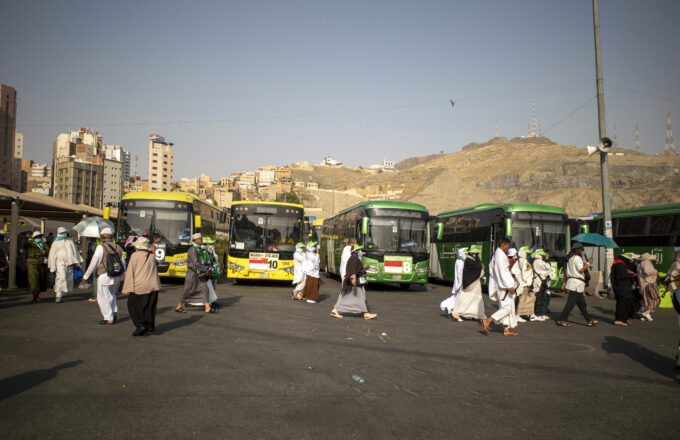
Quick answer: A Hajj site transportation proxy navigates between Mina, Arafat, and Muzdalifah using a mix of the Al Mashaaer Al Mugaddassah Metro line, government-organized shuttle buses, and vast pedestrian pathways. These structured transit systems allow the proxy to complete the mandatory rituals on time for those who cannot perform the pilgrimage themselves.
Every year, millions of Muslims converge on the holy city of Mecca to perform Hajj, creating one of the most complex logistical movements of people on the planet. For an individual performing Badal Hajj—acting as a proxy for a deceased or permanently incapacitated Muslim—navigating the rigorous journey between Mina, Arafat, and Muzdalifah requires careful planning, physical stamina, and a deep understanding of Saudi Arabia’s evolving transit infrastructure. A Hajj site transportation proxy must follow strict schedules to ensure each ritual is completed within its designated Islamic timeframe. This comprehensive guide explains how proxies manage the challenging transit network, utilizing everything from high-speed train lines to vast pedestrian pathways, to fulfill this sacred obligation.
What happens at the core Hajj sites of Mina, Arafat, and Muzdalifah?
To understand the transportation challenges, you must first understand the geographical flow of the pilgrimage. The journey moves sequentially through three specific locations located just outside Mecca.
Why is Mina called the city of tents?
Mina serves as the logistical base camp for the pilgrimage. Located roughly eight kilometers east of Mecca, Mina transforms into an enormous encampment housing millions of pilgrims in fireproof, air-conditioned tents. Proxies arrive here on the 8th of Dhul Hijjah. They spend the day and night in prayer, preparing themselves mentally and spiritually for the pinnacle of the Hajj. Mina is also the site of the Jamarat, the stone pillars where the symbolic stoning of the devil takes place later in the pilgrimage.
What takes place on the plains of Arafat?
On the morning of the 9th of Dhul Hijjah, the entire pilgrim population moves from Mina to Mount Arafat. This day is the absolute core of the Hajj. The Prophet Muhammad (PBUH) stated that “Hajj is Arafat.” Proxies spend the afternoon standing in earnest supplication, seeking forgiveness on behalf of the person they are representing. Missing the stay at Arafat invalidates the entire Hajj, making reliable transportation to this site the most critical logistical priority of the entire journey.
How do proxies utilize their time in Muzdalifah?
After sunset on the 9th of Dhul Hijjah, pilgrims leave Arafat and travel to Muzdalifah, an open, rocky plain located between Arafat and Mina. Here, proxies pray the Maghrib and Isha prayers combined. They spend the night sleeping under the open sky and collect small pebbles to be used for the stoning ritual at the Jamarat over the coming days. By dawn, they must move back to Mina.
Why is transportation during Hajj such a massive challenge?
Moving millions of people simultaneously across a narrow geographical corridor presents an unprecedented logistical hurdle. The infrastructure must handle peak loads that only occur for five days each year.
How does the scale of the pilgrimage strain infrastructure?
According to the [General Authority for Statistics (GASTAT), 2026], the total number of pilgrims reached 1,707,301. Out of this total, 1,546,655 were external pilgrims arriving from outside Saudi Arabia, while 160,646 were domestic pilgrims. Moving nearly two million people from Mina to Arafat on a single morning requires an incredibly tight orchestration of trains, buses, and foot traffic. A Hajj site transportation proxy must navigate these crowds while maintaining focus on their spiritual intentions.
What are the limitations of traditional transportation methods?
Historically, pilgrims relied entirely on unregulated buses or walking to travel between the sites. This often resulted in massive traffic gridlocks, with buses idling for hours in the desert heat. While walking remains a popular and sometimes faster option, the distances are substantial. The walk from Arafat to Muzdalifah spans roughly nine kilometers, and Muzdalifah to Mina adds another six kilometers. For a proxy, managing physical fatigue is critical to ensuring they can complete the remaining rituals properly.
What is the role of Badal Hajj in facilitating the pilgrimage?
Not every Muslim possesses the physical health or lifespan required to complete the pilgrimage themselves. Islamic jurisprudence accounts for this through the institution of Badal Hajj.
What exactly is Badal Hajj?
Badal Hajj, or proxy Hajj, is the practice of performing the pilgrimage on behalf of someone else. This is specifically reserved for individuals who have passed away without fulfilling their Hajj obligation, or living individuals suffering from a permanent physical incapacity or extreme old age. The proxy must have already completed their own obligatory Hajj before taking on the responsibility for another.
Why do proxies require meticulous transportation planning?
When a Muslim takes on the responsibility of performing Hajj for someone else, they carry a heavy moral and spiritual trust (Amanah). Because they are fulfilling an obligation for an incapacitated or deceased believer, missing a ritual due to a transportation failure is a catastrophic outcome. A proxy must know exactly how to reach Arafat by the 9th of Dhul Hijjah. They must evaluate bus schedules, train access, and pedestrian routes to guarantee successful completion.
How do proxies navigate the transit network in Mina?
Once established in their designated tent in Mina, a proxy must utilize the available systems to move effectively to the next location.
How does the Mina train improve movement?
The Al Mashaaer Al Mugaddassah Metro line has revolutionized movement between the holy sites. Launched in 2010, this train system operates exclusively for seven days during the Hajj season. According to [Transport Advancement, 2024], the train system has a capacity to transport 72,000 passengers per hour in each direction, effectively removing tens of thousands of buses from the road. The system features nine stations—three in Mina, three in Muzdalifah, and three in Arafat. Proxies who have train access included in their Hajj packages can bypass the road traffic entirely.
What are the pedestrian routes and shuttle services?
For those without train access, Saudi authorities provide thousands of shuttle buses that operate on dedicated lanes. Alternatively, proxies can utilize the shaded pedestrian walkways connecting the sites. Choose the pedestrian pathways if avoiding bus queues matters more than conserving physical energy. These walkways are equipped with misting fans, water stations, and medical outposts to keep walkers safe.
How do proxies secure a timely arrival at Arafat?
The movement to Arafat is highly regulated to ensure all pilgrims arrive before the afternoon prayers begin.
How does the bus system function for Arafat?
The Ministry of Hajj and Umrah coordinates a massive fleet of buses using a sequential release system. Tents are assigned specific departure windows. Proxies must follow the instructions of their group leaders (Mutawwifs) to board their assigned bus. These buses follow strict, one-way designated routes to prevent opposing traffic from causing blockages.
Can proxies use private transport?
Private vehicles are strictly prohibited from entering the holy sites during the core days of Hajj. Only authorized buses, emergency vehicles, and the metro train are permitted. A Hajj site transportation proxy must rely entirely on the official transit methods provided by their specific Hajj mission or agency.
What transportation is used for the night journey to Muzdalifah?
The exodus from Arafat to Muzdalifah after sunset is known as the “Nafrah.” It is one of the most congested movements of the entire pilgrimage.
How are bus movements organized during the Nafrah?
As soon as the sun sets, nearly two million people attempt to leave Arafat simultaneously. Buses operate on a shuttle system, picking up pilgrims, dropping them at Muzdalifah, and returning to Arafat for the next group. Proxies must exercise extreme patience during this phase. Choose the Al Mashaaer Metro if your package allows it, as it provides a heavily regulated and significantly faster transit option during the nighttime rush.
What should proxies consider during the Muzdalifah stay?
Upon arrival at Muzdalifah, proxies must locate a space to pray and sleep. Because Muzdalifah is an open plain, transportation drops pilgrims in general zones rather than specific camps. Proxies must pay close attention to their drop-off location and the nearby landmarks to ensure they can find their transportation group or the pedestrian pathway for the subsequent morning walk back to Mina.
What modern innovations are changing Hajj transportation?
Saudi Arabia continuously invests heavily in the infrastructure of the holy sites to accommodate the growing number of global pilgrims.
How are apps and GPS tracking utilized?
The Ministry of Hajj and Umrah has introduced several digital tools, such as the Nusuk app, to help pilgrims and proxies navigate the sites. These apps provide digital ID verification, schedule tracking, and GPS mapping. Proxies can use their smartphones to locate their Mina tents, find the nearest Metro station, and track the distance to their destination.
What are the future infrastructure developments?
Looking ahead, authorities are testing autonomous shuttle vehicles and electric buses to reduce carbon emissions and improve transit efficiency within the holy sites. These innovations aim to make the journey smoother for future proxies undertaking this demanding physical task.
What are the Islamic perspectives on facilitating Hajj?
The physical difficulty of Hajj is widely acknowledged in Islamic teachings, which is why facilitating the journey for others is highly rewarded. The Quran explicitly establishes the obligation of Hajj for those with the capacity:
“And [due] to Allah from the people is a pilgrimage to the House – for whoever is able to find thereto a way.” [Surah Ali ‘Imran 3:97]
For those unable to find a way due to death or permanent sickness, the Sunnah permits a proxy. In a prominent hadith recorded in Sahih al-Bukhari, the Prophet Muhammad (PBUH) permitted Hajj Badal.
“A woman from the tribe of Juhaina came to the Prophet and said, ‘My mother had vowed to perform Hajj but she died before performing it. May I perform Hajj on my mother’s behalf?’ The Prophet replied, ‘Perform Hajj on her behalf. Had there been a debt on your mother, would you have paid it or not? So, pay Allah’s debt as He has more right to be paid.'” [Sahih al-Bukhari 1852]
Fulfilling the Sacred Trust
A Hajj site transportation proxy shoulders an immense spiritual responsibility. Successfully navigating the complex transit web connecting Mina, Arafat, and Muzdalifah requires patience, physical endurance, and adherence to strict logistical schedules. By leveraging the Al Mashaaer Al Mugaddassah Metro, organized bus shuttles, and pedestrian pathways, proxies can focus on the profound spiritual rituals of the journey. Ultimately, effective transportation allows these dedicated individuals to fulfill a sacred debt to Allah on behalf of those who cannot be there themselves.
Frequently Asked Questions
Can a proxy use a private car to travel between Hajj sites?
No. Saudi authorities strictly ban private vehicles from entering Mina, Arafat, and Muzdalifah during the days of Hajj. Proxies must use the official buses, the metro train, or the pedestrian walkways.
How much does the Al Mashaaer Al Mugaddassah Metro cost for a proxy?
The cost of the metro ticket is typically bundled into the overall Hajj package purchased by the pilgrim or the person hiring the proxy. The train is only accessible to those with the appropriate wristbands provided by their Hajj organizers.
Is walking between Arafat and Muzdalifah safe for proxies?
Yes, the designated pedestrian pathways are highly maintained, well-lit, and staffed by security and medical personnel. However, it is a long walk (roughly nine kilometers), so proxies must ensure they are physically fit before undertaking the journey on foot.
What happens if a proxy misses the bus to Arafat?
Missing the stay at Arafat invalidates the Hajj entirely. If a proxy misses their designated bus, they must immediately seek alternative official transportation, use the pedestrian walkways, or seek help from Hajj ministry officials to ensure they reach Arafat before sunset on the 9th of Dhul Hijjah.