
The Day of Arafat for Proxies: Rituals, Dua, and Connection
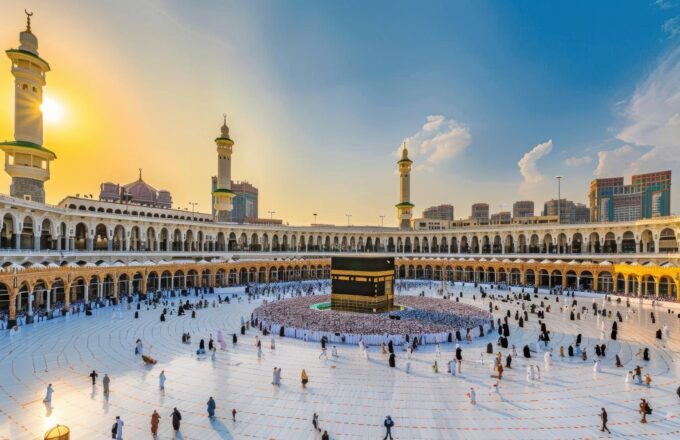
Quick answer: The Day of Arafat during proxy Hajj (Hajj Badal) involves a representative standing in prayer (wuquf) on behalf of a deceased or incapacitated Muslim. The proxy must have completed their own Hajj first and dedicates their supplications entirely to fulfilling the sacred duty of the intended individual, ensuring their religious obligation is complete.
The Day of Arafat stands as the spiritual pinnacle of the Islamic pilgrimage, but for those undertaking the Arafat proxy Hajj experience, the profound weight of standing on this sacred plain is magnified by the responsibility of carrying another soul’s devotion. When a Muslim cannot physically journey to Mecca due to chronic illness, severe disability, or passing away, Islamic law allows a qualified representative to fulfill this fundamental pillar of Islam on their behalf through the practice of Hajj Badal. This solemn act transforms the intense rituals of the pilgrimage into a powerful conduit for family connection, linking the living with the deceased or incapacitated through dedicated prayers and the essential standing ritual known as wuquf. By understanding the specific Islamic rulings, the precise execution of rituals on the Day of Arafat, and the immense spiritual rewards involved, families can find deep comfort in knowing their loved one’s sacred obligations have been faithfully honored before Allah.
What are the Islamic rulings and eligibility requirements for Hajj Badal?
Before a representative can stand on the plains of Arafat on behalf of someone else, they must meet strict Islamic eligibility requirements. The practice of proxy Hajj is firmly rooted in the foundational texts of Islam, providing a merciful provision for those unable to make the physical journey.
The Quran establishes the baseline obligation for the pilgrimage, stating:
“And [due] to Allah from the people is a pilgrimage to the House – for whoever is able to find thereto a way.” (Quran 3:97).
Because physical and financial ability are prerequisites, Islamic jurisprudence provides a solution for those who possess the financial means but lack the physical health, or for those who have passed away with the obligation unfulfilled.
The permissibility of proxy Hajj is clearly demonstrated in the Hadith. A woman from the tribe of Juhaina came to the Prophet Muhammad (peace be upon him) and asked if she could perform Hajj for her deceased mother. The Prophet replied:
“Yes, perform Hajj on her behalf. Do you not think that if your mother owed a debt you would pay it off? Pay off the debt owed to Allah, for Allah is more deserving that what is owed to Him should be paid.” (Sahih al-Bukhari 1852).
However, the person acting as the proxy must have already completed their own obligatory Hajj. This rule originates from the well-known Hadith regarding a man named Shubrumah. The Prophet heard a man reciting the Talbiyah on behalf of Shubrumah and asked who he was. Upon learning it was a relative, the Prophet instructed:
“You must perform Hajj on your own behalf first, and then perform it on behalf of Shubrumah.” (Sunan Abi Dawud 1811).
According to the General Authority for Statistics in Saudi Arabia, a total of 1,833,164 pilgrims performed Hajj in 2024 (GASTAT, 2024). A portion of these attendees are dedicated proxies, carrying the hopes and religious obligations of families worldwide. Choose a proxy who has verifiably completed their own Hajj and understands the immense weight of the Amanah (trust) they are carrying if you want to ensure the pilgrimage is accepted.
How do proxies perform the Day of Arafat rituals and wuquf?
The Day of Arafat, occurring on the 9th day of the Islamic month of Dhul-Hijjah, is the most critical component of the entire pilgrimage. The Prophet Muhammad explicitly stated that Hajj is Arafat, meaning that without participating in this specific day, the entire pilgrimage is invalid.
For a proxy, the Arafat proxy Hajj experience requires an exceptional level of focus and spiritual dedication. The primary ritual of this day is the wuquf, which translates to “standing.” Pilgrims arrive at the plains of Arafat by noon and remain there until sunset. During this time, they engage in continuous prayer, supplication, and remembrance of Allah.
When a proxy performs the wuquf, their mindset must constantly reflect their role as a representative. Every step taken on the dusty plains, every tear shed, and every prayer uttered must be channeled toward the person they are representing. The proxy does not seek personal absolution first; they seek the absolution of the deceased or incapacitated individual.
What specific duas should a proxy recite for the deceased or incapacitated?
The core of the wuquf ritual is the dua (supplication). Proxies must articulate their intentions clearly and repeatedly. While there is no rigid script mandated by Islamic law, the proxy should begin their supplications by explicitly naming the person they are representing.
A proxy might pray, “O Allah, I stand here today on the plains of Arafat on behalf of [Name]. Accept this wuquf from them. Forgive their sins, elevate their status in the Hereafter, and grant them the ultimate reward of Paradise.”
Choose to provide your proxy with a specific list of duas if your family has particular prayers or requests you want made on behalf of your loved one. Many families request prayers for the deceased’s peace in the grave, the forgiveness of their shortcomings, and the continued guidance of the family members left behind. The proxy spends hours raising their hands in intense devotion, ensuring the Arafat proxy Hajj experience is as spiritually robust as if the intended person were standing there themselves.
How does the Arafat proxy Hajj experience foster spiritual family connections?
Sponsoring a proxy Hajj is a profound act of familial love. When a family hires or appoints someone to perform Hajj Badal for a parent, grandparent, or sibling, they are engaging in a continuous act of charity and devotion.
The Day of Arafat becomes a globally shared spiritual event for the family back home. Knowing that a representative is currently engaged in the wuquf on behalf of their loved one brings immense comfort. Families often gather in their own homes on the Day of Arafat to fast, pray, and make their own supplications, spiritually uniting with the proxy standing in Mecca.
This shared spiritual timeline bridges the geographical gap between the family’s home and the plains of Arafat. It also bridges the metaphysical gap between the living and the deceased. By ensuring their loved one’s religious debts are paid, the living family members demonstrate the highest form of filial piety. It reinforces the Islamic concept that the bonds of family extend beyond death, and that the living can actively benefit the souls of those who have passed away through righteous deeds and dedicated prayers.
What practical considerations should proxies prepare for on the Day of Arafat?
Undertaking the Hajj is physically demanding, and the Day of Arafat is particularly grueling. Proxies must prepare meticulously to ensure they can fulfill their duties without compromising their health or their spiritual focus.
The weather in Saudi Arabia during Hajj can be incredibly harsh, with temperatures frequently exceeding 40 degrees Celsius (104 degrees Fahrenheit). Proxies must stay hydrated, seek shade whenever possible in their designated tents, and manage their physical energy.
Choose a proxy who is physically fit and relatively young if you are sponsoring a Hajj Badal for a loved one. The rigorous nature of the wuquf and the subsequent journey to Muzdalifah requires stamina. A physically capable proxy will spend less time recovering from exhaustion and more time engaged in the vital duas that your loved one needs.
Furthermore, proxies must have a clear logistical plan. They need to know the boundaries of Arafat, as standing outside these boundaries invalidates the wuquf. They must also manage their time effectively between Dhuhr and Maghrib prayers, dedicating the maximum possible time to focused supplication rather than socializing or resting excessively. The responsibility of carrying another person’s Hajj demands a higher standard of discipline and endurance.
What are the rewards and spiritual benefits of sponsoring Hajj Badal?
The spiritual benefits of Hajj Badal flow in multiple directions, blessing the deceased, the sponsoring family, and the proxy themselves.
For the deceased or incapacitated individual, the reward is the fulfillment of a foundational Islamic pillar. A completed and accepted Hajj wipes away all previous sins, returning the pilgrim to a state of spiritual purity akin to a newborn child. Through Hajj Badal, the deceased receives this monumental purification, which directly impacts their standing in the Hereafter.
For the family members who sponsor the pilgrimage, the reward lies in their obedience and charity. Fulfilling the debts of parents is heavily emphasized in Islam. By spending their wealth to ensure their parent’s Hajj is completed, children earn immense blessings and demonstrate true righteousness.
For the proxy, while the primary reward of the Hajj goes to the intended individual, the proxy does not walk away empty-handed. Islamic scholars state that the proxy receives an immense reward for facilitating this sacred act for a fellow Muslim. They are rewarded for their physical exertion, their time, and their sincere devotion in helping another believer fulfill their duty to Allah.
Will this meaningful spiritual journey change the proxy and the family?
The conclusion of the proxy Hajj marks the end of a physical journey but the beginning of a lasting spiritual transformation. For the proxy, the experience of dedicating such a monumental act of worship to another human being cultivates deep humility and selflessness. It strips away the ego, as the proxy constantly reminds themselves that they are a vessel for someone else’s devotion.
For the family, the completion of the Hajj Badal brings profound peace of mind. The anxiety of leaving a loved one’s religious obligations unfulfilled is replaced by the joy of knowing that a sincere believer stood on the plains of Arafat, engaged in wuquf, and called out their loved one’s name to Allah.
This collective experience reinforces the beauty of the Islamic brotherhood and the enduring nature of family ties. It serves as a powerful reminder that physical limitations and even death cannot sever the connection between believers, and that faith provides continuous avenues for mercy, forgiveness, and profound spiritual elevation.
Frequently Asked Questions about Hajj Badal and Arafat
Who is eligible to have a proxy Hajj performed on their behalf?
A proxy Hajj (Hajj Badal) can only be performed for an individual who is deceased or suffers from a permanent, incurable physical disability or illness that prevents them from traveling to Mecca. It cannot be performed for someone who is simply too busy or temporarily sick.
Can anyone serve as a proxy for Hajj Badal?
No. The most critical condition is that the person acting as the proxy must have already completed their own obligatory (Fard) Hajj. They must also be a sane, adult Muslim who is physically capable of performing the rigorous rituals required during the pilgrimage.
What is the most important ritual the proxy performs?
The most important ritual is the wuquf on the Day of Arafat. The proxy must be present within the boundaries of Arafat from noon until sunset on the 9th of Dhul-Hijjah, dedicating their time to intense prayer and supplication on behalf of the intended individual.
Does the proxy get any reward for performing Hajj Badal?
Yes. While the primary spiritual reward and fulfillment of the obligation go to the deceased or incapacitated person, the proxy receives immense blessings from Allah for their sincere effort, physical exertion, and for helping a fellow Muslim fulfill their religious duties.
How much does it typically cost to sponsor a Hajj Badal?
Costs vary significantly based on the proxy’s location, the type of Hajj package secured, and the agency managing the logistics. In recent years, sponsoring a proxy Hajj can range from $2,500 to $6,000 USD. Choose a transparent, verifiable proxy service if financial clarity and religious compliance are your top priorities.