
Arranging Hajj Badal for a Loved One with Dementia
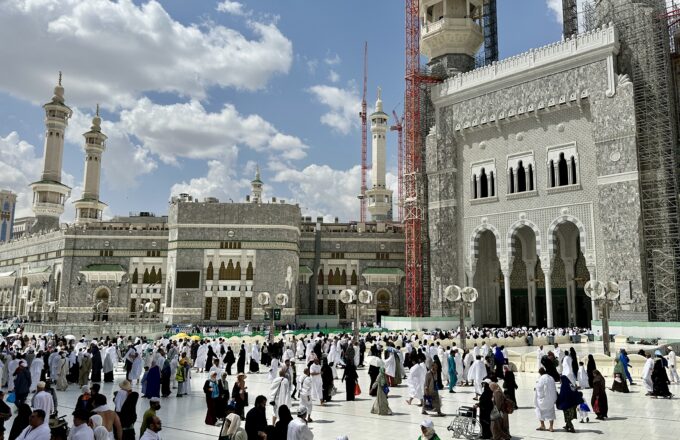
Quick answer: Yes, family members can arrange Hajj Badal (proxy Hajj) for a loved one diagnosed with advanced dementia or Alzheimer’s disease. Islamic scholars unanimously agree that proxy pilgrimage is permissible for permanently incapacitated individuals. The appointed proxy must have already completed their own obligatory Hajj and must hold a sincere intention for the designated individual.
For millions of families worldwide, watching a loved one navigate the progression of cognitive decline brings profound emotional and logistical challenges, especially when it comes to fulfilling major religious obligations. The fifth pillar of Islam, the Hajj pilgrimage to Mecca, is a physically and mentally demanding journey required of every able adult Muslim. However, when a parent or family member loses their cognitive abilities before completing this sacred duty, relatives often seek a valid dementia Hajj Badal arrangement to ensure their loved one’s spiritual obligations are met. This comprehensive guide explores the Islamic perspectives on proxy Hajj for the incapacitated, outlines the practical steps required to facilitate this journey, and provides recent data on how cognitive impairment is increasingly impacting Muslim communities globally.
What is the medical impact of dementia and Alzheimer’s disease?
Dementia is an umbrella term for a range of progressive neurological conditions that severely impair memory, thinking, and behavior. Alzheimer’s disease is the most common form, accounting for a significant majority of all diagnosed cases. These conditions deteriorate a person’s cognitive function far beyond the normal consequences of biological aging.
As the disease progresses, individuals lose their ability to perform daily tasks, remember recent events, and navigate unfamiliar environments. The physical toll is equally devastating, as patients often suffer from mobility issues, disorientation, and an inability to care for their own basic needs.
For a practicing Muslim, cognitive impairment directly impacts their ability to engage in complex religious rituals. The Hajj pilgrimage requires strict adherence to specific rites, immense physical stamina to navigate crowded spaces, and a clear state of mind to formulate the required spiritual intention (Niyyah). A person with advanced Alzheimer’s disease cannot safely travel to Saudi Arabia, nor can they comprehend the sacred rituals required to fulfill the obligation. Because this cognitive decline is permanent and progressive, the individual is classified under Islamic jurisprudence as permanently incapacitated.
What are the Islamic rules for Hajj Badal for incapacitated individuals?
How does Islam define the conditions and eligibility for Hajj?
The foundation of the Hajj obligation is rooted in physical and financial ability. Islamic law stipulates that the pilgrimage is mandatory only for those who possess the means to undertake it.
According to the Holy Quran,
“[And] due to Allah from the people is a pilgrimage to the House – for whoever is able to find thereto a way.” (Surah Aal-e-Imran, 3:97).
This verse establishes that ability (Istita’ah) is a fundamental condition for the Fard (obligatory) Hajj. Ability encompasses financial wealth, physical health, and the security of the travel route. When an individual suffers from a permanent illness like dementia, they lose the physical and mental capacity to perform the pilgrimage themselves. However, if they possess the financial wealth, the financial obligation remains, which introduces the necessity of a proxy.
What is the concept of Hajj Badal in Islamic jurisprudence?
Hajj Badal, or proxy Hajj, is the established Islamic practice of performing the pilgrimage on behalf of another Muslim. This practice is specifically reserved for two groups of people: those who have passed away before fulfilling their Fard Hajj, and living individuals who are permanently incapacitated due to severe illness, advanced age, or profound disability.
The primary evidence validating Hajj Badal comes from authentic prophetic traditions. In Sahih al-Bukhari 1852, a well-known narration details a woman from the tribe of Khath’am approaching the Prophet. She asked:
“O Allah’s Messenger! The obligation of Hajj enjoined by Allah on His devotees has become due on my father and he is old and feeble, and he cannot sit firmly on the mount; may I perform Hajj on his behalf?” The Prophet (peace be upon him) replied, “Yes, you may.”
This ruling confirms that a family member or an appointed proxy can validly substitute for someone who is alive but permanently unable to travel.
What do Islamic scholars say about Hajj Badal for dementia patients?
Islamic scholars across major schools of jurisprudence agree that severe dementia qualifies as a permanent incapacity. Because cognitive diseases like Alzheimer’s have no known cure and progressively worsen, the patient is excused from performing the physical journey.
If the incapacitated person previously expressed a desire to perform Hajj or set aside funds for it, family members are highly encouraged to organize a proxy. Choose a family member to perform the Hajj Badal if they have already completed their own obligatory pilgrimage and can manage the physical demands of the journey. Choose a trusted third-party representative if no eligible family members are available. In either case, the proxy fulfills the religious debt on behalf of the cognitively impaired individual, ensuring the spiritual reward is transferred directly to them.
How can family members arrange Hajj Badal for a loved one with dementia?
What are the key considerations before arranging a proxy pilgrimage?
Executing a dementia Hajj Badal arrangement requires meticulous planning and strict adherence to Saudi Arabian regulations. Family members must first verify that the intended proxy meets all Islamic criteria. The most critical condition is that the proxy must have completely fulfilled their own obligatory Hajj beforehand. A person cannot perform Hajj for someone else if they have not yet performed it for themselves.
Financially, the wealth of the incapacitated person should ideally fund the proxy’s journey. If the dementia patient does not have sufficient funds, family members can voluntarily contribute their own money to cover the proxy’s expenses. It is vital to ensure that all funds used are lawful (Halal) and free from debt.
How do you ensure the sincerity and eligibility of the appointed proxy?
When hiring a third party, families must exercise extreme caution to avoid exploitation. Hajj Badal scams unfortunately exist, with unauthorized agencies taking money without actually dispatching a dedicated pilgrim.
To guarantee the validity of the pilgrimage, family members should verify the proxy’s credentials. The proxy must be a sane, adult Muslim who understands the specific rituals of Hajj al-Tamattu, Hajj al-Ifrad, or Hajj al-Qiran. They must make a clear Niyyah (intention) specifically for the dementia patient at the Miqat (boundary). A valid proxy can only represent one individual per Hajj season. Ask the proxy for proof of their previous Hajj completion, such as a past Hajj visa or official documentation from the Saudi Ministry of Hajj and Umrah.
What is the role of the family in facilitating the proxy journey?
The family acts as the primary facilitator, handling all logistics and communications. Today, all official Hajj bookings for international pilgrims must be processed through the Saudi government’s official Nusuk platform. Families must ensure the appointed proxy legally secures a Hajj visa through this authorized channel. Tourist visas or Umrah visas are strictly prohibited for performing Hajj rituals.
Throughout the journey, families should maintain clear communication with the proxy. Many dedicated proxies provide regular updates, sharing photos or location pins from Mount Arafat and the Kaaba to offer the family peace of mind that the sacred Amanah (trust) is being fulfilled respectfully.
What are the global statistics on dementia in Muslim communities?
What is the global prevalence of dementia and Alzheimer’s disease?
Dementia is rapidly becoming one of the most pressing public health crises of our time. According to the World Health Organization (2023), approximately 57 million people lived with dementia worldwide in 2021. This number is not static; it is escalating dramatically. The WHO projects that global cases will rise to 153 million by the year 2050.
Furthermore, the disease disproportionately impacts developing regions. Over 60% of individuals diagnosed with dementia currently reside in low- and middle-income countries, locations where healthcare infrastructure is often ill-equipped to provide specialized memory care. Every year, nearly 10 million new cases are diagnosed globally, underscoring the urgent need for families to plan for their aging relatives’ future care and religious obligations.
How is cognitive decline impacting the Middle East and North Africa?
Muslim-majority countries are experiencing some of the sharpest increases in cognitive impairment worldwide. According to research published by the National Institutes of Health (2024), the pooled prevalence of dementia in the Middle East and North Africa (MENA) region sits at 12.16%. The condition affects women (13.84%) more frequently than men (8.69%).
The future outlook for this region requires immediate attention. A report by DW (2022) highlighted that while Western Europe anticipates a 74% rise in dementia cases by 2050, the MENA region is projected to experience a staggering 400% increase. This massive demographic shift means that hundreds of thousands of Muslim families will soon face the reality of managing a loved one’s religious obligations through proxy systems like Hajj Badal.
What are some real-life scenarios for arranging Hajj Badal?
To understand how these Islamic rulings apply practically, consider the following hypothetical scenarios based on common family situations.
Scenario A: The Capable Son
Ahmed’s father was diagnosed with severe Alzheimer’s disease five years ago. His father had always saved money for Hajj but lost his cognitive abilities before his visa was approved. Ahmed, who completed his own Fard Hajj in 2019, decides to perform Hajj Badal for his father. Ahmed uses his father’s saved funds to book an official package through the Nusuk platform. Upon reaching the Miqat, Ahmed clearly states his intention to perform the pilgrimage on behalf of his father. Because Ahmed is physically capable, financially backed by lawful funds, and has completed his own obligatory Hajj, this proxy arrangement is entirely valid and highly rewarded in Islam.
Scenario B: Hiring a Trusted Representative
Fatima’s mother suffers from advanced vascular dementia and is bedbound in Egypt. Fatima has not yet performed her own Hajj, making her ineligible to act as a proxy for her mother. Instead, Fatima contacts a trusted Islamic scholar residing in Saudi Arabia who performs Hajj Badal annually. Fatima interviews the scholar, verifies his past Hajj completion, and agrees to cover the costs of his Hajj package and the required Qurbani (animal sacrifice). The scholar accepts only Fatima’s mother as his single proxy assignment for that year. This external dementia Hajj Badal arrangement perfectly aligns with Islamic jurisprudence, ensuring the mother’s obligation is lifted without compromising the strict rules of single representation.
How can families fulfill their spiritual responsibilities today?
Navigating a loved one’s dementia diagnosis is an incredibly taxing journey, fraught with grief and complex decision-making. Yet, Islamic teachings offer profound mercy and practical solutions to ensure that a believer’s spiritual debts are honored, even when their mind and body fail them. Arranging a proxy pilgrimage serves as a profound act of filial piety, allowing children and relatives to demonstrate their enduring love and respect for their elders.
By understanding the eligibility criteria, strictly following Saudi regulations, and selecting a trustworthy proxy, families can successfully navigate the dementia Hajj Badal arrangement process. Fulfilling this monumental pillar of Islam on behalf of an incapacitated parent not only clears their religious obligation but also brings immense spiritual peace to the entire family.
If you are currently managing the care of a relative with cognitive impairment, take time to review their financial standing and past religious intentions. Consult with local Islamic scholars to confirm eligibility, and begin researching reputable proxies or family members who can undertake this sacred trust on their behalf.
Frequently Asked Questions (FAQ)
Can a woman perform Hajj Badal for a man with dementia?
Yes, a woman can perform proxy Hajj for a man, just as a man can perform it for a woman. The gender of the proxy does not matter, provided the proxy has already completed their own Fard (obligatory) Hajj.
Can one proxy perform Hajj Badal for both parents in the same year?
No, a proxy can only represent one individual during a single Hajj season. If a family wishes to arrange Hajj Badal for both a mother and a father with dementia in the same year, they must appoint two separate, eligible proxies.
How much does it cost to arrange a proxy Hajj?
The cost of arranging a proxy pilgrimage varies based on the representative and the specific package secured through official channels. Generally, families can expect to pay between $3,500 and $5,500 USD. This fee covers the proxy’s government Hajj permits, accommodation, transportation, and the required animal sacrifice (Qurbani).
Does the dementia patient need to give permission for the proxy Hajj?
If the patient’s cognitive impairment is so advanced that they can no longer understand or communicate, explicit permission is not required. Family members can arrange the proxy pilgrimage on their behalf out of goodwill, using the patient’s wealth or their own funds to clear the religious obligation.
What happens if the proxy makes a mistake during the Hajj rituals?
If a proxy commits an unintentional error or violates a minor rule of Ihram during the pilgrimage, they are personally responsible for offering the required expiation (Dam), which usually involves sacrificing a sheep in Mecca. The validity of the proxy Hajj remains intact for the incapacitated person.