
How to Discuss Hajj Badal With Siblings
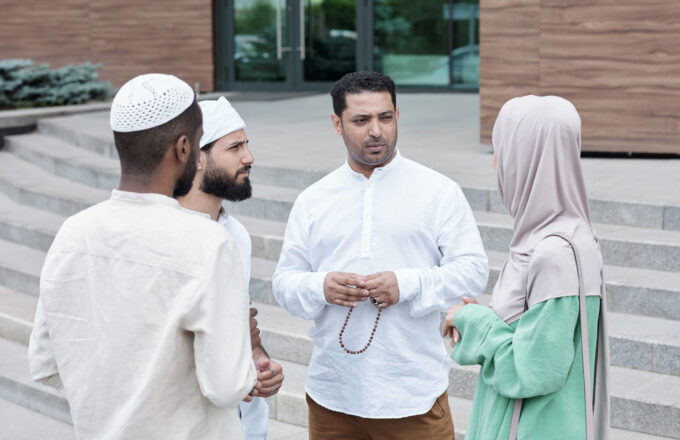
Quick answer: To effectively navigate a family discussion about Hajj Badal with your siblings, you must align on Islamic eligibility requirements, establish complete financial transparency regarding costs, and collaboratively select a trustworthy proxy. Consulting reputable Islamic scholars and reviewing verified proxy services like YourHajjBadal.com ensures the sacred pilgrimage is performed correctly.
Navigating a family discussion about Hajj Badal requires deep spiritual sincerity, clear financial communication, and a shared commitment to honoring a loved one’s Islamic obligations. When siblings gather to organize proxy Hajj for a deceased or permanently incapacitated parent, emotions naturally intertwine with logistical complexities and religious requirements. By anchoring your family dialogue in Quranic principles of consultation (Shura) and relying on verified data, you can transform a potentially stressful planning process into a profoundly unifying act of worship that honors both Allah and your parents.
What is Hajj Badal and why is proxy Hajj significant?
Hajj Badal, commonly referred to as proxy Hajj, is the Islamic practice of performing the pilgrimage to Mecca on behalf of another Muslim. This substitution is specifically reserved for individuals who are Islamically obligated to perform Hajj but are prevented from doing so by severe, permanent physical incapacity or death.
While the physical act of the pilgrimage is completed by a representative, the spiritual rewards and fulfillment of the religious obligation are credited directly to the soul of the intended recipient. The significance of Hajj Badal is firmly rooted in authentic Islamic texts. A famous narration provides the foundational ruling for this practice. When a woman from Juhaina asked Prophet Muhammad (Peace Be Upon Him) if she could perform Hajj for her deceased mother, he replied:
“Yes, perform Hajj on her behalf. Do you not think that if your mother owed a debt you would pay it off? Pay off the debt owed to Allah, for Allah is more deserving that what is owed to Him should be paid.” Sahih Bukhari 1852
Understanding this religious framework is the first step in any family discussion about Hajj Badal. Siblings must recognize that funding a proxy Hajj is not merely a memorial gesture; it is the settling of a direct religious debt owed to Allah.
Why is family consensus important for Islamic decisions?
Islam places immense value on family unity and mutual consultation, known as Shura. When making significant decisions that affect the legacy of parents or the financial resources of siblings, achieving consensus is vital.
The Quran explicitly instructs Muslims to engage in consultation. Allah says:
“…and consult them in the matter. And when you have decided, then rely upon Allah. Indeed, Allah loves those who rely [upon Him].” Surah Al Imran 3:159
Applying the principle of Shura to your family discussion about Hajj Badal ensures that all siblings feel heard and respected. A unilateral decision made by one sibling can lead to resentment, which contradicts the spirit of the pilgrimage. By prioritizing consensus, families protect familial bonds and ensure that the collective intention (niyyah) remains pure and focused entirely on the spiritual benefit of the loved one.
How do you initiate a family discussion about Hajj Badal?
Initiating a conversation about proxy Hajj requires sensitivity, especially if the discussion follows the recent passing of a parent or the diagnosis of a permanent illness. The goal is to create a secure environment where siblings can express their thoughts without feeling pressured.
Schedule a dedicated family meeting rather than bringing the topic up casually. Choose a time when all siblings are available, either in person or via video call, to ensure undivided attention. Frame the agenda clearly beforehand. You might say, “I would like us to discuss the possibility of arranging Hajj Badal for our father, specifically to look at the Islamic requirements and how we might share the financial responsibilities.”
By setting a structured agenda, you allow your siblings time to mentally prepare, research the topic independently, and approach the family discussion about Hajj Badal with maturity and spiritual readiness.
What are the common sibling concerns regarding proxy Hajj?
Even the most harmonious families encounter logistical and financial questions when planning a major Islamic undertaking. Anticipating these concerns allows you to address them systematically.
How do you determine proxy eligibility and sincerity?
The most critical Islamic condition for Hajj Badal is that the appointed proxy must have already completed their own obligatory (Fard) Hajj. Siblings often worry about the sincerity and qualifications of the person representing their loved one.
To resolve this concern, establish strict vetting criteria together. The proxy must be a sane, adult Muslim who is physically capable of managing the rigorous rituals in Mecca. Furthermore, the proxy must commit to performing Hajj for only one individual during a single Hajj season. Discussing these non-negotiable Islamic rules prevents siblings from accidentally hiring unqualified individuals and guarantees the validity of the proxy Hajj.
How should families handle financial transparency for proxy Hajj?
Financial considerations are frequently the most complex aspect of organizing Hajj Badal. According to the Saudi Ministry of Hajj and Umrah, 2024, approximately 1.84 million pilgrims performed Hajj, and the logistical costs associated with the journey have risen steadily. Currently, reputable proxy services charge anywhere from $3,500 to $6,000 USD.
Siblings must be completely transparent about what they can afford to contribute. Create a detailed breakdown of the expected costs, including the proxy’s travel, accommodation, visas, and the required animal sacrifice (Qurbani/Hady). If one sibling possesses greater financial means, they may choose to cover a larger portion of the cost. However, choose this funding structure collaboratively, ensuring no sibling feels financially burdened or excluded from the spiritual reward of facilitating the pilgrimage.
How can you ensure the Hajj rituals are performed properly?
Trusting a third party thousands of miles away to execute a sacred duty causes understandable anxiety. Siblings frequently ask how they can verify that the rituals of Hajj al-Tamattu or Hajj al-Ifrad are completed correctly.
Address this by agreeing to hire only proxies or services that offer transparent communication. Discuss the importance of receiving visual proof, such as photographs or video calls from Mount Arafat, as well as documentation like a verified Fard Hajj visa and Nusuk ID card. Setting these expectations early in the family discussion limits future anxiety and builds collective confidence in the chosen representative.
How can families leverage external resources for informed decisions?
When siblings face differing opinions or lack specific knowledge about Hajj Fiqh (Islamic jurisprudence), relying on external expertise is the safest path forward.
Why should you consult Islamic scholars for proxy Hajj rulings?
Islamic jurisprudence contains nuanced rules regarding Hajj Badal, particularly concerning living individuals. For example, a living person can only appoint a proxy if they suffer from a permanent, incurable illness or extreme old age, and they must provide explicit consent.
If siblings disagree on whether a parent meets the criteria of “permanent incapacity,” consulting a qualified local Imam or Islamic scholar resolves the dispute objectively. An expert can evaluate the specific medical situation against established Islamic guidelines, removing the burden of interpretation from the siblings and ensuring the family’s actions strictly align with the Sunnah.
What are the benefits of utilizing personal Hajj Badal services?
The proxy Hajj market includes mass-booking agencies that outsource the pilgrimage to unknown individuals, which understandably makes families hesitant. Choosing a dedicated, personal service provider often alleviates sibling concerns regarding sincerity and accountability.
For example, YourHajjBadal.com offers a highly personalized proxy Hajj service that directly addresses common family anxieties. Run by an independent professional who has already completed his Fard Hajj, the service accepts only one Hajj Badal request per year. This single-representation model guarantees that the proxy is fully focused on your specific loved one.
Services like YourHajjBadal.com provide comprehensive packages (costing approximately $5,750 USD in total) that cover all aspects of Hajj al-Tamattu, including the mandatory Qurbani. Furthermore, the proxy provides private identity verification, shares their Nusuk ID, and guarantees personal financial accountability for any unintentional mistakes requiring a “Dam” (penalty). By presenting a verified, independent option like this to your siblings, you provide a tangible, trustworthy solution that bypasses the uncertainties of large commercial agencies.
How do you navigate disagreements to find common ground?
Disagreements during a family discussion about Hajj Badal are natural, especially when selecting a proxy or dividing expenses. When conflicts arise, siblings must prioritize patience and active listening over winning an argument.
If siblings disagree on the cost of the proxy, frame the decision as a balance between affordability and reliability. Choose a highly vetted, slightly more expensive personal proxy if spiritual peace of mind matters more to the family than saving money. If the disagreement centers on who should act as the proxy (e.g., a distant relative vs. a hired professional), ask both candidates to provide proof of their prior Fard Hajj and their physical ability to complete the rituals. Grounding emotional disagreements in objective Islamic criteria helps siblings compromise gracefully and maintain family harmony.
What are the spiritual rewards of collective family decision-making?
Undertaking the planning of Hajj Badal as a united family yields profound spiritual benefits. When siblings collaborate to fulfill the religious obligations of their parents, they exemplify Birr al-Walidayn (dutifulness to parents), which is among the most beloved acts in Islam.
The collective effort spent researching, funding, and selecting a proxy serves as continuous charity (Sadaqah Jariyah) for the parents and an act of worship for the siblings. By successfully navigating the complexities of family consultation, siblings reinforce their bonds, honor their shared heritage, and earn the pleasure of Allah through their unified devotion to their family’s spiritual well-being.
Uniting your family for a sacred Islamic duty
Organizing Hajj Badal is a beautiful, weighty responsibility that requires meticulous planning and open communication. By grounding your family discussion about Hajj Badal in Islamic principles, remaining fully transparent about financial commitments, and seeking out verified, singular proxy services, you can successfully navigate this complex terrain.
Your next step is to initiate that initial conversation with your siblings. Share this guide with them, gather your questions, and begin evaluating trustworthy proxy options together. For families seeking a highly personalized, single-slot proxy service, visiting platforms like YourHajjBadal.com can provide the clarity and confidence needed to fulfill this sacred Islamic trust.
Frequently Asked Questions About Hajj Badal and Family Discussions
What are the primary Islamic conditions for someone to perform Hajj Badal?
To perform Hajj Badal, the proxy must be a sane, adult Muslim who has already completed their own obligatory (Fard) Hajj. They must be physically capable of performing the rituals, establish a clear intention (Niyyah) for the specific individual, and only perform Hajj for one person during that specific Hajj season.
Can siblings combine their money to pay for a parent’s Hajj Badal?
Yes, siblings can collaboratively fund a proxy Hajj. Pooling financial resources is highly encouraged, as it allows all participating family members to share in the spiritual reward of facilitating the pilgrimage for their deceased or incapacitated parent.
Does a living parent need to give permission for Hajj Badal?
Yes. If a parent is alive but permanently incapacitated due to chronic illness or extreme old age, they must explicitly consent to the proxy Hajj and appoint the representative. Proxy Hajj cannot be performed for a living person without their active knowledge and authorization.
How do we know if an online Hajj Badal service is legitimate?
Legitimate services offer total transparency. Look for providers that willingly share their personal identification, previous Fard Hajj visa, and Nusuk ID card. Reliable proxies will also agree to direct communication, provide live updates from Mecca when possible, and refuse to take on multiple proxy requests simultaneously.
What happens if the proxy makes a mistake during the Hajj rituals?
If a proxy makes a mistake that requires a religious penalty (Dam), a sincere and professional proxy will personally cover the cost of that penalty. Before hiring anyone, siblings must clarify this liability during the initial consultation to ensure the financial burden does not unexpectedly fall back on the family.