
How Proxies Safely Perform the Rami al-Jamarat Stoning Ritual
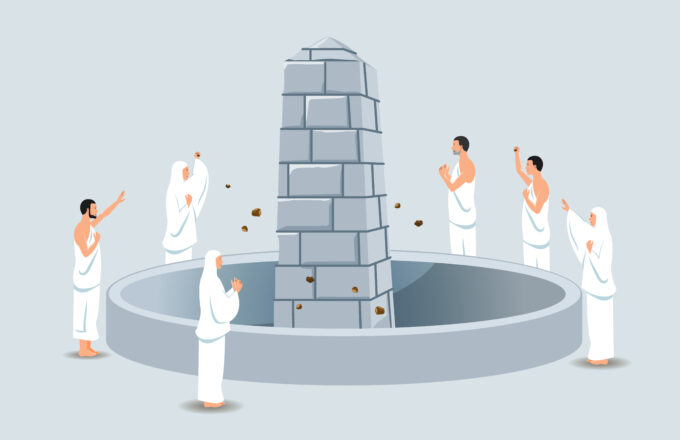
Quick answer: Rami al-Jamarat is a mandatory Hajj ritual where pilgrims throw pebbles at three pillars in Mina. For individuals physically unable to perform this stoning ritual due to illness, old age, or disability, a qualified representative can safely complete the proxy Hajj on their behalf following strict Islamic guidelines and safety protocols.
Millions of Muslims travel to Mecca each year to fulfill their religious obligations, but for those facing severe health challenges, advanced age, or physical disabilities, completing the physically demanding rites of pilgrimage requires the assistance of a dedicated proxy. This comprehensive guide explains the specific mechanics of Rami al-Jamarat, explores the foundational Islamic jurisprudence supporting proxy representation, details the rigorous safety measures required in modern crowd conditions, and outlines the exact qualifications a reliable service provider must possess to validly complete this sacred duty on behalf of a loved one.
What is Rami al-Jamarat and why is it significant in Hajj?
Rami al-Jamarat represents one of the most critical and physically demanding rites of the Islamic pilgrimage. During this specific ritual, Muslim pilgrims travel to the city of Mina, located just east of Mecca, to cast small pebbles at three distinct stone walls known as the Jamarat. These three structures—Jamarah al-Ula (the small pillar), Jamarah al-Wusta (the middle pillar), and Jamarah al-Aqabah (the largest pillar)—symbolize the devil.
The stoning ritual commemorates the actions of Prophet Ibrahim (Abraham). Islamic tradition dictates that the devil attempted to dissuade Prophet Ibrahim from following Allah’s command to sacrifice his son, Ismail. In response, Prophet Ibrahim threw stones at the devil to drive him away. When pilgrims perform Rami al-Jamarat today, the pilgrims symbolically reject evil, worldly temptations, and internal desires.
How does proxy stoning (Hajj Badal) work in Islamic jurisprudence?
Islamic jurisprudence provides a clear framework for individuals who cannot physically travel to Mecca. This substitution framework is known as Hajj Badal, or proxy Hajj. While the Quran establishes the baseline obligation for pilgrimage, stating that Hajj is required for anyone who is “able to undertake the journey” (Surah Al Imran 3:97), the Sunnah outlines the specific rules for proxy representation.
The primary evidence validating Hajj Badal comes directly from authentic Hadith. A prominent example occurs when a woman from Juhaina approached Prophet Muhammad (PBUH) to ask if she could perform the pilgrimage on behalf of her deceased mother.
The Prophet responded:
“Yes, perform Hajj on her behalf. Do you not think that if your mother owed a debt you would pay it off? Pay off the debt owed to Allah, for Allah is more deserving that what is owed to Him should be paid.” (Sahih Bukhari 1852).
Because of these foundational texts, major Islamic scholars unanimously agree that proxy Hajj is permissible. The spiritual reward and fulfillment of the religious obligation transfer directly to the incapacitated or deceased individual, provided the proxy follows all necessary rules.
Why do pilgrims use proxies for the stoning ritual specifically?
Even if a pilgrim successfully travels to Mecca, the specific environment surrounding Rami al-Jamarat often necessitates a proxy for the stoning ritual. The area in Mina experiences intense crowding, extreme temperatures, and significant physical exertion.
Pilgrims choose to authorize a proxy for Rami al-Jamarat under several specific conditions:
- Permanent or chronic illness: Individuals suffering from severe heart conditions, respiratory issues, or mobility-limiting diseases cannot safely navigate the dense crowds in Mina.
- Extreme old age: Elderly pilgrims who lack the physical stamina to walk the long distances required between the camps and the Jamarat facilities rely on younger, stronger representatives.
- Physical disabilities: Wheelchair users or individuals with amputations often face insurmountable logistical barriers during the peak crowding hours of the stoning ritual.
- Acute illness during Hajj: Occasionally, a pilgrim becomes severely ill after arriving in Saudi Arabia. Islamic scholars permit these temporarily incapacitated individuals to commission another pilgrim to throw the pebbles on their behalf.
Choose a proxy for the stoning ritual if the physical health risks of navigating the Jamarat bridge outweigh the individual’s capacity to walk independently.
What is the step-by-step process for performing Rami al-Jamarat as a proxy?
When a representative performs the stoning ritual on behalf of someone else, the representative must follow a highly specific sequence of actions to ensure the ritual remains valid.
- Formulating the intention (Niyyah): Before casting any stones, the proxy must explicitly form the intention that the upcoming action is being performed specifically for the incapacitated individual.
- Collecting the pebbles: The proxy collects small, chickpea-sized pebbles, typically from the area of Muzdalifah.
- Stoning for oneself first: If the proxy is also performing their own Hajj during the same year, Islamic scholars mandate that the proxy must first throw their seven pebbles at the specific Jamarah for themselves.
- Stoning for the incapacitated person: Immediately after completing their own stoning at a specific pillar, the proxy remains at the same pillar and throws seven additional pebbles on behalf of the person they represent.
- Sequential completion: The proxy repeats this process across all three pillars (on the days when all three are stoned), ensuring they always separate their own stones from the proxy stones.
How do proxies ensure safety and adherence to rituals during proxy stoning?
Safety during Rami al-Jamarat requires meticulous planning, especially given recent environmental challenges. According to the Saudi General Authority for Statistics, the total number of pilgrims reached 1,833,164 in 2024. Managing this volume of people safely is a massive logistical undertaking.
Furthermore, climate factors pose a severe risk. During the 2024 pilgrimage, the Associated Press reported that more than 2,760 pilgrims suffered from heat stroke due to intense heat, with several fatalities occurring specifically during the first day of stoning.
To mitigate these risks, qualified proxies implement strict safety protocols:
- Adhering to scheduled times: The Saudi government assigns specific stoning times to different pilgrim groups. Proxies must follow these schedules strictly to prevent crowd crushes.
- Utilizing multi-level infrastructure: The modern Jamarat Bridge features multiple levels. Proxies often utilize the upper levels which benefit from better ventilation and crowd dispersion.
- Heat management: Proxies carry adequate hydration, use umbrellas for shade, and utilize the cooling pedestrian pathways coated by the government to reduce surface temperatures.
What are the personal commitments and qualifications of a proxy?
Selecting the right individual to perform a proxy Hajj is a critical decision. The representative must meet stringent Islamic criteria: they must be a sane, adult Muslim who has already completed their own obligatory (Fard) Hajj. Furthermore, the proxy can only represent one person per Hajj season.
Many families struggle to find a trustworthy representative. Services like Your Hajj Badal offer a solution based on personal accountability rather than mass-agency outsourcing. Your Hajj Badal is operated by a 32-year-old Muslim professional who completed his Fard Hajj in 2025.
The Your Hajj Badal service model emphasizes quality and strict adherence to Islamic law:
- Single representation: The provider accepts only one Hajj Badal slot per year, ensuring complete focus on the deceased or incapacitated loved one.
- Transparency: The provider shares his 2025 Hajj visa and personal ID for full verification before any agreement is finalized.
- Financial structure: The service requires a US$250 registration fee to reserve a slot, with the remaining balance of approximately US$5,500 paid when official arrangements begin. The required Hady (Qurbani) is fully included.
- Dam guarantee: If the proxy makes a mistake requiring a religious penalty (Dam), the proxy personally covers the expense.
What is the spiritual significance and validity of proxy Hajj?
The spiritual weight of Hajj Badal brings profound peace to Muslim families worldwide. When an elderly parent suffers from a debilitating stroke, or when a family member passes away before completing their pilgrimage, the surviving relatives often carry a heavy burden of religious debt.
Proxy Hajj lifts this burden. The spiritual validity of the proxy Hajj rests entirely on the sincerity of the representative and the adherence to the prophetic guidelines. When performed correctly, Allah accepts the Hajj Badal as a complete fulfillment of the Fard obligation for the incapacitated or deceased person. The intended recipient receives the full spiritual purification associated with the pilgrimage, exactly as if they had walked the plains of Arafat and thrown the stones at the Jamarat themselves.
Facilitating a safe and accessible Hajj for all
The institution of proxy Hajj showcases the inherent flexibility and mercy within Islamic jurisprudence. By allowing healthy, qualified individuals to step in for those restricted by severe illness, old age, or death, the religion ensures that the fifth pillar of Islam remains accessible to every believer, regardless of their physical limitations. Understanding the rigorous rules surrounding Rami al-Jamarat, prioritizing safety amidst challenging climate conditions, and selecting a highly accountable proxy provider are the critical steps toward fulfilling this sacred trust.
Frequently Asked Questions (FAQ)
What are the conditions for a living person to use a proxy for Hajj?
A living person can only appoint a proxy if they suffer from a permanent, incurable illness, severe physical disability, or extreme old age that permanently prevents them from traveling and performing the physical rituals. The incapacitated individual must explicitly authorize the proxy and finance the journey if they have the means.
Can a proxy perform Hajj Badal for multiple people in one year?
No. According to Islamic law, a proxy can only perform Hajj for one person during a single Hajj season. The intention (Niyyah) must be dedicated entirely to one specific individual for the pilgrimage to be valid.
Does the proxy need to have completed their own Hajj first?
Yes. The most critical qualification for a proxy is that they must have already completed their own obligatory (Fard) Hajj. An individual cannot fulfill the Hajj obligation for someone else if they have not yet fulfilled their own obligation to Allah.
What happens if the proxy makes a mistake during the stoning ritual?
If a proxy makes a procedural error during Rami al-Jamarat or any other ritual that requires a religious penalty (known as a Dam or Qurbani), the proxy is generally responsible for correcting it. Accountable providers, like Your Hajj Badal, explicitly guarantee to cover the financial cost of any required Dam caused by their own unintentional shortcomings.