
Can a Woman Perform Hajj Badal for a Man? Islamic Rules
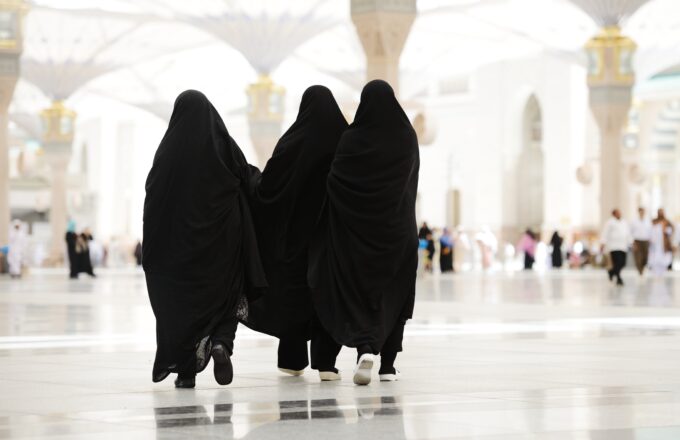
Quick answer: Yes, a woman can perform Hajj Badal for a man, and vice versa. Islamic scholars unanimously agree there are no gender restrictions in proxy Hajj. A female proxy Hajj Badal requires the woman to have already completed her own obligatory Hajj and meet all standard physical and mental competence requirements.
Navigating the spiritual and logistical requirements of proxy pilgrimage often raises complex questions, particularly regarding whether a female proxy Hajj Badal is permissible for a deceased or incapacitated male relative. This comprehensive guide clarifies the Islamic rulings, required conditions, and practical logistics of gender in proxy Hajj, empowering you to confidently fulfill this sacred obligation for your loved ones while understanding the modern landscape of dedicated, personal Hajj services.
What is the Islamic concept of Hajj Badal?
Hajj Badal, commonly known as proxy Hajj, is the act of performing the Islamic pilgrimage to Mecca on behalf of another individual. This practice serves as a substitution for Muslims who are religiously obligated to perform Hajj but are entirely unable to do so themselves. The Islamic framework restricts this substitution strictly to two categories of individuals: those who have passed away before fulfilling their obligation, and those suffering from a permanent physical incapacity, such as chronic illness or extreme old age.
According to recent official data from the General Authority for Statistics (GASTAT), a total of 1,673,230 pilgrims performed Hajj in the 2025 (1446H) season. While millions of Muslims manage to undertake the journey personally, countless others rely on proxies to fulfill this fundamental pillar of Islam. The primary religious merit of the pilgrimage is credited to the soul of the intended recipient, ensuring their religious duties are complete, while the proxy receives a distinct spiritual reward for their sincere assistance and devotion to helping a fellow Muslim.
What are the specific Islamic rulings on gender and Hajj Badal?
The permissibility of a woman performing Hajj on behalf of a man is firmly established in Islamic jurisprudence.
The Quran outlines the general obligation of Hajj for those capable of the journey, stating:
“And [due] to Allah from the people is a pilgrimage to the House – for whoever is able to find thereto a way.” [Surah Ali ‘Imran 3:97].
For those unable to find a way due to death or permanent illness, the Sunnah provides clear authoritative guidance on substitution.
The most definitive evidence regarding gender in proxy Hajj comes from the Hadith of the woman from the Khath’am tribe.
During the Farewell Hajj, this woman approached the Prophet Muhammad (peace be upon him) and asked:
“O Messenger of Allah, the obligation of Hajj has come upon my father while he is an old man who cannot sit firmly on his mount. May I perform Hajj on his behalf?”
He said: “Yes.” [Sahih al-Bukhari 1513].
This authentic narration directly addresses the female proxy Hajj Badal scenario. The Prophet explicitly approved a woman performing the pilgrimage for her elderly father. Consequently, scholars across the major Islamic schools of thought (Hanafi, Maliki, Shafi’i, and Hanbali) agree that gender does not invalidate a proxy Hajj. A man can perform Hajj for a woman, a woman can perform Hajj for a man, and individuals can perform it for those of the same gender. The validity relies entirely on the proxy’s eligibility and intention, rather than their gender.
What are the mandatory conditions for a valid proxy Hajj?
While gender does not restrict a person from acting as a proxy, Islamic law strictly mandates several other conditions that must be met for the Hajj Badal to be accepted.
The foundational requirement is prior completion of the obligatory (Fard) Hajj. A proxy cannot fulfill the duty for another person if they have not yet fulfilled their own religious obligation to Allah. If an individual who has never performed Hajj attempts to do so on behalf of someone else, the pilgrimage automatically counts toward their own Fard Hajj, and the obligation of the principal remains unfulfilled. Data from DataSaudi indicates that during the 2025 Hajj season, the gender distribution was relatively balanced, with 877,841 male and 795,389 female pilgrims. This vast number of individuals who complete their Fard Hajj each year creates a large global pool of eligible proxies of both genders.
Beyond prior completion, the proxy must be a sane, adult Muslim. They must possess the physical stamina and mental competence required to navigate the crowded and demanding rituals of Hajj, from the circumambulation of the Kaaba to standing at Mount Arafat. Furthermore, a proxy can only represent one individual during a single Hajj season. Attempting to combine intentions for multiple deceased or incapacitated individuals invalidates the proxy nature of the pilgrimage.
Why does sincerity matter when selecting a Hajj Badal proxy?
Hajj Badal is an immense spiritual trust (Amanah). When selecting someone to perform this duty, the individual’s sincerity and religious commitment are paramount. The proxy must make a clear, explicit intention (Niyyah) to perform the pilgrimage specifically on behalf of the designated person before entering the state of Ihram.
Because the rituals of Hajj occur far away from the principal or their surviving family, the process relies heavily on the honesty and fear of Allah possessed by the proxy. They must execute every ritual meticulously, avoid the prohibitions of Ihram, and maintain a state of spiritual focus. A proxy who views the journey purely as a financial transaction might rush rituals, combine intentions improperly, or fail to observe the intricate rules of the pilgrimage. Choose a representative who understands the weight of carrying someone else’s religious obligation on their shoulders.
What logistical challenges should a female proxy Hajj Badal anticipate?
While Islamic law permits a woman to act as a proxy, modern logistical and legal frameworks present specific considerations. Historically, female pilgrims required a Mahram (a male relative they cannot marry) to travel for Hajj. Although Saudi Arabia has recently updated its visa policies to allow women to perform Hajj and Umrah without a Mahram under certain group conditions, female proxies must carefully verify the current visa regulations of their residing country and the Saudi Ministry of Hajj and Umrah.
Physical exertion is another critical factor. Hajj requires walking long distances in extreme heat, navigating massive crowds, and enduring physical fatigue. A female proxy must objectively assess her physical fitness to ensure she can complete the rites without jeopardizing her health or failing to fulfill the trust placed in her. If a woman is physically capable, has completed her Fard Hajj, and meets travel requirements, she is fully qualified to execute the proxy pilgrimage perfectly.
Why choose a dedicated proxy over mass-booking Hajj Badal agencies?
The modern demand for proxy Hajj has led to the rise of large-scale agencies that process hundreds of proxy requests annually. While many are legitimate, mass-booking services often outsource the actual pilgrimage to unknown individuals, creating a disconnect between the family and the proxy. This lack of transparency can cause anxiety regarding whether the rituals were performed correctly and sincerely.
A dedicated, personal proxy service offers a starkly different experience. For example, a specialized Hajj Badal service currently operating for the upcoming seasons is run by a 32-year-old Muslim from Bangladesh. As a graduate of the University of Rajshahi who completed his own Fard Hajj in 2025, he meets all Islamic eligibility criteria. Rather than functioning as an agency, he accepts only one Hajj Badal slot per year. This singular focus ensures that his entire journey, intention, and prayers are dedicated entirely to one family’s loved one.
Choosing a dedicated individual allows for direct communication. Families can verify the proxy’s credentials directly—such as reviewing their 2025 Hajj visa and Nusuk ID card—prior to making any financial commitments. This level of transparency provides profound peace of mind that a mass-booking agency simply cannot replicate.
What essential features should a reliable Hajj Badal service guarantee?
When arranging a proxy Hajj, the agreement must clearly outline all inclusions and responsibilities to prevent misunderstandings and unexpected costs. A highly reliable service will transparently cover the intricacies of Islamic requirements.
First, the service should explicitly state which type of Hajj will be performed. Most commonly, proxies perform Hajj al-Tamattu, which requires a mandatory animal sacrifice (Hady/Qurbani). A reputable proxy will include the cost of this Qurbani within the initial agreement, ensuring the family does not face hidden fees during the pilgrimage.
Second, consider the “Dam” (Penalty) guarantee. In Islamic jurisprudence, if a pilgrim makes a mistake during Hajj—such as missing a mandatory act or violating a rule of Ihram—they must offer a penalty sacrifice known as a Dam. A deeply committed proxy will offer a personal guarantee to cover the cost of any required Dam out of their own pocket if the mistake was due to their own unintentional shortcoming. This guarantee demonstrates exceptional accountability and reverence for the Amanah they have accepted.
Finally, dedicated proxies often provide additional spiritual benefits. Some commit to performing a bonus voluntary Umrah on behalf of the deceased or incapacitated individual as a sincere gesture of gratitude. Combined with live updates, location sharing, and direct video calls from the holy sites, these dedicated services transform a long-distance proxy arrangement into a deeply connected, reassuring spiritual experience for the family.
Fulfilling the Sacred Trust
Arranging a proxy pilgrimage requires careful consideration of Islamic jurisprudence, the physical capability of the proxy, and the transparency of the service provider. The authentic teachings of Islam make it unequivocally clear that a female proxy Hajj Badal is valid, and gender does not restrict a Muslim from aiding a brother or sister in fulfilling their obligations.
Whether you choose an eligible female relative, a trusted family friend, or a dedicated, verified professional who accepts only one assignment per year, prioritize sincerity above all else. By ensuring your chosen proxy meets all Islamic conditions and operates with profound transparency, you can secure peace of mind and help your loved one attain the ultimate spiritual reward.
Frequently Asked Questions (FAQ)
Who qualifies to have a proxy Hajj performed for them?
Proxy Hajj is strictly reserved for individuals who are deceased and did not fulfill their Hajj obligation, or living individuals who possess the financial means but are permanently physically incapacitated due to chronic illness, severe disability, or extreme old age.
Can a woman perform Hajj for her deceased father?
Yes, a woman can perform Hajj for her deceased father. The Prophet Muhammad (PBUH) explicitly granted permission to a woman from the Khath’am tribe to perform Hajj on behalf of her elderly father, establishing clear precedent for female proxies representing male relatives.
What happens if the proxy makes a mistake during Hajj?
If a proxy makes a mistake that violates the rules of Ihram or misses a mandatory ritual, a penalty sacrifice (Dam) is required to validate the Hajj. Reputable, dedicated proxy services will offer a guarantee to personally pay for this penalty if the error was due to their own oversight.
Does the proxy need to have performed Hajj before?
Yes. The most critical condition for anyone undertaking Hajj Badal is that they must have already completed their own obligatory (Fard) Hajj. If they perform proxy Hajj without having done their own, the pilgrimage will automatically count toward their own obligation instead.
Can a proxy perform Hajj for two people at the same time?
No. An individual acting as a proxy can only form the intention (Niyyah) and perform the Hajj for one specific person during a single Hajj season. Combining intentions for multiple individuals invalidates the proxy arrangement.