
Finding Peace: How Hajj Badal Aids Family Grief and Healing
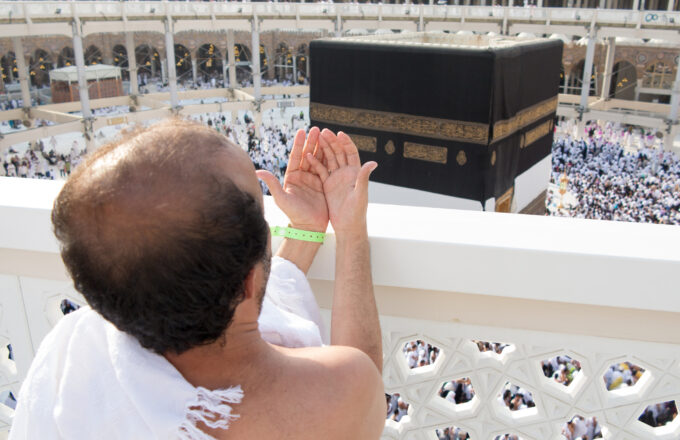
Losing a loved one leaves an emotional void that time alone rarely fills, but Islamic traditions offer profound pathways for grief support and spiritual closure. Among these sacred practices is Hajj Badal, a proxy pilgrimage performed on behalf of those who have passed away or are permanently incapacitated. This act of devotion not only fulfills a mandatory religious obligation for the departed but also serves as a powerful catalyst for family healing. By exploring the Islamic guidelines, emotional benefits, and practical steps of arranging a proxy Hajj, bereaved families can discover how this beautiful tradition transforms the heavy burden of hajj mourning into a source of enduring peace and spiritual connection.
Understanding Grief in Islam
Grief is a natural, deeply human response to loss. Islam acknowledges the weight of this sorrow while offering a structured framework to navigate it. The religion does not demand that individuals suppress their sadness. When Prophet Muhammad (PBUH) lost his son Ibrahim, he wept, demonstrating that shedding tears is an act of mercy and compassion. However, Islam encourages believers to balance their mourning with patience and a firm reliance on Allah’s overarching wisdom. The Quran provides immense comfort to those navigating the turbulent waters of bereavement.
It reminds the faithful that worldly suffering is temporary and that divine relief is always near.
“So verily, with the hardship, there is relief.” (Surah Ash-Sharh 94:6).
This profound verse reassures grieving families that their current pain will eventually give way to spiritual ease.
Furthermore, the Islamic perspective on death frames it not as a definitive end, but as a transition to the eternal life of the Hereafter. This belief shifts the focus from permanent separation to a temporary parting. Bereaved families are encouraged to engage in righteous deeds, charitable acts, and continuous prayers to benefit their loved ones in the next life. These acts of devotion become a bridge of light between the living and the deceased.
The Concept of Hajj Badal
What is Hajj Badal?
Hajj Badal, commonly known as proxy Hajj, is the practice of performing the Islamic pilgrimage to Mecca on behalf of another individual. This substitution is specifically reserved for Muslims who are Islamically obligated to perform Hajj but are entirely unable to do so. The primary beneficiaries of this practice are those who have died before fulfilling their pilgrimage and those who suffer from a permanent, severe physical incapacity or advanced old age.
Islamic Permissibility and Conditions
The permissibility of Hajj Badal is unanimously agreed upon by major Islamic scholars, drawing its authority directly from the authentic Sunnah.
The most frequently cited evidence is a beautiful interaction recorded in Hadith regarding a daughter’s concern for her mother’s spiritual obligations.
“A woman from the tribe of Juhainah came to the Prophet (ﷺ) and said, ‘My mother had vowed to perform Hajj, but she died before fulfilling her vow. Should I perform Hajj on her behalf?’ The Prophet (ﷺ) replied: ‘Yes, perform Hajj on her behalf. Do you not think that if your mother owed a debt you would pay it off? Pay off the debt owed to Allah, for Allah is more deserving that what is owed to Him should be paid.'” (Sahih Bukhari 1852).
To ensure the validity of the proxy pilgrimage, the individual undertaking the journey must meet specific criteria. The most vital condition is that the proxy must have already completed their own obligatory (Fard) Hajj. They must be a sane, adult Muslim capable of handling the physical rigors of the rituals. Additionally, they must make a clear, sincere intention (Niyyah) to perform the pilgrimage exclusively for the designated individual, as a proxy can only represent one person per Hajj season.
Significance for the Deceased and Their Family
For the deceased, the completion of Hajj Badal clears a major spiritual debt. It ensures that their fundamental duties to Allah are satisfied, granting their soul peace and elevating their status in the Hereafter. For the family left behind, arranging this pilgrimage is an unparalleled act of filial piety and love. It shifts their focus from passive mourning to active, constructive worship.
Hajj Badal’s Role in Grief Support
Providing Continuity and Honor
Death disrupts the physical presence of a loved one, but spiritual traditions offer a way to maintain an active relationship with them. Arranging a proxy Hajj is a profound method of honoring the departed. It demonstrates that the family has not forgotten their obligations or their spiritual well-being. This act of continuous care provides a comforting sense of continuity, ensuring that the legacy and faith of the deceased are actively upheld by those who survive them.
Facilitating Spiritual Connection and Peace
The period of hajj mourning can be particularly challenging, especially when families realize a loved one’s lifelong dream of visiting the Kaaba was left unfulfilled. By appointing a proxy, families bridge that gap. Watching the journey unfold—seeing the proxy stand on the plains of Arafat or circle the Kaaba—allows the family to share in the spiritual blessings. This shared experience creates a deep, resonant peace within the hearts of the bereaved.
The Emotional Impact of Fulfilled Obligations
Unfinished business frequently complicates the grieving process. If a family knows their parent or sibling had the means for Hajj but passed away before making the journey, feelings of guilt or anxiety can compound their sorrow. Hajj Badal directly addresses this psychological burden. Knowing that a sincere believer is fulfilling this sacred duty on their loved one’s behalf lifts a heavy weight, allowing the family to transition from a state of anxious grief to one of serene acceptance.
Practical Considerations for Hajj Badal
Choosing a Sincere and Eligible Performer
The integrity of a proxy Hajj relies entirely on the sincerity and qualifications of the person performing it. Because this is a sacred Amanah (trust), families must be diligent in their selection. While many large agencies offer mass-booking services, these can sometimes lack the personalized focus and spiritual dedication required for such an intimate act of worship.
For those seeking a highly dedicated approach, Your Hajj Badal offers a unique and highly personalized service. Managed by a 32-year-old university graduate and professional who completed his own Fard Hajj in 2025, the service is built on individual accountability. By accepting only one Hajj Badal slot per year, he guarantees that your loved one receives his undivided focus, prayers, and physical effort throughout the entire journey.
The Process and Expectations
The process of arranging a proxy pilgrimage requires clear communication and strict adherence to Islamic law. Through services like Your Hajj Badal, families begin with an initial discussion to verify eligibility. This is followed by a private identity verification step, where the proxy shares his Hajj visa and Nusuk ID card to establish complete mutual trust. Once the agreement is finalized, the proxy travels to Mecca, providing regular updates through messages, photos, and even live video calls from the holy sites whenever possible.
Importance of Personal Commitment and Transparency
Ethical execution is non-negotiable when arranging a proxy pilgrimage. Hidden fees or outsourced representatives can compromise the spiritual integrity of the act. Your Hajj Badal removes these concerns by offering a transparent, all-inclusive agreement.
The service includes the required Hady (Qurbani) for Hajj al-Tamattu, ensuring no surprise costs arise during the pilgrimage. Crucially, it features a personal “Dam” guarantee. If any penalty becomes necessary due to a mistake or unintentional shortcoming during the rituals, the proxy covers the expense personally. Furthermore, as a gesture of profound gratitude and compassion, he gifts a bonus voluntary Umrah for the deceased, maximizing the spiritual rewards sent to your loved one.
Healing Through Faith
How Spiritual Acts Aid in the Grieving Process
Science increasingly recognizes what faith has long taught: spiritual rituals are highly effective tools for navigating profound loss. According to recent research published by the National Institutes of Health (NIH), cultural beliefs and structured religious rituals provide essential frameworks for processing grief, ultimately fostering emotional resilience and psychological recovery. Rituals give mourners a concrete set of actions to perform when they might otherwise feel helpless, anchoring them during emotional storms.
The Role of Dua and Remembrance
In Islamic tradition, the most direct line of communication with Allah is through Dua (supplication). During the proxy Hajj, the representative dedicates specific prayers for the forgiveness and elevation of the deceased. Knowing that a believer is standing on the sacred plains of Arafat—the very place where mercy descends—making heartfelt prayers for their family member brings indescribable comfort to the bereaved. It reinforces the belief that Allah’s mercy is vast and accessible.
Connecting with the Broader Community
Grief often isolates individuals, making them feel entirely alone in their sorrow. Engaging in a global pillar of Islam, even by proxy, connects the grieving family to the wider Muslim Ummah. Millions of believers gather in Mecca for a unified purpose, and participating in this collective worship reminds families that they belong to a massive, supportive spiritual community. This sense of belonging is a powerful antidote to the loneliness that accompanies loss.
Addressing Common Concerns
Misconceptions About Proxy Hajj
A common misconception is that proxy Hajj can be performed for anyone who simply does not want to travel. Islamic jurisprudence strictly limits this practice to the deceased or those suffering from permanent, incurable physical incapacities that prevent travel. It cannot be used as a convenience by healthy individuals who are merely busy or unwilling to make the journey.
Financial Aspects and Ethical Practice
Entrusting someone with thousands of dollars for a religious duty requires immense faith. It is vital to work with individuals who prioritize transparency over profit. Thoroughly reviewing refund policies, demanding proof of the proxy’s own completed Fard Hajj, and maintaining direct communication lines are essential steps. By opting for a direct, one-on-one agreement rather than navigating layers of middlemen, families can ensure their funds are used strictly for the intended spiritual purpose.
The Psychological Benefits of Spiritual Closure
Reaching spiritual closure is a critical milestone in grief recovery. A 2024 special issue in Mental Health, Religion & Culture highlighted how significant religious interventions help mitigate psychological distress during life crises. When a family successfully arranges and witnesses the completion of a proxy Hajj, they achieve a profound sense of finality regarding their loved one’s religious duties. This closure allows them to remember their departed family member with joy and peace, rather than lingering worry.
Embracing Comfort Through Sacred Substitution
Navigating the loss of a family member is one of life’s most demanding trials. Yet, the beautiful provisions within Islam ensure that the connection between the living and the departed remains vibrant through acts of continuous charity and worship. Hajj Badal stands out as an ultimate expression of love, allowing families to settle the spiritual debts of their loved ones while securing immense divine rewards.
By prioritizing authenticity and choosing a sincere representative, families can transform their mourning into a proactive journey of faith. If you are seeking a trustworthy, transparent, and highly dedicated individual to fulfill this sacred duty for your loved one, taking the next step can bring immense peace to your heart. Reach out to arrange a deeply personal proxy pilgrimage and secure the profound spiritual closure your family deserves.