
Hajj Complications and Resolutions: Essential Lessons
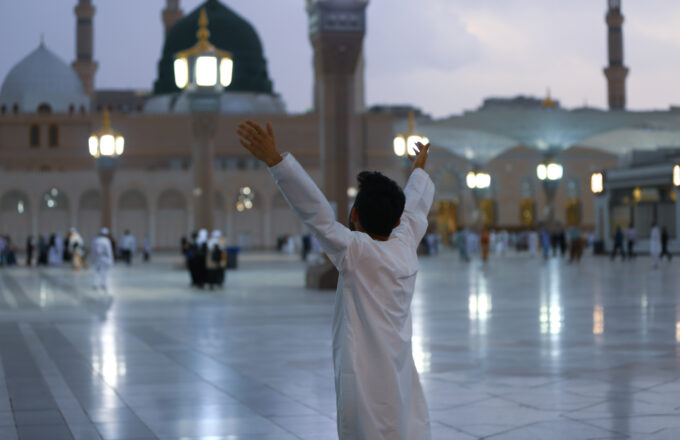
Millions of Muslims travel to the sacred city of Mecca each year to fulfill one of the most profound pillars of Islam, yet this deeply spiritual undertaking is frequently accompanied by immense physical, logistical, and administrative challenges. While the rewards are immeasurable, pilgrims must navigate severe weather conditions, massive crowds, and complex travel regulations that test their physical endurance and spiritual resolve. Recognizing these potential hurdles beforehand transforms a daunting trip into an organized, spiritually enriching experience. By studying recent hajj lessons and adopting effective complication resolution strategies, future pilgrims can adequately prepare for the trials ahead and focus entirely on their devotion.
Understanding Common Hajj Complications
A successful pilgrimage requires meticulous planning, but even the most prepared travelers can face unexpected obstacles. Understanding these common difficulties is the first step toward effective complication resolution.
Logistical Hurdles and Their Impact
Moving millions of people through specific locations within a narrow timeframe creates an unprecedented logistical environment. Pilgrims often experience severe delays at airports, massive traffic congestion between Mecca, Mina, Arafat, and Muzdalifah, and challenges navigating vast tent cities. These logistical hurdles can lead to missed prayers, physical exhaustion, and immense stress. When transport systems become overwhelmed, individuals must sometimes walk long distances, compounding the physical toll. Recognizing these logistical realities helps pilgrims adjust their expectations and plan buffer times for every movement.
Health-Related Challenges During Hajj
The physical demands of Hajj are substantial, and health emergencies remain a primary concern. Extreme temperatures, particularly during the summer months, pose severe risks to pilgrims. Dehydration, heat exhaustion, and fatal heatstroke are prevalent, especially among those unaccustomed to the harsh desert climate. Additionally, the dense gathering of millions of people facilitates the rapid spread of respiratory infections and other communicable diseases. Pre-existing health conditions can easily exacerbate under the physical strain of walking miles each day in scorching heat, making medical preparedness a critical component of the journey.
Financial and Administrative Obstacles
Administrative complications often begin long before a pilgrim boards a flight. Securing the correct visa, booking approved packages, and managing the financial burden of the trip require careful attention. Some individuals fall victim to unauthorized travel agencies offering fake visas or unverified packages, leading to immediate deportation or inability to access holy sites upon arrival. Furthermore, unexpected costs can arise during the journey, such as emergency medical expenses or the need to pay a penalty for a ritual mistake.
Unexpected Situations and Emergency Preparedness
Even with robust planning, unforeseen events can disrupt the pilgrimage. Sudden changes in crowd control protocols, lost identification documents, or becoming separated from one’s travel group are common occurrences. Without a contingency plan, these situations can quickly escalate from minor inconveniences to major crises. Establishing a clear emergency protocol with family members and tour group leaders, keeping digital copies of vital documents, and memorizing the location of local embassy tents are practical steps to mitigate the impact of unexpected situations.
Islamic Perspectives on Overcoming Adversity During Hajj
The challenges of Hajj are not merely logistical inconveniences; they are deeply integrated into the spiritual fabric of the pilgrimage. Islamic teachings offer profound guidance on how to process and overcome these hardships.
Patience (Sabr) and Trust in Allah (Tawakkul)
The physical and emotional trials of Hajj are designed to test a pilgrim’s patience and reliance on Allah. When faced with delayed buses, crowded spaces, or extreme heat, maintaining composure is considered an act of worship. Sabr (patience) prevents a pilgrim from engaging in arguments or expressing frustration, which can diminish the spiritual reward of the journey. Coupled with Tawakkul (trust in Allah’s decree), pilgrims learn to accept difficulties gracefully, recognizing that every hardship endured for the sake of Allah elevates their spiritual standing.
The Importance of Seeking Knowledge and Guidance
A thorough understanding of Islamic jurisprudence regarding Hajj rituals prevents many common errors. Pilgrims are highly encouraged to study the rulings, rites, and acceptable concessions before embarking. Knowing what to do if a ritual is missed or performed incorrectly reduces anxiety and ensures the pilgrimage remains valid. As the Prophet Muhammad (peace be upon him) emphasized, seeking knowledge equips a believer to navigate the complexities of worship with confidence and accuracy.
Community Support and Mutual Assistance
Hajj is a collective experience that highlights the unity and equality of the Muslim ummah. Islamic teachings heavily emphasize helping fellow pilgrims. Whether it involves sharing water with someone suffering from the heat, guiding a lost elder back to their tent, or offering physical support during the Tawaf, mutual assistance is highly rewarded.
The Prophet Muhammad (peace be upon him) highlighted the immense value of the journey, stating:
“The righteous Hajj pilgrimage has no reward but Paradise.” (Faith in Allah).
Helping others is a direct pathway to achieving this righteous standard.
The Concept of “Dam” (Penalty) and Its Role in Rectifying Errors
Islamic jurisprudence acknowledges human fallibility through the concept of “Dam.” If a pilgrim inadvertently misses a mandatory (wajib) act—such as failing to enter Ihram at the designated Miqat, or leaving Muzdalifah before the prescribed time—they are required to offer a penalty, usually in the form of sacrificing a sheep and distributing the meat to the poor in Mecca. This framework provides a clear complication resolution mechanism, allowing pilgrims to rectify mistakes without invalidating their entire Hajj, thereby relieving immense spiritual anxiety.
Case Studies: Real-World Scenarios and Resolutions
Examining real-world case analysis provides actionable insights into how common issues are effectively managed on the ground.
Navigating Visa and Travel Document Issues
During the 2024 season, thousands of individuals attempted to perform Hajj using tourist or visit visas instead of the mandatory official Hajj visa. Authorities swiftly implemented stringent checkpoints, turning away unregistered individuals and imposing heavy fines. The primary resolution for future pilgrims is strict adherence to the official Nusuk platform and utilizing authorized travel agents. Attempting to bypass the official visa system not only risks deportation but also removes access to vital resources like air-conditioned tents and emergency medical care.
Managing Health Emergencies: Lessons from the Field
The 2024 Hajj saw extreme temperatures soaring past 50°C (122°F), leading to severe health crises. According to recent data, over 1,300 pilgrims died, mostly unregistered individuals who lacked access to official cooling shelters. In contrast, registered pilgrims benefited from rapid medical interventions, hydration stations, and climate-controlled tents. The critical case analysis here emphasizes that securing an official visa is fundamentally a health and safety requirement, as it grants access to the Saudi Ministry of Health’s extensive emergency infrastructure.
Resolving Accommodation and Transportation Discrepancies
Many pilgrims face situations where their booked accommodation does not match the reality upon arrival, or designated transportation fails to materialize. In these cases, successful resolution often involves immediate escalation to the Ministry of Hajj and Umrah’s official complaint channels. Pilgrims who familiarized themselves with local grievance mechanisms and kept meticulous records of their contracts were able to secure alternative lodging or refunds much faster than those who relied solely on verbal agreements with overseas agents.
Addressing Misunderstandings and Conflicts
High stress and physical exhaustion often lead to interpersonal conflicts among group members or with organizers. Effective resolution in these scenarios requires mediating disputes through the lens of Islamic patience. Tour groups that established clear communication protocols and designated conflict-resolution leaders prior to departure experienced significantly fewer disruptions. Addressing misunderstandings swiftly and politely ensures that the spiritual focus of the group remains intact.
Leveraging Modern Resources for a Smoother Hajj
Technology and modern services have dramatically reshaped how pilgrims prepare for and execute their journey.
The Role of Technology in Hajj Management
The Saudi government has heavily invested in digital infrastructure to streamline the pilgrimage. Applications like Nusuk allow users to manage permits, navigate holy sites, and access emergency services directly from their smartphones. GPS-enabled wristbands and digital identification cards have drastically reduced the number of lost pilgrims and expedited medical responses. Leveraging these digital tools is no longer optional; it is a fundamental aspect of navigating the modern Hajj safely and efficiently.
Reputable Hajj Badal Services: A Solution for the Incapacitated
For individuals who are deceased or permanently incapacitated by chronic illness or old age, Islamic jurisprudence permits Hajj Badal (proxy Hajj). Navigating the logistics of finding a trustworthy proxy can be a complication in itself. Reputable services provide a vital complication resolution for families seeking to fulfill this obligation on behalf of their loved ones.
Ensuring Sincerity and Islamic Eligibility
A valid Hajj Badal requires the proxy to be a competent Muslim who has already completed their own obligatory Hajj. Platforms that vet their proxies meticulously ensure that the religious requirements are strictly met. For instance, reputable providers openly share their Fard Hajj visa and Nusuk card to verify their eligibility, ensuring the religious obligation is handled correctly.
The Importance of Personal Commitment and Transparency
Outsourcing Hajj Badal to mass-booking agencies can dilute the personal sincerity required for the act. Services emphasizing a one-to-one approach—where a single individual takes on only one proxy Hajj per year—guarantee focus and accountability. Providers who offer live video calls, location sharing, and direct communication throughout the journey build immense trust, ensuring families feel connected to the spiritual journey being performed on their behalf.
Inclusive Offerings: Qurbani and Additional Umrah
Transparent financial agreements prevent disputes. Trustworthy Hajj Badal providers clearly include the mandatory Hady (Qurbani) within their initial agreement, eliminating hidden costs. Some dedicated proxies even offer an additional voluntary Umrah as a gesture of gratitude, showcasing a profound commitment to the spiritual weight of the Amanah (trust) they have accepted.
Pre-Hajj Preparation and Planning
Thorough preparation mitigates the majority of Hajj complications. This involves attending physical training programs to build stamina, receiving all necessary vaccinations, and packing appropriate gear such as unscented hygiene products, comfortable walking shoes, and personal hydration systems. Furthermore, attending educational seminars to understand the rites of Hajj ensures that pilgrims can perform their duties confidently without relying entirely on external guides.
Statistical Insights and Trends in Hajj Management
Data-driven analysis provides a clearer picture of the challenges and improvements within the Hajj ecosystem.
Analysis of Recent Hajj Data and Challenges
The intersection of climate change and mass gatherings presents a formidable challenge. A report from The Lancet regarding the 2024 heatwave highlighted a substantial increase in heatstroke cases, noting that 83% of all fatalities were unregistered pilgrims. This stark statistic underscores the absolute necessity of participating through official channels. The data proves that circumventing the system directly endangers human life by bypassing established safety nets.
Improvements in Infrastructure and Services
In response to these challenges, authorities continue to implement massive infrastructural improvements. The integration of ESG (Environmental, Social, and Governance) metrics into crowd management has led to the deployment of advanced climate control technologies, enhanced medical infrastructure, and better waste management systems. Expansions to the Grand Mosque and improved rail networks between the holy sites are actively reducing travel times and mitigating the risk of crowd crushes, demonstrating a proactive approach to complication resolution on a macro scale.
Embracing the Lessons for a Blessed Hajj Journey
The pilgrimage to Mecca is an unparalleled spiritual milestone, inherently designed to challenge a believer’s physical limits and emotional resilience. By thoroughly understanding potential logistical, health, and administrative hurdles, prospective pilgrims can implement proactive strategies to safeguard their journey. Drawing on Islamic teachings of patience, leveraging modern technology, and learning from recent case analysis ensures that complications are managed swiftly and effectively. Ultimately, rigorous preparation transforms potential hardships into profound opportunities for spiritual growth, allowing pilgrims to complete their sacred duty with peace of mind and an unwavering focus on the divine.