
Essential Guide to Hajj Vaccines: Protect Your Sacred Journey
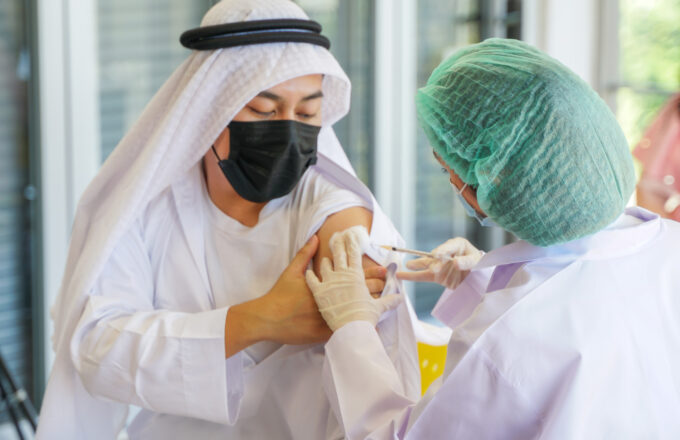
Embarking on the spiritual journey of Hajj is a profound milestone for Muslims, but navigating the dense crowds of millions requires rigorous attention to personal health and preventative care. Preparing your body is just as vital as preparing your soul, and understanding the required hajj vaccines is the first step toward a safe pilgrimage. This comprehensive guide details the mandatory and recommended immunizations, from the crucial meningitis vaccine to regional requirements like yellow fever, equipping you with the latest health directives and medical insights so you can focus entirely on your sacred rites without the burden of preventable illness.
Understanding the Mandates: Required Vaccinations for Hajj
The Saudi Ministry of Health updates its vaccination requirements annually to protect the millions of pilgrims gathering in Mecca and Medina. Compliance is not optional. Failing to provide the correct documentation will prevent you from entering the country.
Meningococcal Meningitis: The Foremost Requirement
The meningitis vaccine is universally mandatory for all adult and child pilgrims traveling to Saudi Arabia.
Why it’s Crucial: Understanding the Risk
Meningococcal disease spreads rapidly through respiratory droplets in crowded environments. The dense gathering of people from over 180 countries creates an ideal environment for the rapid transmission of this potentially fatal bacterial infection. A recent 2024 study published by the National Institutes of Health noted that the meningococcal ACWY vaccination rate was as low as 79% among international pilgrims, highlighting a critical gap in compliance that health authorities are working hard to close.
Types of Meningitis Vaccines and Their Efficacy
Pilgrims must receive the quadrivalent meningococcal vaccine (MenACWY), which protects against four strains of the bacteria. Health authorities accept both polysaccharide and conjugate vaccines. The conjugate vaccine is generally preferred because it provides longer-lasting immunity and reduces the carriage of bacteria in the throat.
Latest Recommendations and Data
The Saudi Ministry of Health requires that pilgrims receive this vaccination at least 10 days before their arrival. Depending on the specific type of vaccine administered, the certificate of vaccination remains valid for three to five years. You must carry the official vaccination certificate with you at all times during your travel.
Yellow Fever: A Regional Imperative
While not universally required for all travelers, the yellow fever vaccine is strictly enforced for individuals arriving from specific regions.
Geographical Requirements and Health Declarations
If you are traveling from or transiting for more than 12 hours through a country where yellow fever is endemic (primarily regions in Sub-Saharan Africa and tropical South America), you must present a valid yellow fever vaccination certificate. The Saudi authorities monitor compliance rigorously at all points of entry to prevent the introduction of the virus by infected mosquitoes.
Understanding the Yellow Fever Vaccine
The yellow fever vaccine is a live, weakened viral vaccine. It provides lifelong protection for most people, but the certificate becomes valid 10 days after administration. Pilgrims must plan accordingly to ensure their documents are valid upon arrival.
Polio: Eradication Efforts and Hajj Pilgrims
To support global polio eradication efforts, Saudi Arabia mandates polio vaccination for travelers arriving from countries where wild poliovirus is still circulating or where there are active outbreaks of circulating vaccine-derived poliovirus. Travelers from countries like Afghanistan, Pakistan, and specific African nations must receive a dose of the oral polio vaccine (OPV) or inactivated polio vaccine (IPV) at least four weeks before departure, regardless of their age or previous immunization history.
Beyond the Mandatory: Recommended Vaccinations for a Safer Hajj
While the Saudi government mandates certain hajj vaccines, medical professionals strongly encourage several additional immunizations to protect against common illnesses that frequently disrupt the pilgrimage.
Seasonal Influenza: Protecting Against Common Illnesses
Respiratory illnesses are incredibly common during the Hajj season due to close physical proximity.
The Importance of Annual Flu Shots
According to data published in the Annals of Global Health, Upper Respiratory Tract Infections (URTIs) remain among the most prevalent health issues during Hajj. The flu virus mutates every year, making the annual seasonal influenza vaccine a vital defense mechanism.
Specific Strains and Pilgrim Vulnerability
The Saudi Ministry of Health strongly advises all pilgrims, particularly those over the age of 65 and individuals with chronic health conditions, to receive the most current seasonal influenza vaccine before their departure.
Pneumococcal Disease: Safeguarding Respiratory Health
Pneumococcal disease can cause severe pneumonia, meningitis, and bloodstream infections.
Who Should Consider It
This vaccine is highly recommended for adults over 65, individuals with chronic heart, lung, liver, or kidney disease, and those with weakened immune systems. A severe respiratory infection can easily derail the physical stamina required to complete Hajj rituals.
Vaccine Types and Benefits
There are two main types of pneumococcal vaccines available: PCV13 and PPSV23. Your healthcare provider will determine which vaccine or combination of vaccines is appropriate based on your age and medical history.
Hepatitis A and B: Preventing Food and Waterborne Infections
Maintaining sanitary conditions for millions of people is a monumental logistical challenge.
Transmission Routes and Risk Factors During Hajj
Hepatitis A spreads through contaminated food and water, which is a risk when consuming meals from varied sources during travel. Hepatitis B spreads through blood and bodily fluids. During Hajj, the risk of Hepatitis B increases significantly during the ritual shaving of the head, especially if unlicensed barbers use unsterilized blades.
Vaccination Schedules and Protection
The Hepatitis A and B vaccines are often administered as a combined series. Because the series requires multiple doses over several months, pilgrims should consult their doctors well in advance of their travel dates.
Tetanus, Diphtheria, and Pertussis (Tdap): Essential Booster
Many adults neglect their routine booster shots, leaving them vulnerable to preventable diseases.
Why a Tdap Booster is Important for Adults
The Tdap vaccine protects against tetanus, diphtheria, and pertussis (whooping cough). Pertussis is highly contagious and causes severe coughing fits. Since immunity from childhood vaccinations wanes over time, adults should receive a booster every ten years. Minor cuts or scrapes during the crowded rituals also make tetanus protection essential.
Measles, Mumps, and Rubella (MMR): Ensuring Full Immunity
Measles is highly contagious and remains endemic in many parts of the world.
Verifying Vaccination Status
Adults born after 1957 should ensure they have received two doses of the MMR vaccine. If you are unsure of your immunity status, a simple blood test can confirm it, or your doctor may recommend receiving a booster dose.
Navigating the Logistics: Before, During, and After Hajj
Preparing for Hajj requires meticulous planning beyond simply booking a flight and purchasing Ihram garments.
Pre-Hajj Medical Consultation and Planning
Schedule a visit with a travel medicine specialist or your primary care physician at least four to six weeks before your departure.
Tailoring Vaccination Schedules
Some vaccines require weeks to build full immunity, and live vaccines cannot always be administered simultaneously. A physician will help structure your timeline so that you receive the meningitis vaccine and other required shots safely.
Addressing Pre-existing Conditions
If you have diabetes, hypertension, or asthma, ensure you have a sufficient supply of medications for the entire trip. Carry them in your hand luggage with a doctor’s letter explaining your condition.
Health Precautions During the Pilgrimage
Vaccinations provide internal armor, but external precautions are equally necessary.
Hygiene Practices and Personal Protection
Wash your hands frequently with soap and water. When handwashing is not possible, use an alcohol-based hand sanitizer. Wear comfortable, supportive footwear to prevent blisters and foot injuries, which can easily become infected.
Managing Crowds and Respiratory Health
Wear a high-quality face mask in densely crowded areas, such as the Tawaf or during the stoning of the Jamarat. Masks significantly reduce the inhalation of airborne pathogens. Stay hydrated by drinking sealed, bottled water or Zamzam water from official dispensers.
Post-Hajj Health Monitoring
The incubation period for many diseases means you might not show symptoms until you return home. Monitor your health closely for up to two weeks after returning. If you develop a fever, persistent cough, or severe fatigue, seek medical attention immediately and inform your doctor about your recent travel to Saudi Arabia.
Specific Considerations for Different Pilgrim Groups
Health requirements are not one-size-fits-all. Certain demographics require specialized medical attention.
Elderly Pilgrims
Older adults face a natural decline in immune function. They must prioritize the influenza and pneumococcal vaccines. Furthermore, heat exhaustion is a severe threat for elderly pilgrims, making hydration and sun protection vital.
Pilgrims with Chronic Diseases
Individuals with asthma or chronic obstructive pulmonary disease (COPD) are at an elevated risk of severe respiratory complications. They should consult their physicians about adjusting their medication dosages to handle the physical exertion and poor air quality often experienced during the pilgrimage.
Pregnant Women and Young Children
Pregnant women should avoid live vaccines like the yellow fever or MMR vaccines unless the risk of exposure is exceptionally high. They must consult their obstetricians regarding the safety of the journey. Children require tailored vaccination schedules to ensure they meet the Saudi Ministry of Health requirements without compromising their developing immune systems.
The Broader Islamic Perspective on Health and Safety
Taking preventative medical measures is deeply rooted in Islamic theology. Seeking medical treatment and preventing illness is considered an act of worship and obedience to God.
Quranic Guidance on Preserving Life and Health
The Quran explicitly commands Muslims to protect their lives and avoid reckless endangerment.
“And do not throw yourselves with your own hands into destruction.” (Al-Baqarah 2:195)
This verse emphasizes the sanctity of human life.
“And spend in the way of Allah and do not throw [yourselves] with your [own] hands into destruction [by refraining].” (Quran 2:195).
Ignoring health protocols or refusing life-saving vaccines contradicts this fundamental Islamic principle.
The Sunnah and Prophetic Teachings on Prevention
Prophet Muhammad (peace be upon him) actively encouraged seeking medical treatment and establishing quarantines during outbreaks.
“There is no disease that Allah has sent down, except that He has also sent down its cure.” (Sahih al-Bukhari)
This Hadith validates the use of modern medicine.
“There is no disease that Allah has sent down, except that He has also sent down its cure.” (Sahih al-Bukhari).
Vaccines are a scientific manifestation of this cure, functioning as a preventative shield.
“If you hear of a plague in a land, do not enter it; and if it breaks out in a land where you are, do not leave it.” (Sahih al-Bukhari)
The Prophet established the concept of disease control centuries ago.
“If you hear of a plague in a land, do not enter it; and if it breaks out in a land where you are, do not leave it.” (Sahih al-Bukhari).
Complying with international travel health guidelines is a direct continuation of this prophetic wisdom.
A Healthy Hajj, A Fulfilled Spiritual Journey
Completing Hajj is a physically demanding endeavor that requires immense stamina and focus. By securing the required hajj vaccines, understanding the importance of the meningitis vaccine, and taking proactive steps to safeguard your health, you honor the sacredness of the pilgrimage. Prevention empowers you to dedicate your full energy to prayer, reflection, and spiritual growth. Consult your healthcare provider today, organize your immunization records, and prepare your body to undertake the journey of a lifetime.