
Essential Saudi Etiquette for Pilgrims: A Guide
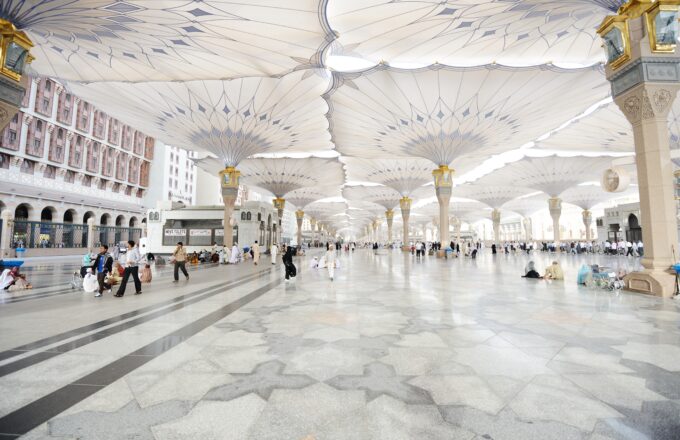
With over 15 million Umrah performers visiting Saudi Arabia in the first quarter of 2025 alone, understanding local Saudi etiquette and proper pilgrim conduct is vital for ensuring a spiritually fulfilling and respectful journey. Navigating a foreign country while focusing on sacred rituals requires a deep awareness of both cultural norms and specific religious guidelines. This comprehensive guide provides practical cultural tips to help you respectfully engage with local traditions, interact harmoniously with fellow believers, and fully immerse yourself in the spiritual atmosphere of the Holy Cities without unintentionally offending local sensibilities.
General Saudi Etiquette and Cultural Norms
Modesty and Appropriateness in Dress
Dressing modestly is a cornerstone of Saudi etiquette for all visitors. Men should avoid wearing shorts or sleeveless shirts in public spaces outside the state of Ihram. Women are encouraged to wear loose-fitting clothing that covers their shoulders and knees. While the abaya is no longer legally mandatory for foreign female tourists in general public spaces, wearing one remains highly recommended and culturally appreciated, especially in the Holy Cities of Makkah and Madinah where strict modesty is legally and religiously enforced.
Greetings and Communication
Saudis place a high value on polite and extended greetings. The standard greeting is the Islamic salutation, “Assalaamu Alaikum” (peace be upon you), accompanied by a warm handshake between members of the same sex. Respecting personal space is important. Men should wait for a Saudi woman to initiate a greeting; if she does not offer her hand, a polite nod of the head is the appropriate acknowledgment. Direct physical contact between unrelated men and women in public is culturally inappropriate and should be strictly avoided.
Respecting Public Behavior Guidelines
Saudi Arabia strictly enforces Public Decency Laws designed to maintain respect in communal spaces. Violations carry significant financial penalties. For instance, authorities can issue fines of up to SAR 6,000 for indecent behavior and SAR 2,000 for unauthorized photography. Always ask for explicit permission before taking pictures of local residents. Public displays of affection are prohibited, and you should always show deference to the elderly by offering them seats and allowing them to proceed first in lines.
Traditional Dining Etiquette
Hospitality is deeply embedded in Saudi culture. If invited to share a meal, remember to always use your right hand for eating, passing dishes, and accepting drinks, as the left hand is traditionally considered unclean. Guests often sit on the floor around a shared central platter. Follow the lead of your host, wait for the eldest person to begin eating, and try to leave a small amount of food on your plate to signal that your host has provided abundantly.
Specific Etiquette for Religious Sites
Proper Conduct in Mosques
Entering the Masjid al-Haram in Makkah and Masjid an-Nabawi in Madinah requires absolute humility and adherence to strict protocols. Always enter with your right foot and recite the appropriate supplication. Maintain a state of ritual purity (Wudu). Keep your voice low, avoid engaging in worldly conversations, and ensure your mobile phone is silenced. When removing your footwear, place them securely in designated racks or carry them in a clean bag to maintain the cleanliness of the prayer areas.
Showing Respect for the Kaaba and Sacred Areas
The Kaaba is the focal point of the Islamic faith. When performing Tawaf, move with the flow of the crowd rather than pushing against it. Avoid crossing directly in front of someone who is actively praying. If you are resting in the Haram, never stretch your legs so that your feet point directly toward the Kaaba, as this is considered highly disrespectful. Maintain a constant state of reverence, remembering the immense spiritual significance of your location.
Photography Regulations in Religious Sites
While capturing memories is a natural desire, photography in the Holy Mosques must be managed with extreme sensitivity. Security personnel strictly enforce rules against using professional cameras or tripods. Taking quick selfies with a smartphone is generally tolerated, but you must avoid blocking pathways or interrupting the worship of others. Do not take photos of people praying without their consent, and refrain from treating the sacred precincts like a tourist attraction.
Practical Tips for Pilgrim Conduct
Managing Crowds and Maintaining Patience
The sheer volume of people during peak seasons can be overwhelming. Crowd management requires immense patience and situational awareness. Always move deliberately, follow the directions of the security personnel, and avoid sudden stops in high-traffic areas. If you accidentally bump into someone, offer a swift and polite apology. Maintaining a calm demeanor prevents minor accidents from escalating into stressful situations.
Interaction with Authorities and Local Residents
Saudi authorities, including police and Haram security, work tirelessly to manage millions of visitors safely. Always follow their instructions immediately and without argument. If you need directions or assistance, approach them politely. When interacting with local residents, a smile and a few basic words in Arabic, such as “Shukran” (thank you), go a long way in building goodwill and reflecting positive pilgrim conduct.
Environmental Responsibility
Islam places a strong emphasis on cleanliness. With the government actively promoting sustainable Hajj initiatives, pilgrims have a religious duty to protect the environment. Dispose of all trash in designated bins, minimize your use of single-use plastics, and avoid wasting water during ablution. Leaving a space cleaner than you found it is a tangible reflection of your faith and respect for the host country.
Understanding and Respecting Islamic Values
The Importance of Intention
Every action during your pilgrimage should be rooted in a pure intention (Niyyah). You are traveling solely to seek the pleasure of Allah. Keeping this intention at the forefront of your mind helps you overcome physical exhaustion and prevents you from becoming frustrated by logistical challenges. A pure intention transforms ordinary patience into an act of worship.
Practicing Patience and Gratitude
The physical demands of pilgrimage will test your endurance. The Islamic concepts of Sabr (patience) and Shukr (gratitude) are vital tools. When faced with delayed transport or long lines, choose patience over anger. Be grateful for the opportunity to perform this sacred journey, remembering that millions of Muslims long for the chance to visit these holy sites.
Embracing Brotherhood and Unity
Pilgrimage gathers Muslims from every corner of the globe, creating a profound visual representation of unity. Treat every fellow pilgrim as a brother or sister in faith. Offer help to the elderly, share your water, and make space for others in the prayer lines. This profound sense of community is the true essence of the Hajj and Umrah experience.
Hadith and Quranic Verses on Conduct
Inspirational Verses on Proper Behavior
The Quran provides explicit instructions on how to behave during the sacred journey. Believers are commanded to maintain absolute purity in their actions and speech.
“Whoever sets out to observe Hajj shall refrain from sexual intercourse, misconduct, and arguments throughout Hajj. Whatever good you do, Allah is fully aware thereof.” — (Surah Al-Baqarah, 2:197)
This verse serves as a foundational rule for pilgrim conduct, reminding believers that spiritual success depends heavily on controlling one’s temper and avoiding disputes.
Guidance on the Spiritual Journey
The sayings of Prophet Muhammad (peace be upon him) offer practical guidance on interacting with others and maintaining resilience during difficult moments.
“A Muslim is a brother of another Muslim. He does not oppress him, nor does he leave him at the mercy of others.” — (Sahih Muslim, 2564)
“No one is given a gift that is better and more comprehensive than patience.” — (Sahih Bukhari, 6470)
Reflecting on these texts helps reinforce the mindset required to navigate the crowds and challenges of the Holy Cities with grace and dignity.
Navigating Saudi Society: Modernity Meets Tradition
Use of Technology and Social Media
Saudi Arabia is highly digitally connected, and free Wi-Fi is widely available in hotels and malls. However, you should use social media responsibly. Avoid live-streaming people without their consent or broadcasting from highly congested areas where it might pose a safety hazard. Use technology to stay connected with your group, navigate the city via GPS maps, and access official government applications like Nusuk.
Shopping and Bargaining Etiquette
Visiting the local souks in Makkah and Madinah to purchase gifts like dates, prayer mats, and perfume is a traditional part of the journey. Bargaining is expected in these markets, but it should remain friendly and respectful. A common strategy recommended by local experts is to offer about 40% of the initial asking price and negotiate from there. If you cannot reach a fair agreement, politely say “no thank you” and walk away. Fixed-price modern malls do not allow bargaining.
Transportation and Local Customs
Public transportation in Saudi Arabia has improved dramatically, with the Haramain High-Speed Railway connecting Makkah, Madinah, and Jeddah. When using buses or taxis, negotiate the fare before starting your journey if the vehicle does not use a meter. Men should avoid sitting next to unaccompanied female passengers out of respect for cultural norms regarding gender segregation.
Resources and Further Reading
Official Guidelines
To ensure a smooth journey, always refer to the official Saudi Ministry of Hajj and Umrah resources. Downloading the Nusuk app is essential for booking Umrah slots and accessing the Rawdah in Madinah. The Visit Saudi official portal also provides up-to-date information on visa regulations, transportation, and emergency contacts.
Connecting with Authentic Services
If you are unable to perform the pilgrimage yourself due to illness, or wish to fulfill the obligation for a deceased loved one, understanding the rules of proxy pilgrimage is helpful. Services like Your Hajj Badal offer dedicated, personalized proxy Hajj arrangements ensuring all Islamic guidelines are met with sincerity and accountability. Educating yourself on these options provides peace of mind for fulfilling sacred duties.
A Meaningful Pilgrimage Experience
Adhering to correct saudi etiquette is a fundamental part of the modern pilgrimage experience. By dressing modestly, respecting local laws, and demonstrating patience in crowded spaces, you honor the host country and elevate the spiritual quality of your journey. Small gestures of kindness and an awareness of cultural boundaries prevent friction and foster an environment of mutual respect.
Focus on your spiritual goals while remaining highly mindful of your surroundings. By integrating these cultural tips into your daily actions, you will navigate Saudi Arabia smoothly, allowing you to return home with accepted prayers, fond memories, and a deeper connection to the global Muslim community.