
Hajj al-Tamattu Step-by-Step Guide: Requirements, Rituals & Hajj Badal
Hajj al-Tamattu is a unique form of pilgrimage that allows Muslims to perform Hajj and Umrah in a single journey, fulfilling their religious obligations with profound spiritual significance. This comprehensive guide will walk you through the essential requirements, rituals, and steps involved in performing Hajj al-Tamattu correctly. Many pilgrims seek clarity on how to navigate the complexities of this sacred journey, and understanding the process can enhance their spiritual experience. This article will cover the prerequisites for Hajj al-Tamattu, the step-by-step rituals, the concept of Hajj Badal, and how to securely book a Shariah-compliant proxy Hajj service.
What Are the Essential Requirements for Performing Hajj al-Tamattu?
To perform Hajj al-Tamattu, certain essential requirements must be met. These include spiritual readiness, physical capability, and adherence to Islamic guidelines. Pilgrims must be of sound mind and body, ensuring they can undertake the physical demands of the pilgrimage. Additionally, it is crucial to have the financial means to support the journey, including travel, accommodation, and other expenses.
Which Rituals Constitute Hajj Tamattu and Their Significance?
Hajj al-Tamattu consists of several key rituals that hold deep spiritual significance. These rituals include:
- Ihram: The sacred state of purity and intention, marking the beginning of the pilgrimage.
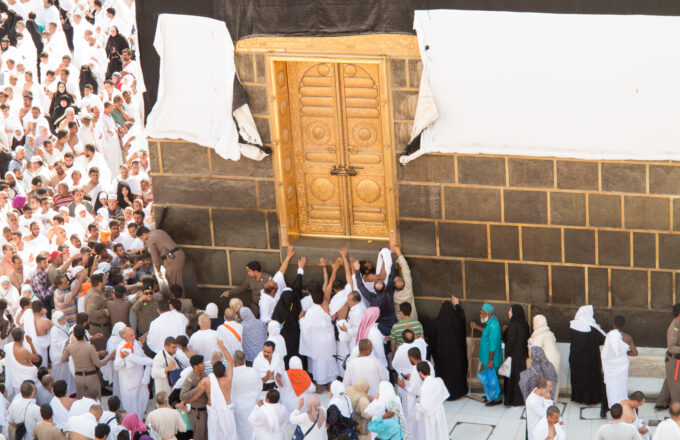
- Tawaf: Circumambulating the Kaaba seven times, symbolizing unity and devotion to Allah.
- Sa’i: Walking between the hills of Safa and Marwah, commemorating Hagar’s search for water for her son Ishmael.
- Qurbani: The act of sacrifice, representing obedience and gratitude to Allah.
Each of these rituals plays a vital role in the pilgrimage, allowing pilgrims to express their faith and devotion.
Further research delves into the specific rituals of Hajj al-Tamattu and their associated legal rulings, providing a deeper understanding of their importance.
Hajj Al-Tamattu: Rituals & Legal Rulings
This research aims to explain the three rituals of Hajj, namely Al-Ifrad, Al-Tamattu’ and the Qeraan, and the legal rulings that entail from them. Based on that, this study has concluded that Hajj according to the four imams revolves around one meaning, which is the intention of the Sacred House of God in the face of veneration, and that the singular Hajj does not result in only one circumambulation, which is the Ifaadah circumambulation, and no blood is required on it, unlike the one who performs Hajj and the one who does it.
How to Prepare for Ihram: Rules and Spiritual Readiness
Preparing for Ihram involves both physical and spiritual readiness. Pilgrims should ensure they are in good health and have the necessary Ihram clothing, which consists of two white, unstitched cloths for men and modest attire for women. Spiritually, it is essential to enter Ihram with a clear intention and a heart full of devotion. Engaging in prayers and seeking forgiveness can enhance the spiritual experience, setting a positive tone for the pilgrimage.
How to Perform Each Step of Hajj al-Tamattu Correctly?
Performing Hajj al-Tamattu involves a series of steps that must be followed meticulously to ensure compliance with Islamic teachings. Each step is designed to deepen the pilgrim’s connection with their faith.
What Are the Stepwise Rituals: Tawaf, Sa’i, and Sacrifice Explained?
The main rituals of Hajj al-Tamattu include:
- Tawaf: Pilgrims begin by performing Tawaf, circling the Kaaba seven times in a counter-clockwise direction. This act symbolizes the unity of believers in the worship of the One God.
- Sa’i: After Tawaf, pilgrims perform Sa’i, which involves walking back and forth between the hills of Safa and Marwah seven times. This ritual commemorates Hagar’s search for water and signifies perseverance in faith.
- Qurbani: Finally, pilgrims perform Qurbani, the sacrifice of an animal, which represents submission to Allah’s will and is a means of sharing blessings with the less fortunate.
These rituals are not only acts of worship but also opportunities for reflection and spiritual growth.
How to Maintain Shariah Compliance Throughout the Hajj Process
Maintaining Shariah compliance during Hajj is crucial for ensuring that the pilgrimage is valid and accepted. Key compliance steps include:
- Intention Setting: Pilgrims must enter the pilgrimage with a sincere intention to fulfill their religious obligations.
- Legal Permissions: Ensure that all necessary permissions and documentation are in place before embarking on the journey.
- Documentation Requirements: Keep all relevant documents, such as passports and visas, organized and accessible throughout the pilgrimage.
Adhering to these guidelines helps ensure that the pilgrimage is conducted in accordance with Islamic principles.
What Is Hajj Badal and How Does Proxy Hajj Fulfill Religious Duties?
Hajj Badal refers to the practice of performing Hajj on behalf of someone else, typically for those who are unable to undertake the pilgrimage due to health or other valid reasons. This practice holds significant spiritual value, allowing individuals to fulfill their religious duties even when they cannot perform Hajj themselves.
Who Can Perform Hajj Badal and What Are the Conditions?
Certain conditions must be met for Hajj Badal to be valid. These include:
- Criteria for Deceased Individuals: Hajj can be performed on behalf of deceased relatives, provided they had the intention to perform Hajj during their lifetime.
- Criteria for Living Individuals: Living individuals who are unable to perform Hajj due to health issues or other valid reasons can also have Hajj performed on their behalf.
- Proxy Requirements: The person performing Hajj Badal must be a capable and trustworthy individual who can fulfill the pilgrimage’s requirements.
Understanding these conditions ensures that Hajj Badal is conducted appropriately and fulfills its intended purpose.
How to Book a Shariah-Compliant Proxy Hajj Service Securely
Booking a Shariah-compliant proxy Hajj service requires careful consideration to ensure that the service meets Islamic standards. Here are steps to follow:
- Research Providers: Look for reputable companies that specialize in Hajj Badal services, ensuring they have a solid track record.
- Verify Compliance: Confirm that the service provider adheres to Shariah principles and has the necessary certifications.
- Understand Payment Details: Be clear about the costs involved and ensure that payment methods are secure and transparent.
For those seeking reliable assistance, Your Hajj Badal offers comprehensive services to facilitate the Hajj Badal process, ensuring compliance with Islamic guidelines.
Where Can You Find Trusted Guidance and Support for Hajj al-Tamattu?
Finding reliable guidance and support is essential for a successful pilgrimage. Various resources can help pilgrims navigate the complexities of Hajj al-Tamattu.
What Educational Resources Explain Hajj Tamattu in Detail?
Several educational resources provide in-depth information about Hajj al-Tamattu, including:
- Books and Articles: Numerous publications detail the rituals and significance of Hajj al-Tamattu.
- Online Courses: Many organizations offer online courses that cover the essentials of Hajj preparation and performance.
- Community Resources: Local mosques and Islamic centers often provide workshops and seminars to educate pilgrims.
How to Contact Experts for Personalized Hajj Badal Assistance
For personalized assistance, individuals can reach out to experts in the field. S M Nahid Hasan is available for consultations regarding Hajj Badal services. You can contact him via email at nahidedru@gmail.com or salam@yourhajjbadal.com for more information on how to proceed with Hajj Badal arrangements.