
Your Hajj Badal Timeline: Key Hajj Season Dates & Milestones
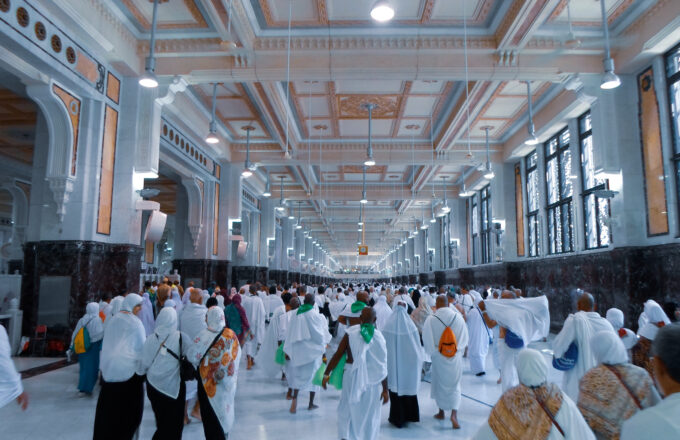
The Hajj pilgrimage is one of the most significant events in the Islamic calendar, drawing millions of Muslims from around the world to Mecca. Understanding the Hajj season timeline, including key dates and milestones, is essential for those planning to participate in this sacred journey. This article will provide a detailed overview of the Hajj season, including the Islamic calendar months that define the period, significant ritual days, and the process of proxy Hajj, known as Hajj Badal. Many individuals face challenges in organizing their pilgrimage, whether due to personal circumstances or the complexities of travel arrangements. This guide aims to clarify these aspects, ensuring that pilgrims are well-prepared for their spiritual journey. We will explore the key dates and milestones, the scheduling of Hajj Badal, and the necessary preparations for pilgrims.
What Are the Key Dates and Milestones in the Hajj Season?
The Hajj season is marked by several key dates that hold significant importance for pilgrims. Understanding these dates is crucial for anyone planning to undertake the pilgrimage.
- Dhul Hijjah: The 12th month of the Islamic calendar, which is when Hajj takes place.
- Arafat Day: The 9th of Dhul Hijjah, a day of standing, prayer, and seeking forgiveness, considered the pinnacle of the Hajj.
- Eid al-Adha: Celebrated on the 10th of Dhul Hijjah, marking the end of Hajj and commemorating the willingness of Ibrahim to sacrifice his son.
These dates are not only significant for the rituals performed but also for the spiritual preparation of the pilgrims.
Which Islamic Calendar Months Define the Hajj Period?
The Hajj period is primarily defined by the month of Dhul Hijjah, which is the last month of the Islamic lunar calendar. This month is crucial as it encompasses the days of Hajj, including the rituals performed during the pilgrimage. The significance of Dhul Hijjah lies in its association with the completion of the Hajj rites, which are obligatory for Muslims who are physically and financially able to undertake the journey.
What Are the Significant Ritual Days During Hajj?
During the Hajj, several significant ritual days are observed, each with its own unique practices and spiritual significance. The most notable days include:
- Arafat Day: Pilgrims gather at the plain of Arafat to pray and seek forgiveness, marking the climax of the Hajj.
- Eid al-Adha: Following Arafat Day, this festival involves the sacrifice of an animal, symbolizing Ibrahim’s devotion to God.
These days are integral to the Hajj experience, providing opportunities for reflection, prayer, and community.
How Is the Hajj Badal Proxy Pilgrimage Scheduled and Performed?
Hajj Badal is a specialized service that allows Muslims to perform Hajj on behalf of deceased or incapacitated loved ones. This process is structured to ensure that the rituals are conducted in accordance with Islamic principles.
The scheduling of Hajj Badal involves several steps, including registration and payment. A registration fee varies widely depending on the service provider, and the total cost can range from approximately $5,000 to $10,000, depending on various factors such as the provider and services included. This structured approach ensures that all necessary arrangements are made for the proxy pilgrimage.
How to Book a Shariah-Compliant Proxy Hajj ServiceWhat Steps Are Involved in Booking a Shariah-Compliant Proxy Hajj Service?
Booking a Shariah-compliant proxy Hajj service involves a series of steps to ensure that the pilgrimage is conducted according to Islamic guidelines. The process typically includes:
- Initial Discussion and Reservation: Engaging with a service provider to discuss the details and requirements.
- Final Payment and Preparation: Completing the payment process and preparing the necessary documentation.
- Visa and Nusuk Verification: Ensuring that all legal and religious requirements are met for the proxy pilgrim.
This structured approach helps maintain the integrity and sanctity of the Hajj experience for those being represented.
How Do Proxy Pilgrims Fulfill the Hajj Rituals on Behalf of Others?
Proxy pilgrims, or those performing Hajj Badal, fulfill the rituals on behalf of others by adhering to the same practices as regular pilgrims. This includes donning the Ihram, performing Tawaf around the Kaaba, and participating in the rituals of Arafat and Eid al-Adha. The eligibility of the proxy is crucial, as they must be of sound mind and body to perform the rituals correctly.
What Are the Shariah Compliance Guidelines for Hajj and Proxy Pilgrimage?
Shariah compliance is essential for both traditional and proxy Hajj. Key guidelines include:
- Intention (Niyyah): The proxy must have the intention to perform Hajj on behalf of the requester.
- Conditions for the Requester: The individual for whom Hajj is being performed must meet specific criteria, such as being deceased or unable to perform Hajj due to health issues.
These guidelines ensure that the spiritual and religious integrity of the pilgrimage is maintained.
Further research emphasizes the foundational role of Islamic law in governing all aspects of the Hajj, ensuring its spiritual and legal integrity.
Islamic Law & Hajj Rituals: Understanding Pilgrimage Guidelines
This study explores the integral role of Islamic law (Sharia) in the propagation and practice of Hajj worship in 2024, through the lens of Ushul Fiqh (the principles of Islamic jurisprudence). Hajj, as one of the Five Pillars of Islam, demands meticulous adherence to ritualistic and legal guidelines that are deeply rooted in Islamic law.
The Role of Islamic Law in the Dakwah of Hajj Worship 2024, M Adnan, 2024
How Does Your Hajj Badal Ensure Privacy, Security, and Religious Integrity?
Your Hajj Badal prioritizes the privacy and security of its clients by implementing strict measures to protect personal information. The service is designed to provide a personalized experience, ensuring that all aspects of the proxy pilgrimage are handled with care and respect. Verification processes are in place to maintain transparency and confidentiality, allowing families to feel secure in their decision to utilize Hajj Badal services.
How Can Pilgrims Prepare for the Hajj Season and Important Dates?
Preparation for the Hajj season is vital for ensuring a smooth pilgrimage experience. Key preparations include:
- Booking Arrangements: Securing travel and accommodation well in advance.
- Health Preparations: Ensuring vaccinations and health checks are completed prior to travel.
What Are the Essential Preparations Before the Hajj Season Begins?
Before the Hajj season begins, pilgrims should focus on several essential preparations:
- Travel Documentation: Ensure all necessary travel documents, including visas, are in order.
- Physical Readiness: Engage in physical training to handle the demands of the pilgrimage.
How to Track and Observe the Hajj Timeline Effectively?
Tracking the Hajj timeline can be accomplished through various methods, including:
- Using Islamic Calendars: Mark key dates on a calendar to stay informed.
- Setting Reminders: Utilize digital reminders to keep track of important rituals and preparations.
By following these steps, pilgrims can ensure they are well-prepared for the Hajj season and its significant dates.